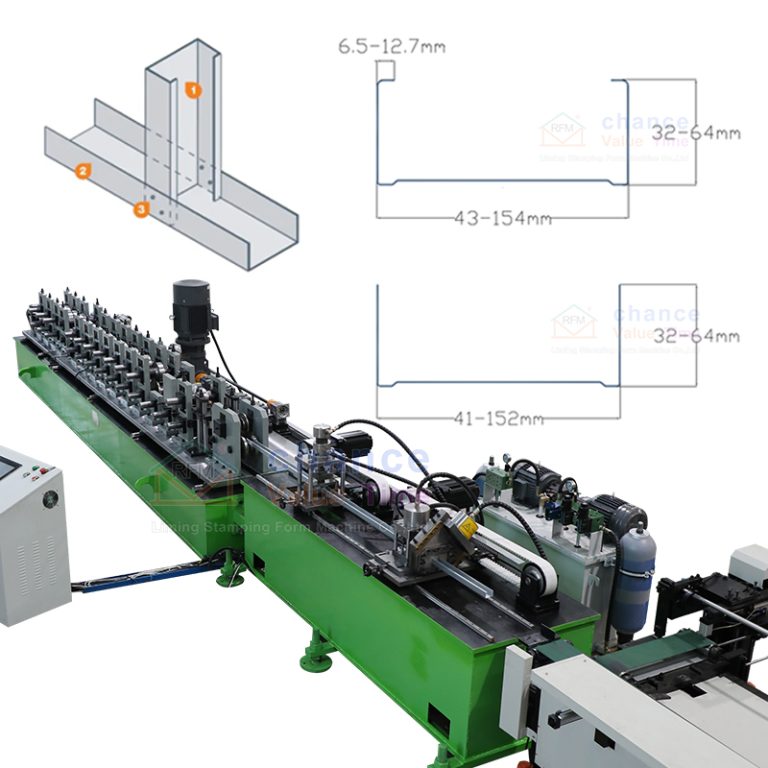
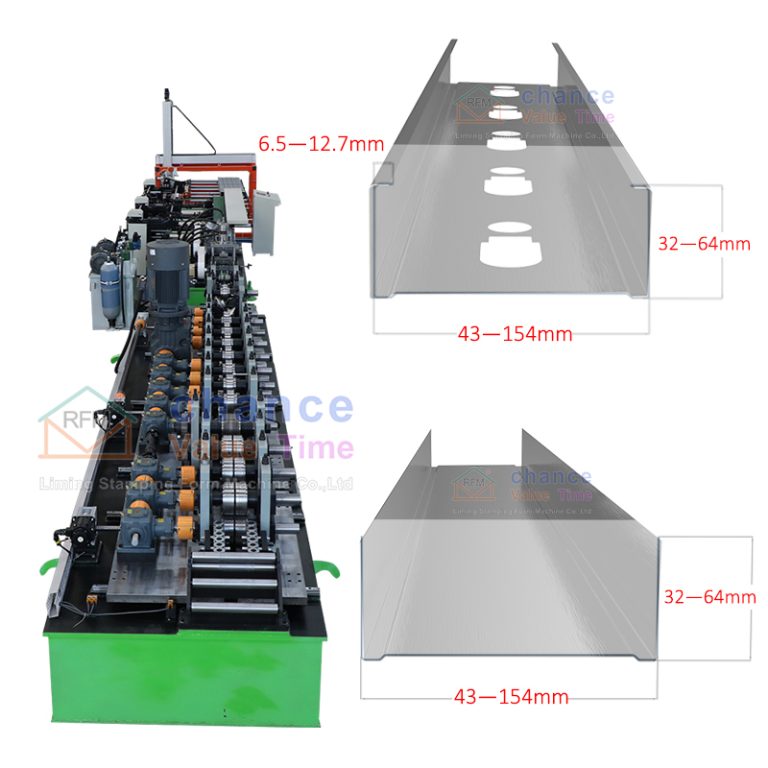
Overview of Stud and Track Roll Forming Machine
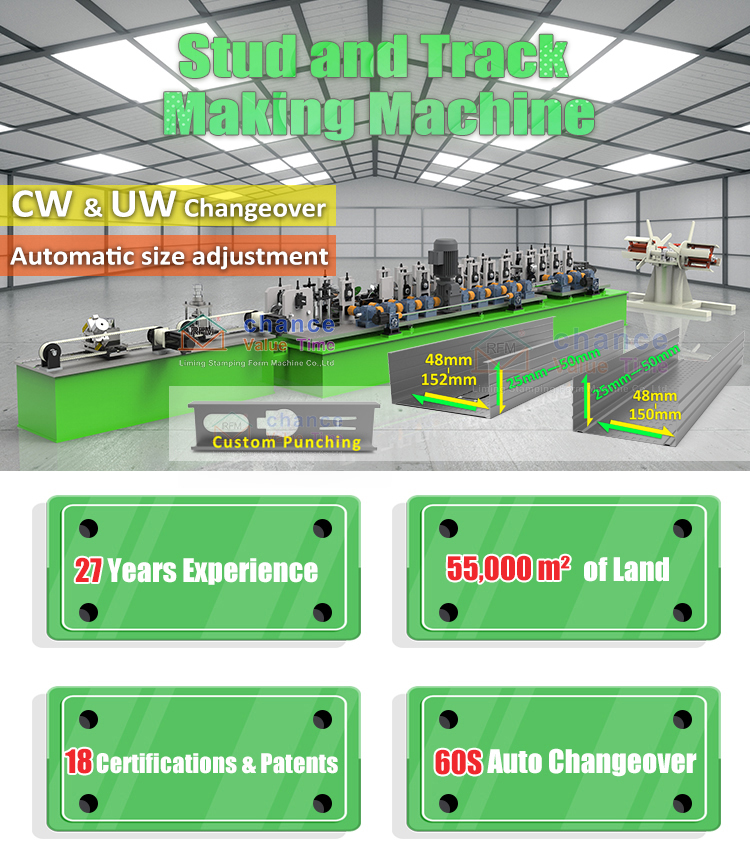
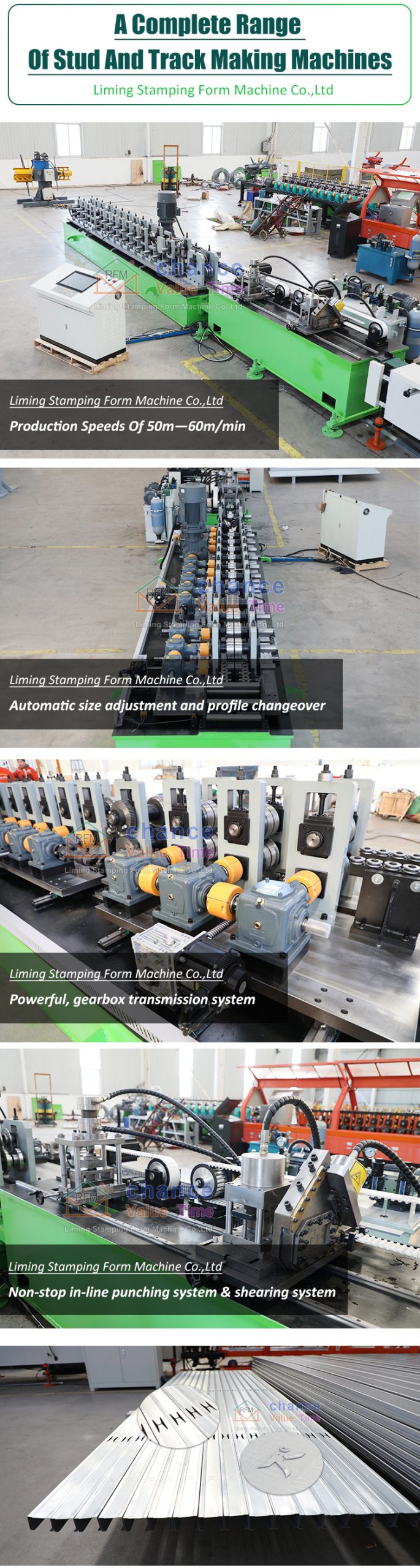
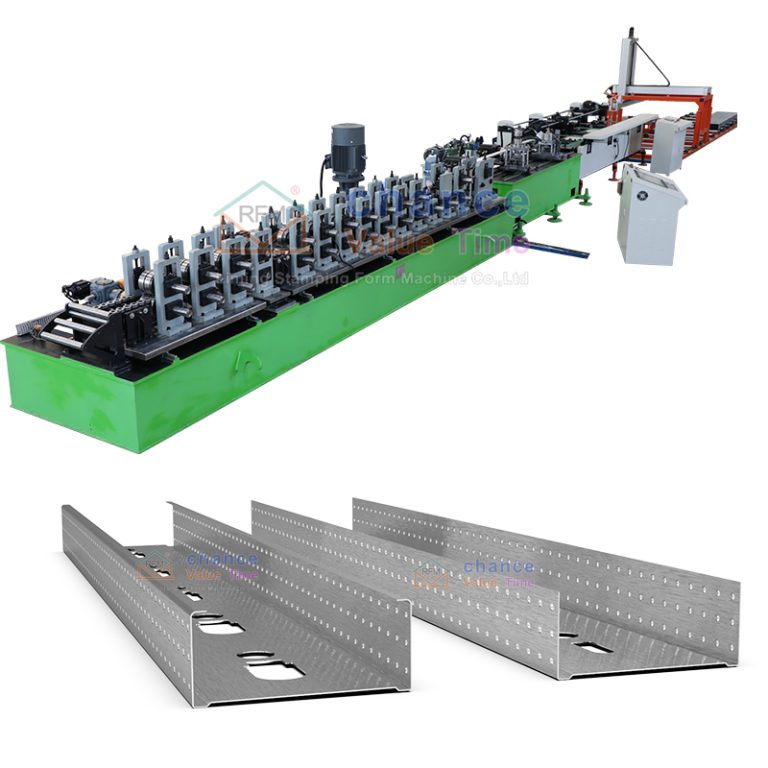
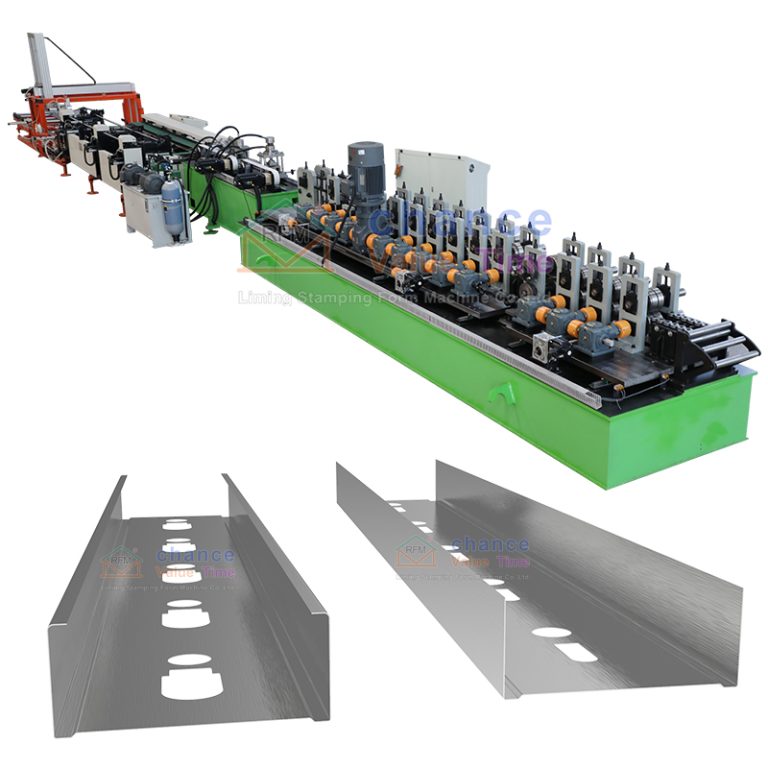
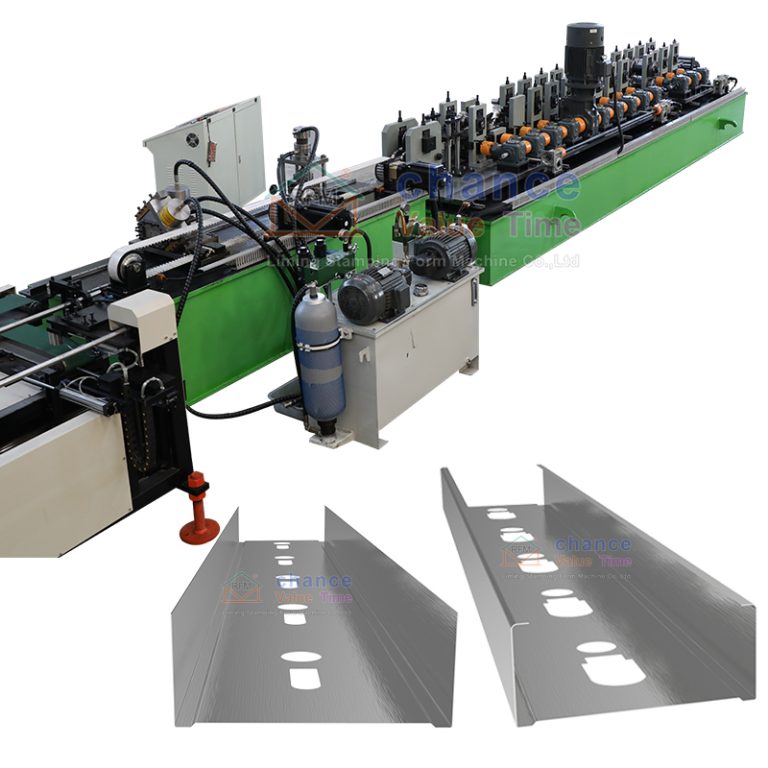
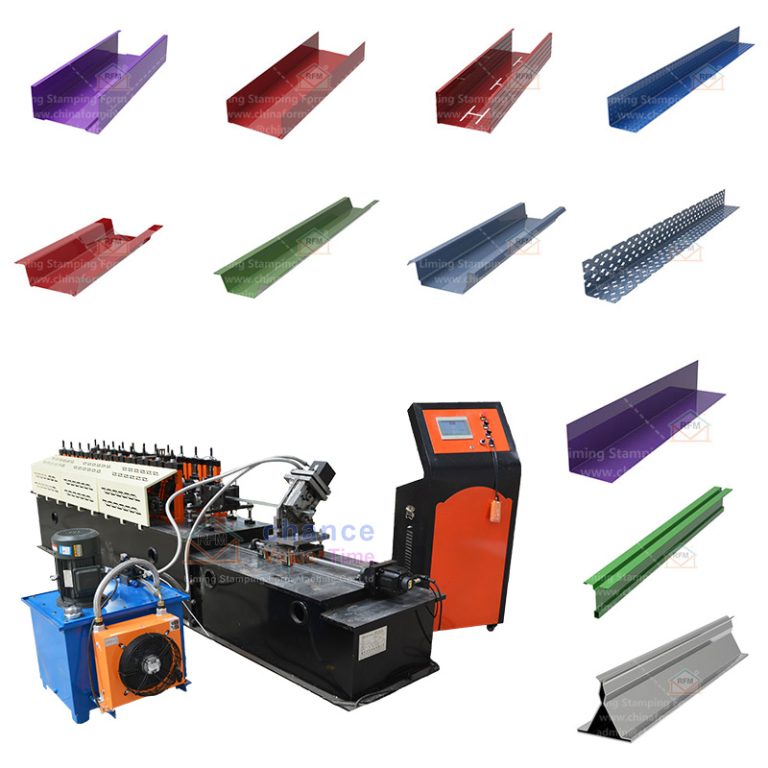
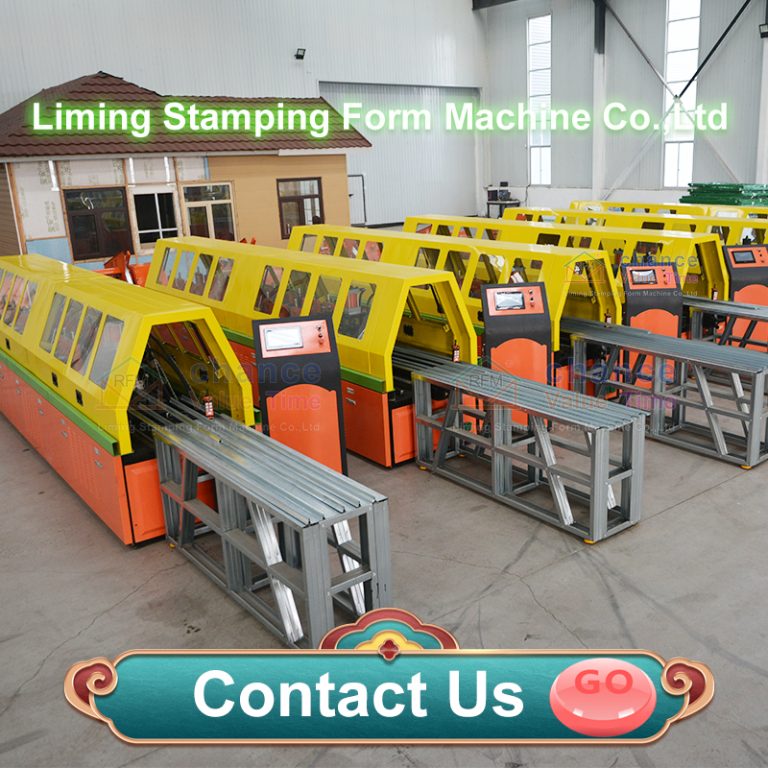
The stud and track roll forming machine is a specialized industrial device designed for the continuous production of metal studs, tracks, and other building components used in structural framing. Utilizing a high-precision roll forming process, the machine feeds metal coils (typically galvanized steel, aluminum, or stainless steel) through a series of adjustable rollers that gradually shape the material into the desired profile. Key features include automated feeding systems, CNC controls for precise adjustments, and high-speed output capabilities (up to 30–60 meters per minute). This machine is widely used in construction, HVAC, and roofing industries to produce lightweight yet durable components such as metal studs, tracks, angles, and channels.
Technical Specifications and Components
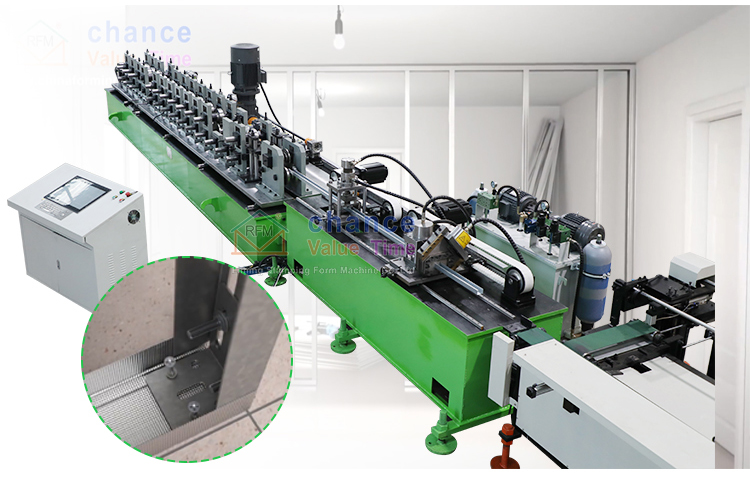
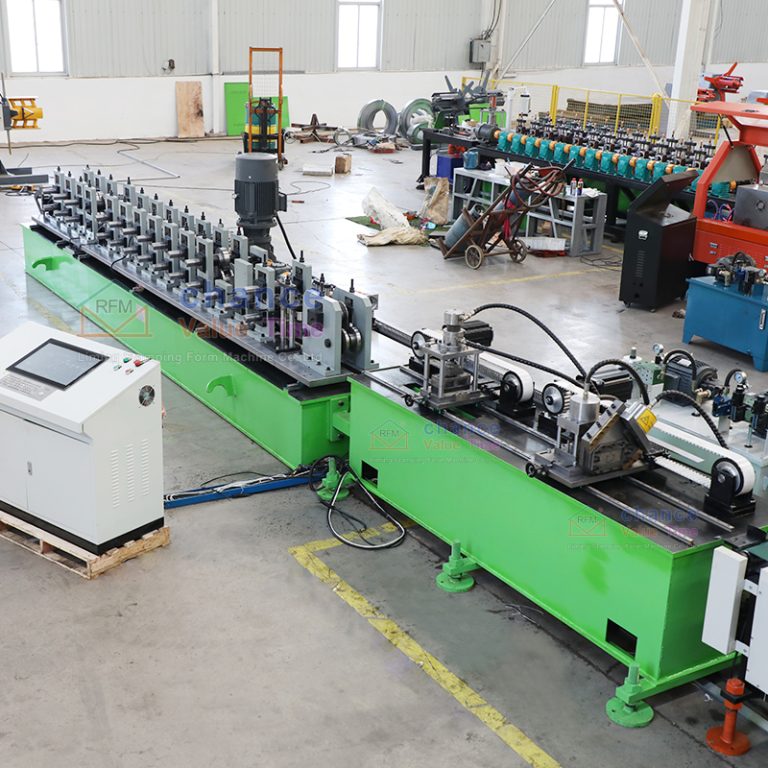
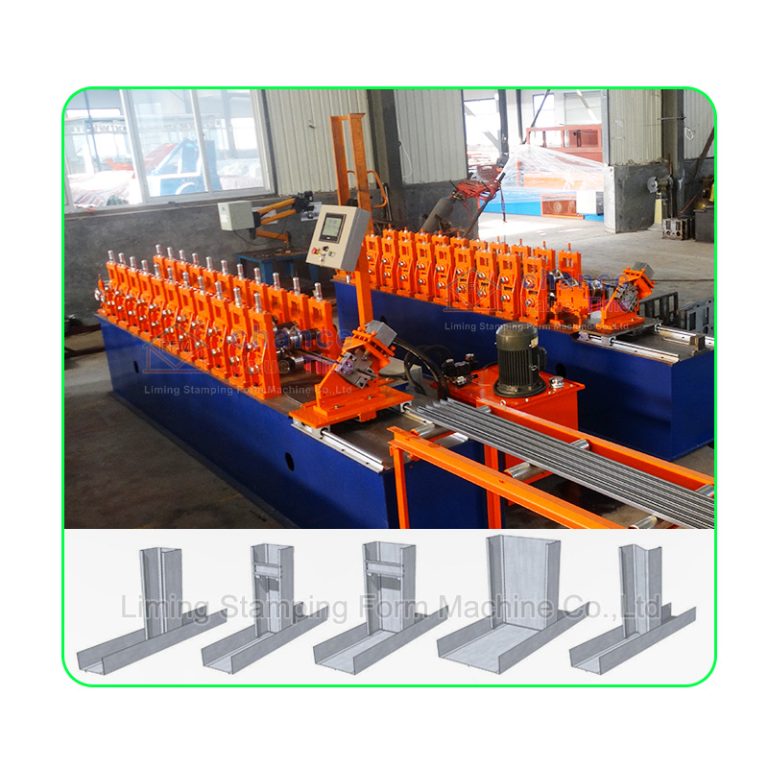
A stud and track roll forming machine is engineered with modular components to ensure flexibility and efficiency. The core system includes:
Uncoiler: Holds and feeds metal coils into the machine.
Pre-punching/Notching Station: Adds holes, slots, or notches for fastening.
Roll Forming Stations: Multiple roller dies that incrementally bend the metal into the final shape.
Cutting Unit: Hydraulic or servo-driven blade for precise length cutting.
Control Panel: Touchscreen interface for programming profiles, speed, and material thickness (typically 0.5–3.0 mm).
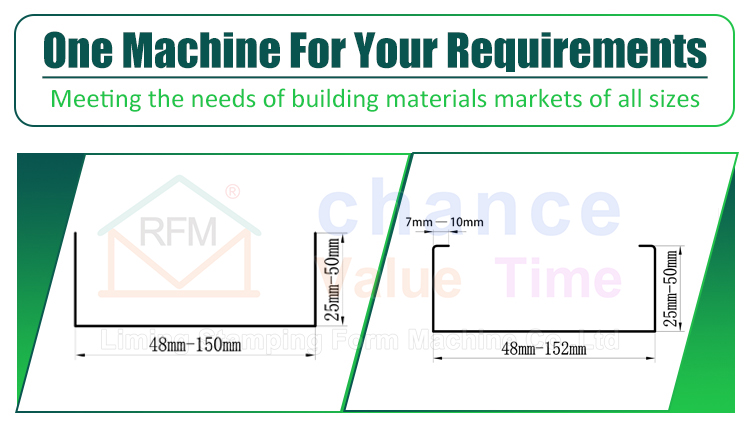
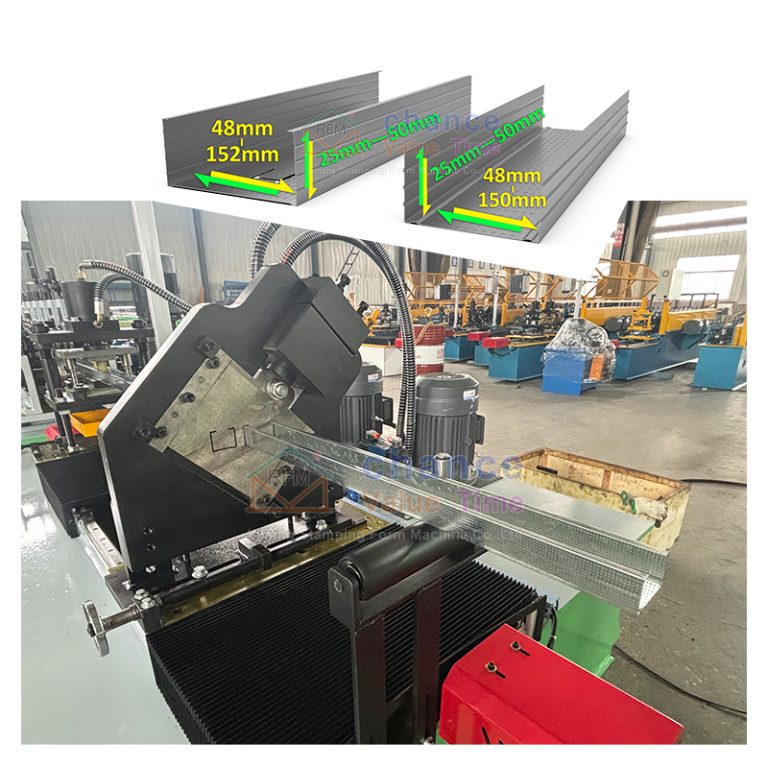
Advanced models integrate laser sensors for real-time alignment and thickness monitoring, ensuring consistent product quality. The machine supports profiles up to 200 mm in height and 150 mm in width, making it ideal for both standard and custom applications.
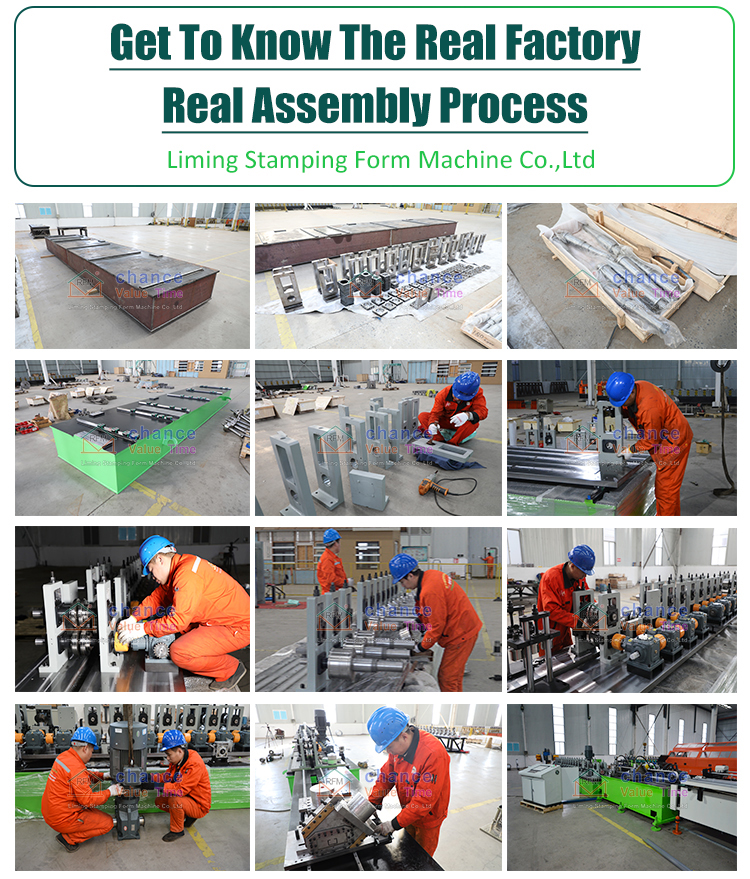
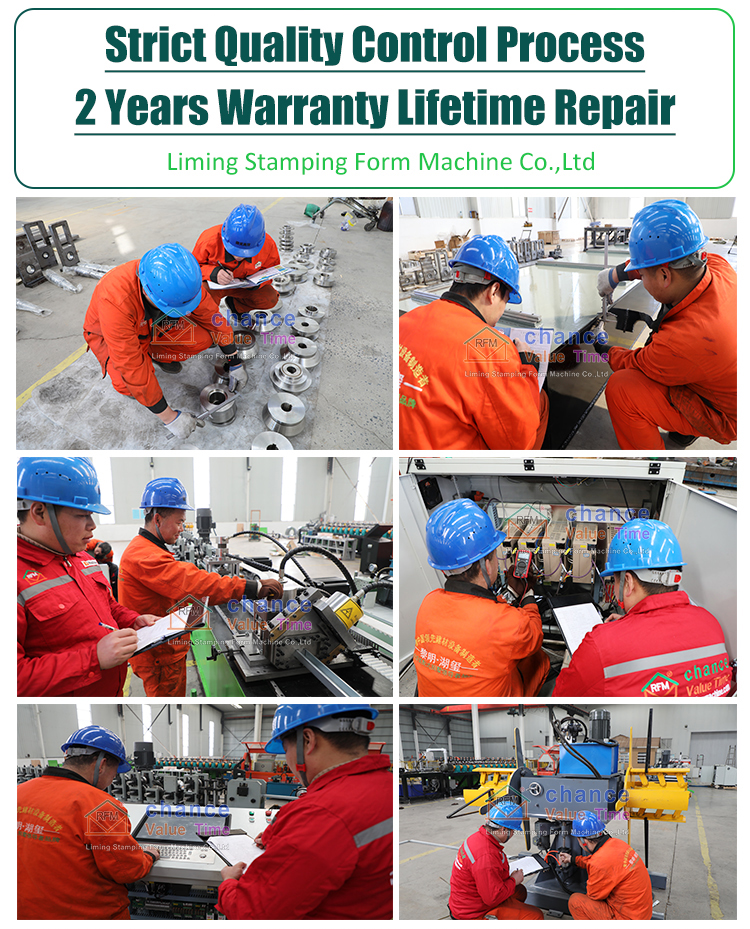
At here, it’s all about giving the clients the best quality products.