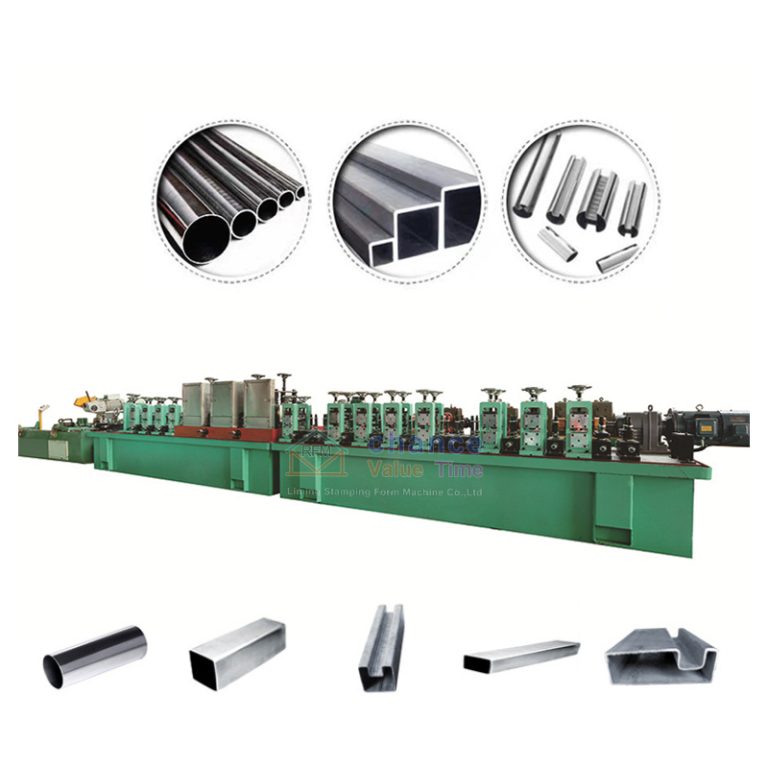
1.Brief introduction
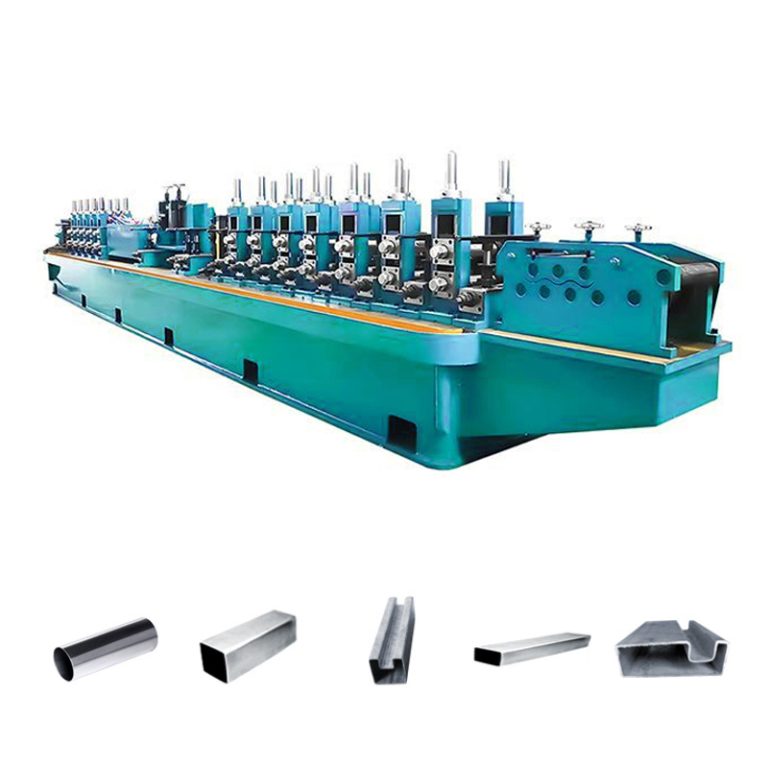
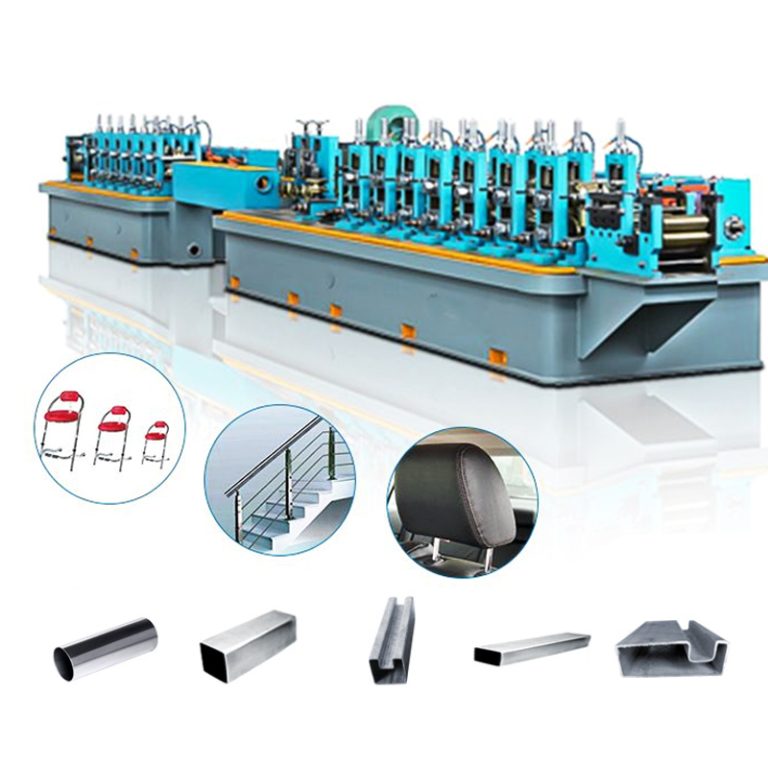
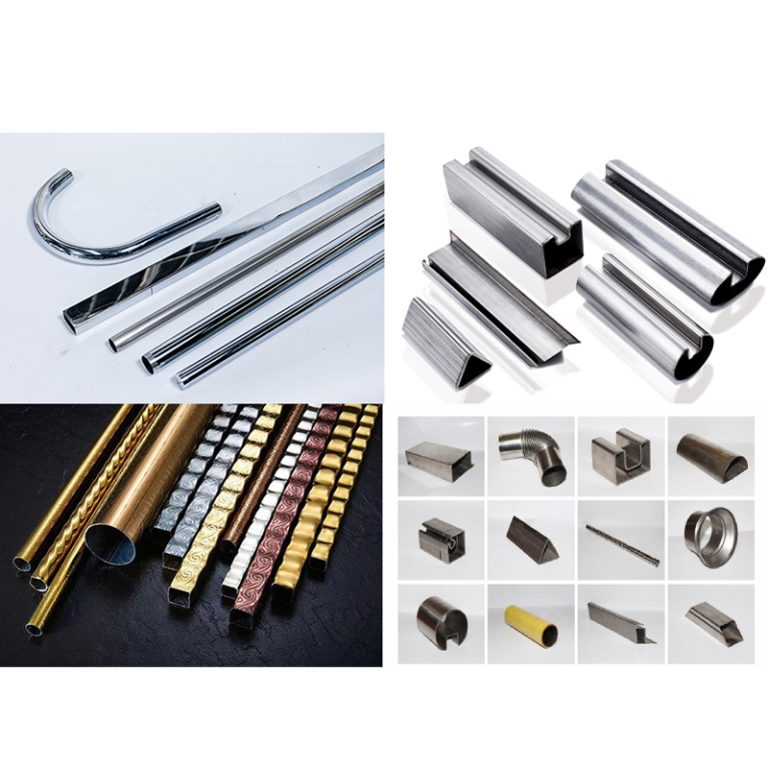
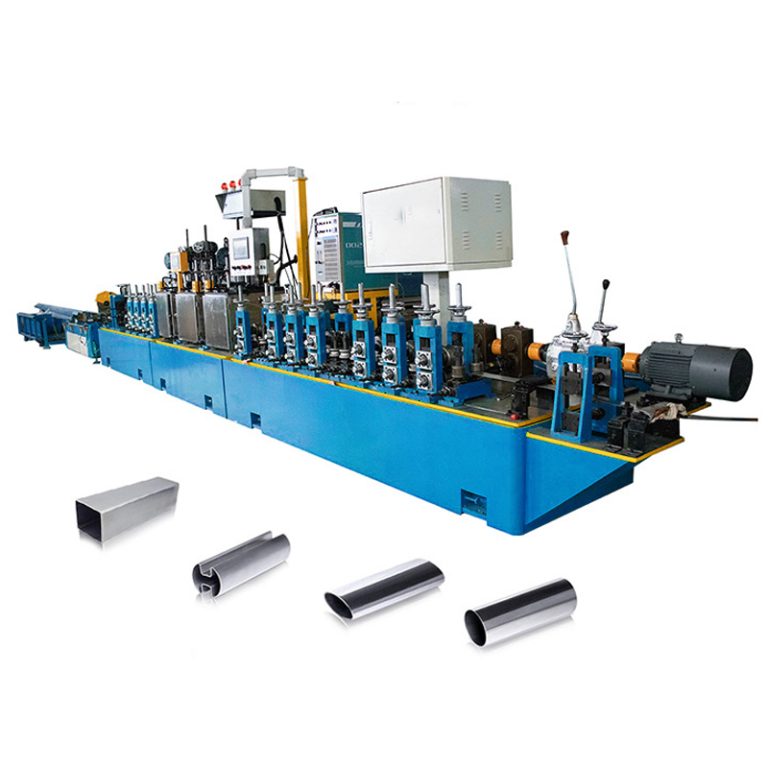
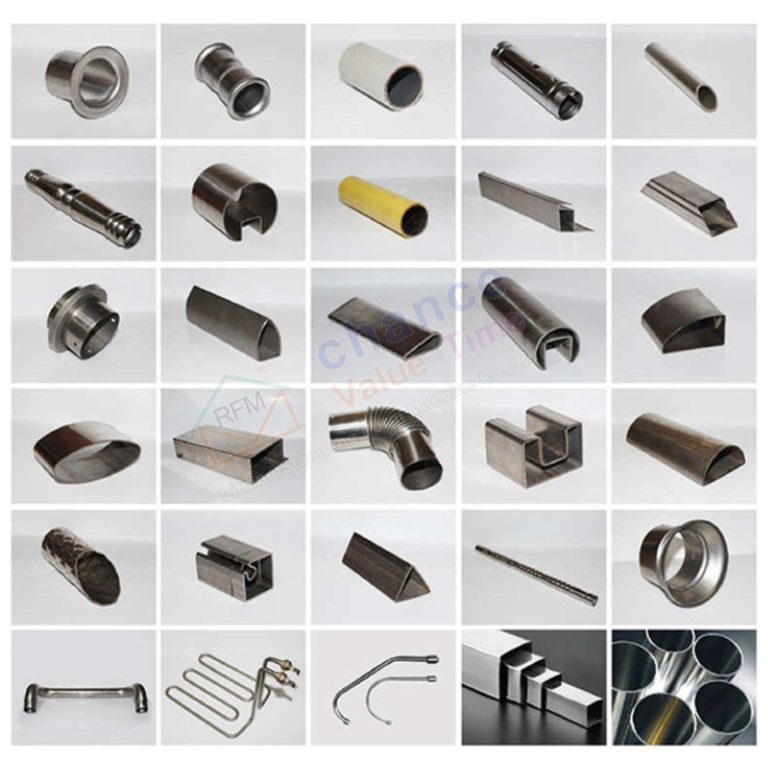
Steel Pipe Mill Machine is a device that uses the heat generated by high-frequency current to heat the edge of metal sheet to a molten state, and then forms it through extrusion welding. This Steel Pipe Mill Machine has the characteristics of fast forming speed, high welding quality, and low energy consumption, and is suitable for producing various specifications of welded pipes. Its advanced control system and automation greatly improve production efficiency and meet the needs of large-scale production.
2.Technical parameters
Processing materials: metal sheets such as carbon steel, stainless steel, aluminum, etc
- Processing thickness: usually 0.5mm-3.0mm
Processing speed: Depending on different models, it is generally between 30-100 meters per minute
- Molding accuracy: ± 0.2mm
Welding frequency: generally between 200-450kHz
Equipment power: Depending on the specific model, generally between 50-150 kilowatts
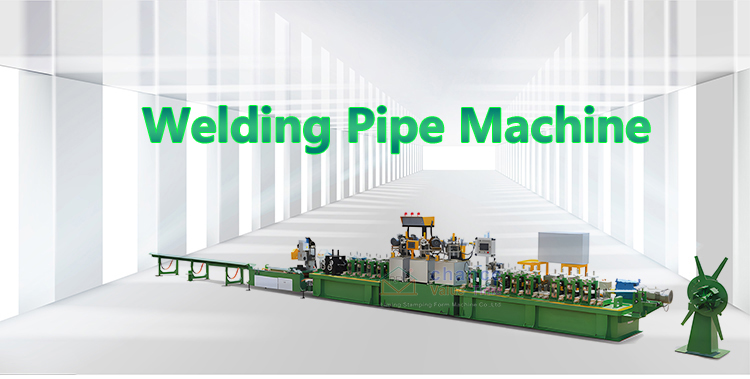
3. Composition module
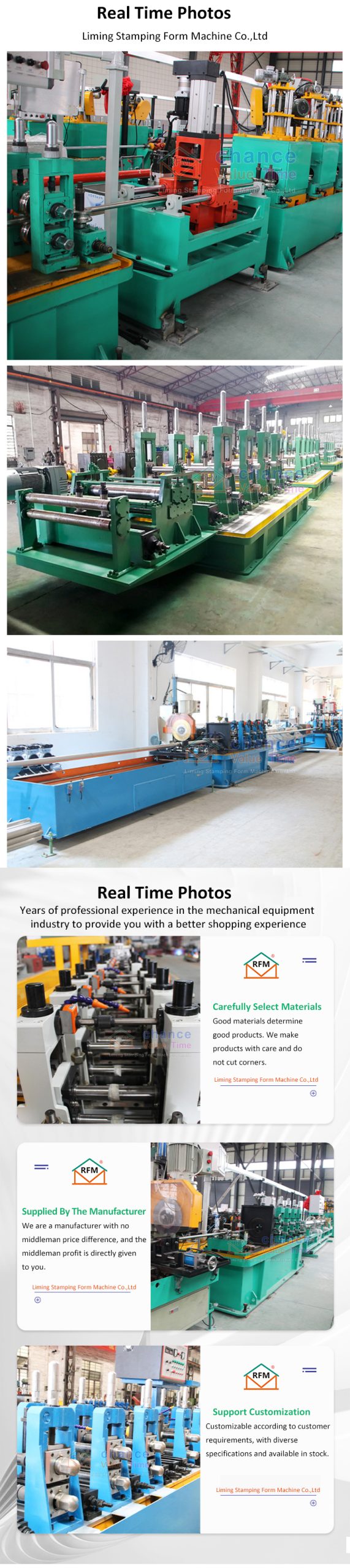
Feeding device: responsible for accurately and stably feeding raw materials into the forming unit.
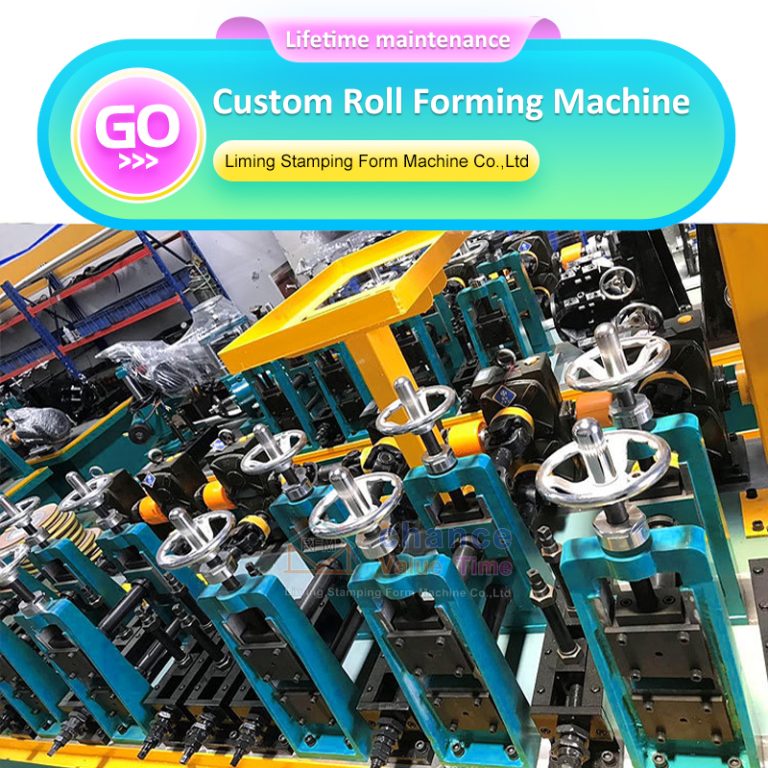
Forming unit: The core component is gradually formed by multiple rollers to ensure the shape and dimensional accuracy of the pipe material.
High frequency welding device: using high-frequency current to heat the edges of the plate, melting them and welding them together to form seamless welded pipes.
Cooling system: Quickly cool the welded pipe to ensure stable performance of the welded pipe.
Cutting device: Cut the formed welded pipe according to the set length to ensure dimensional accuracy.
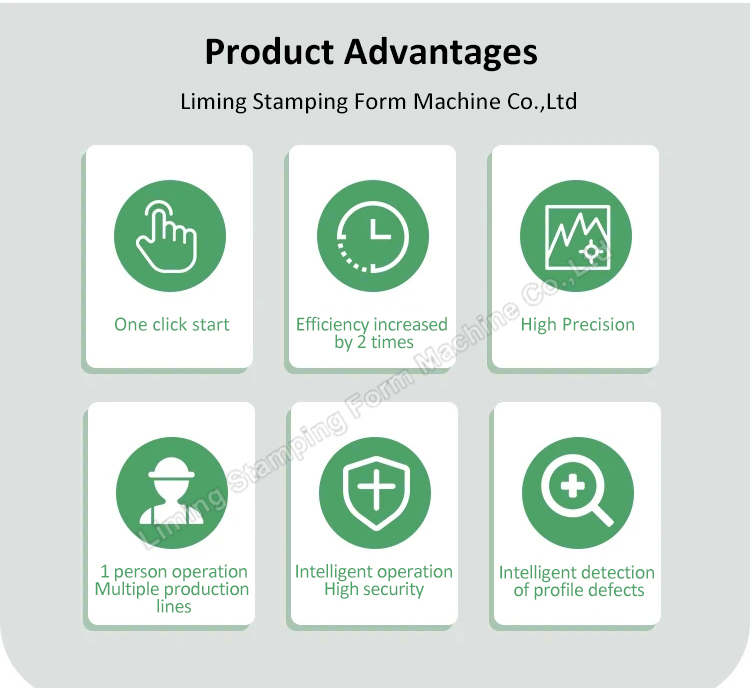
Control system: Advanced PLC control system is adopted to achieve automated control of the entire production process, including speed adjustment, size setting, fault diagnosis and other functions.
4. Maintenance and upkeep
Daily maintenance: Regularly clean the equipment, especially the rolling mill and welding area, to ensure that there are no debris residues.
Lubrication management: Regularly check and replace the lubricating oil of the equipment to ensure the normal operation of all operating components.
Electrical inspection: Regularly check the electrical system and control circuits to ensure that there is no damage or looseness.
- Tightening inspection: Check the tightness of each connecting component and bolt to prevent looseness from causing unstable equipment operation.
Professional maintenance: Regularly invite professional technicians to conduct comprehensive inspections and maintenance of equipment to ensure long-term stable operation.
The Steel Pipe Mill Machine is widely used in modern manufacturing industry, and its efficient and stable performance provides high-quality pipe products for various industries. With the continuous advancement of technology, high-frequency welded pipe forming machines will continue to develop towards intelligence and efficiency, providing support for the upgrading of the manufacturing industry