A rolling shutter slat roll forming machine helps manufacturers make good metal slats in an effective way. These slats go into rolling shutters for use in security, insulation, and commercial applications. This high speed rolling shutter slat production line changes metal coils into exact profiles. The profiles meet different market needs. Businesses have problems when they pick the right equipment. The equipment must balance profile variety, output capacity, and cost-effectiveness. An aluminum rolling shutter slat roll forming machine or similar system solves these needs. It gives steady results and strong ROI.
What Is a Rolling Shutter Slat Roll Forming Machine?
A rolling shutter slat roll forming machine is automated equipment. It shapes metal coils into interlocking slat profiles through a series of rollers all the time. Manufacturers depend on this technology. They use it to make uniform components for rolling shutter doors and windows. The process gives high precision and repeatability. Manual methods cannot match this level.
How the Machine Works
The production process starts with decoiling. A metal coil feeds into the line at this point. The material then goes through a leveling unit. After that, it enters the main roll forming stations. These stations bend the strip into the desired profile shape step by step. Servo systems control precise cutting to length. An automatic stacker collects the finished slats. This continuous operation reduces waste. It also increases efficiency.
Main Components of the Production Line
Key components include the decoiler for coil handling. They also include the feeding and leveling unit for smooth material flow. The main roll forming stations have multiple roller pairs. A hydraulic punching and cutting system is there too. A PLC control cabinet handles automation. An automatic stacker completes the set. Each component adds to overall line reliability and product quality. Proper integration of these parts makes stable high-speed operation possible.
Applications in Rolling Shutter Manufacturing
Rolling shutter slat roll forming machines support production for residential windows, commercial storefronts, industrial security doors, and custom architectural projects. Rolling shutter manufacturers, building material factories, metal fabrication companies, industrial investors, importers, distributors, and OEM producers all benefit from this equipment. The machines help these businesses meet varying demands for security, insulation, and aesthetics.
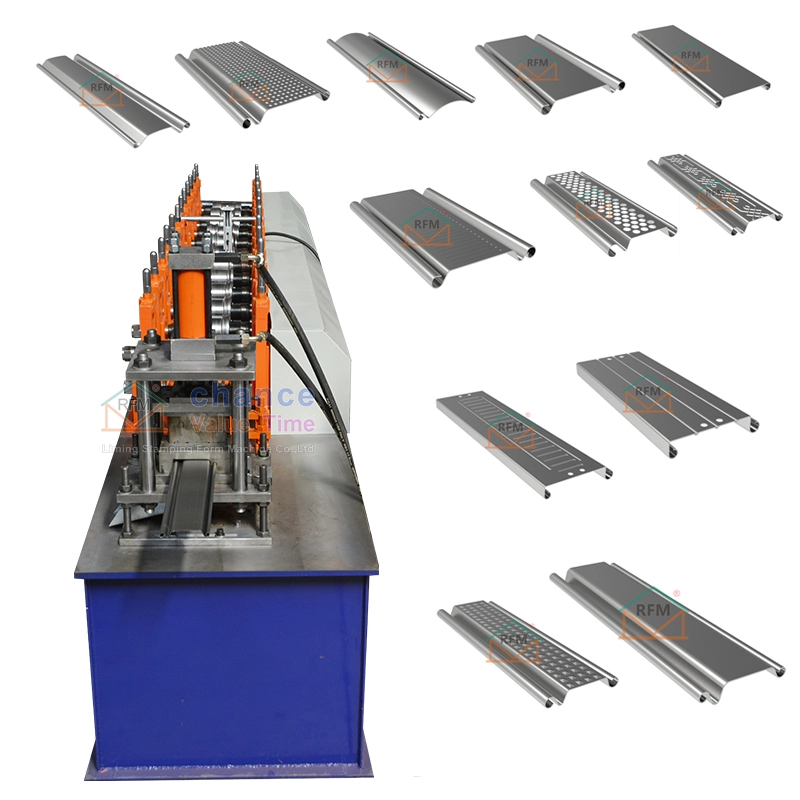
Common Rolling Shutter Slat Profile Types
Different slat profiles serve specific performance needs. Understanding these options helps manufacturers select the right rolling shutter slat roll forming machine configuration.
Flat Rolling Shutter Slats
Flat slats give a modern, clean appearance with compact stacking. They fit standard security and aesthetic applications. These profiles need simpler tooling. They often support higher production speeds. Manufacturers like their straightforward design and cost-effectiveness.
Curved Rolling Shutter Slats
Curved designs increase structural strength. They also improve interlocking. They give better wind resistance than flat options. These slats work well for residential and commercial uses. Durability matters in these cases. The curvature adds rigidity. It does this without a big increase in material use.
Insulated PU Foam Filled Slats
Insulated slats have double-wall construction with polyurethane foam filling. They give excellent thermal and acoustic insulation. Production lines for these profiles often include additional foam injection steps. These steps affect overall machine configuration. These slats fit energy-efficient applications in various climates.
Perforated Security Shutter Slats
Perforated slats allow ventilation and visibility. They keep security at the same time. They need precise punching stations. These stations integrate into the roll forming line. These profiles balance airflow needs with protection requirements. This balance makes them popular for commercial storefronts.
Extruded Aluminum Shutter Profiles
Aluminum profiles offer lightweight and corrosion-resistant performance. They fit coastal or premium markets well. The rolling shutter slat roll forming machine handles thinner aluminum gauges with excellent results. These profiles give long-term durability and aesthetic appeal.
Wind-Resistant Shutter Slat Designs
Wind-resistant designs use reinforced shapes or heavier materials. They stand up to high winds in hurricane-prone regions. These profiles often need more forming stations and robust tooling. Manufacturers choose them for demanding environmental conditions.
How Slat Profile Design Affects Machine Configuration
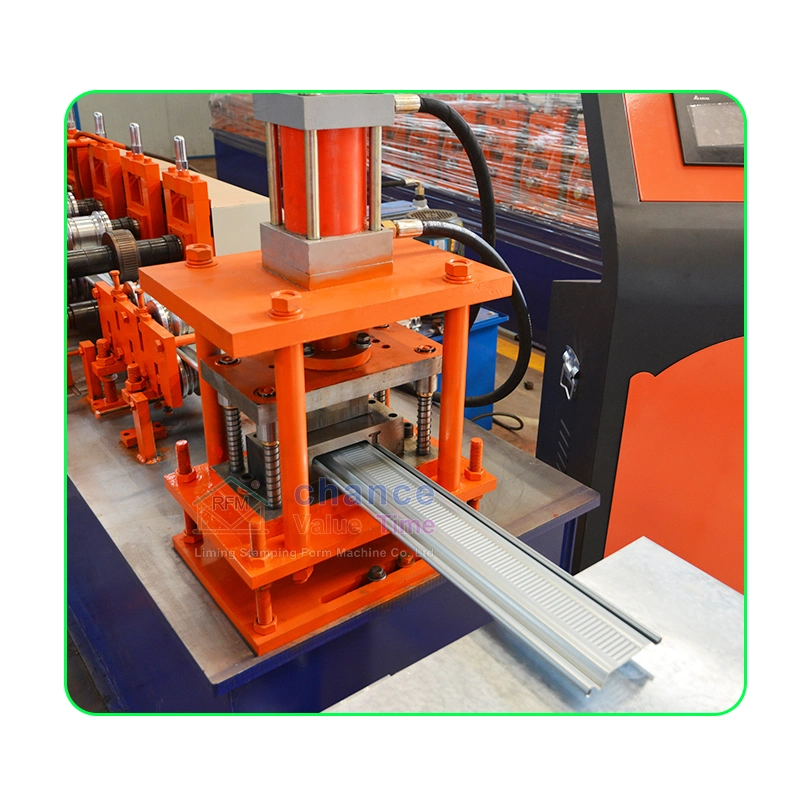
Profile geometry directly influences the required machine setup. Buyers must consider these factors when they select a rolling shutter slat roll forming machine.
Roll Forming Stations Required
Simpler flat profiles may need 10-14 stations. Complex curved or insulated designs require 14-20 or more stations. Additional stations ensure precise shaping and proper interlocking features. The exact number depends on profile depth and complexity.
Material Thickness Compatibility
Machines typically accommodate 0.3-1.2mm steel or aluminum coils. Thicker materials demand stronger machine frames and adjusted roller pressure. Compatibility with various thicknesses allows flexibility across different product lines.
Tooling and Roller Design
Custom rollers match the exact profile geometry. High-quality tooling maintains dimensional accuracy throughout production. Quick-change systems reduce downtime when switching between profiles. Proper roller design prevents material deformation and surface defects.
Production Speed of Rolling Shutter Slat Roll Forming Machines
Production speed remains a primary concern for capacity planning and investment decisions.
Standard Production Speeds
Most standard lines achieve 15-25 m/min for common profiles. Actual speeds vary based on design complexity and material properties. These rates support efficient medium-to-high volume manufacturing.
High-Speed Automatic Production Lines
Optimized servo-driven lines reach 25-30+ m/min for simpler profiles. Advanced automation maintains these speeds with consistent quality. High-speed configurations suit large-scale producers with steady demand.
Factors Affecting Output Capacity
Profile complexity, material thickness, cutting system efficiency, and automation level all impact capacity. Coil quality and proper maintenance also play important roles. Understanding these variables helps accurate forecasting.
Speed vs Product Quality
Higher speeds must not compromise dimensional accuracy or surface finish. Proper machine configuration and calibration prevent defects. Manufacturers balance speed with quality. They do this to meet customer expectations and reduce waste.
Key Factors That Influence Production Speed
Several technical elements determine the effective output of a rolling shutter slat roll forming machine.
Material Thickness
Thinner coils generally allow faster forming speeds. Thicker materials require slower processing to maintain stability and precision. Operators adjust parameters accordingly for optimal results.
Coil Width and Yield Strength
Wider coils or higher-strength materials need adjusted tension and drive power. These properties affect forming behavior and line stability. Proper setup ensures smooth operation across different specifications.
Servo Flying Cutting Systems
Servo flying cutters enable non-stop operation at high speeds. They eliminate the need to stop the line for each cut. This technology significantly boosts overall throughput.
Automatic Stacking Solutions
Automatic stackers reduce manual handling. They support continuous production. They minimize downtime between bundles and improve safety. Integrated systems enhance end-of-line efficiency.
PLC Automation Level
Advanced PLC controls synchronize all stations for smooth performance. They allow real-time monitoring and quick parameter adjustments. Higher automation levels reduce operator intervention and errors.
Material Options for Rolling Shutter Slat Production
Material choice affects durability, cost, and application suitability.
Galvanized Steel (GI)
Galvanized steel provides cost-effective corrosion resistance. It serves as the standard choice for many shutter applications. This material offers good strength and workability in roll forming.
Pre-Painted Steel (PPGI)
Pre-painted steel delivers color variety and pre-finished surfaces. It suits aesthetic-focused projects without additional painting. The coating maintains integrity during the forming process.
Aluminum Coils
Aluminum provides lightweight and rust-proof performance. It works well for premium or coastal installations. The material forms cleanly and supports various finishes.
Stainless Steel Materials
Stainless steel excels in high-end, marine, or food-grade environments. It offers maximum durability and corrosion resistance. Though more expensive, it provides long-term value in demanding conditions.
Partner with Hebei Liming for Your Rolling Shutter Production Needs
Hebei Liming brings nearly 30 years of expertise in designing and manufacturing high-quality roll forming machines, including solutions for steel door and window profiles. The company delivers customized, durable equipment with strong global support. It helps manufacturers achieve efficient, precise production tailored to their requirements. Contact Hebei Liming today for a personalized quote on your rolling shutter slat roll forming machine project.
FAQ
What is the typical production speed of a rolling shutter slat roll forming machine?
Typical speeds range from 15-25 m/min for standard profiles. High-speed lines reach 25-30+ m/min depending on configuration and material.
How do different shutter slat profiles affect machine selection?
Different profiles require different machine configurations. Simple flat slats usually need fewer roll forming stations and can run at higher speeds. Curved, insulated, perforated, or wind-resistant slats may require more forming stations, special tooling, punching units, foam filling systems, or stronger machine frames.