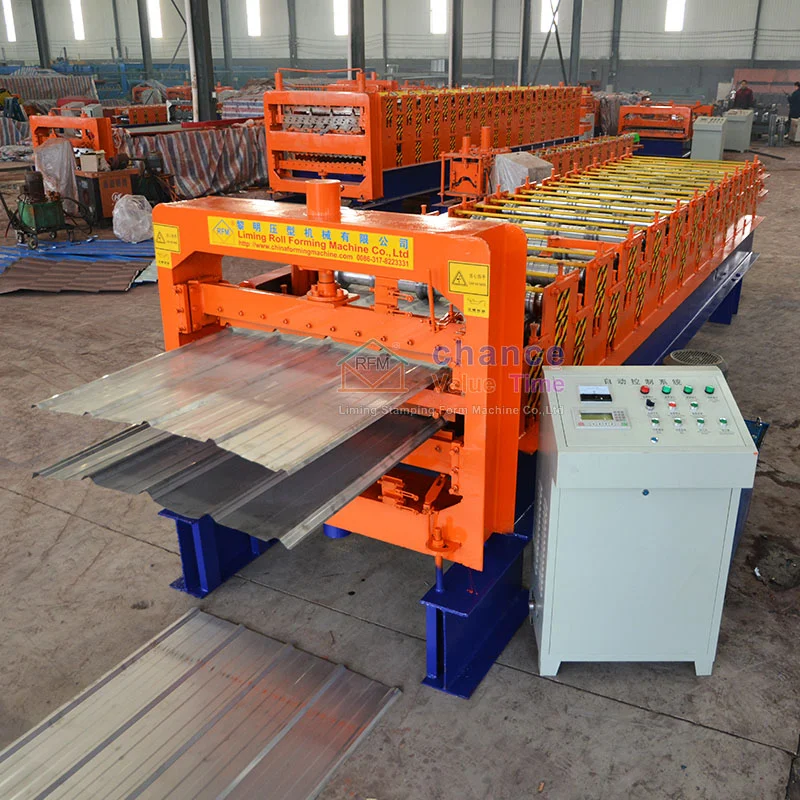
A steel sheet making machine can decide whether a factory produces stable panels, controls labor input, and meets project delivery schedules. A suitable steel sheet making machine for factory production should match the required sheet profile, coil material, sheet thickness, output capacity, automation level, and workshop space. An automatic steel sheet making machine can also help factories standardize length control, reduce repeated manual operation, and improve batch consistency. Roll forming is widely used because the process bends sheet or coil material through consecutive roller stations until the required profile is formed.
What Is a Steel Sheet Making Machine Used For?
A steel sheet making machine forms metal coils into finished sheets or panels for construction and industrial use. Factories commonly use this equipment to produce roofing panels, wall panels, deck panels, gutters, downspouts, and other long metal profiles.
Common Applications in Roofing and Wall Panel Production
A roofing sheet factory often needs corrugated sheets, trapezoidal sheets, glazed tile sheets, or ribbed panels. A building material manufacturer may use similar machines for warehouses, workshops, farm buildings, residential roofing, and prefabricated structures.
Each application requires a different profile design. The buyer should confirm the rib height, rib spacing, effective width, total width, and final installation method before selecting a machine.
Main Materials Processed by Steel Sheet Making Machines
A steel sheet making machine can process galvanized steel, color-coated steel, carbon steel, stainless steel, aluminum, and coated metal coils when the machine is designed for those materials. Material properties matter because sheet thickness, yield strength, surface coating, and coil width affect roller design, motor power, cutting force, and forming accuracy.
Why Roll Forming Is Suitable for Steel Sheet Production
Roll forming suits factory production because the process is continuous. The metal strip passes through several pairs of rollers, and each roller station gradually changes the shape. This method supports long profiles, repeatable dimensions, and stable batch production.
What Type of Steel Sheet Making Machine Does Your Factory Need?
The correct machine type depends on the final product. A buyer should not choose one machine name only by price. The buyer should match the machine with the sheet profile, material range, order volume, and market demand.
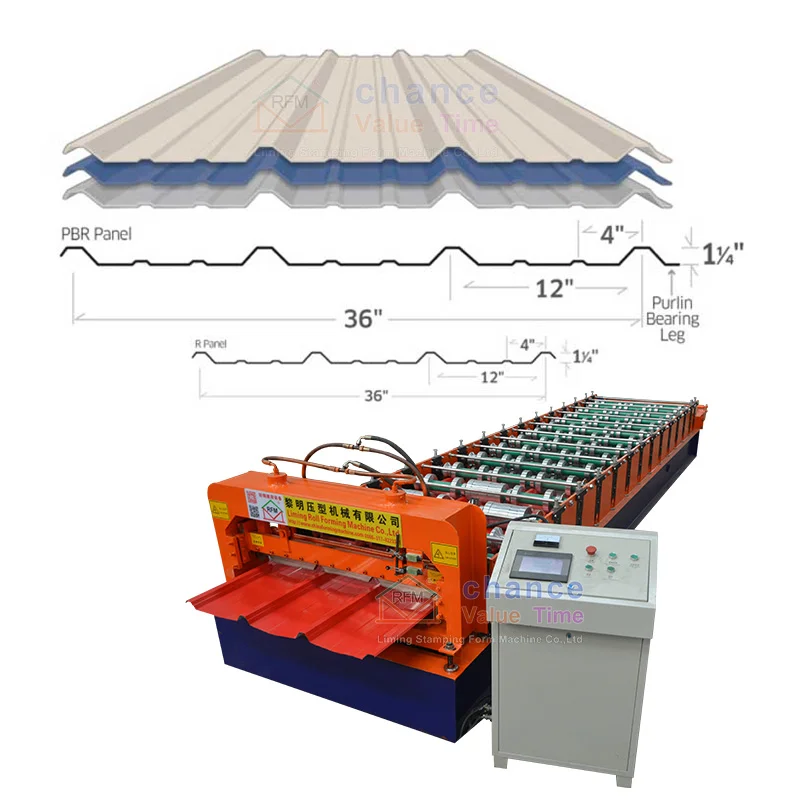
Corrugated Steel Sheet Making Machine
A corrugated steel sheet making machine produces wavy roofing or wall panels. This machine type is suitable for factories that supply industrial roofing, agricultural buildings, warehouses, and lightweight construction panels.
The buyer should confirm these details:
- The buyer should confirm the corrugation depth.
- The buyer should confirm the pitch distance.
- The buyer should confirm the finished sheet width.
- The buyer should confirm the thickness range.
Trapezoidal Steel Sheet Making Machine
A trapezoidal sheet machine produces ribbed panels with straight and angled profiles. These panels are common in roofing and wall cladding because the ribs can improve stiffness and drainage performance.
The buyer should compare rib height, rib spacing, forming stations, cutting method, and panel overlap requirements.
Glazed Tile Steel Sheet Making Machine
A glazed tile steel sheet making machine produces decorative roof panels with a tile-style appearance. This machine usually needs step pressing or special forming design.
The buyer should confirm tile pitch, step depth, panel width, and required roof style. The supplier should review the profile drawing before the quotation.
Double Layer Steel Sheet Making Machine
A double layer steel sheet making machine can produce two different profiles on one machine frame. This structure can save factory space and reduce investment when two profiles share similar production requirements.
The buyer should remember that two layers usually do not work at the same time. The buyer should compare profile compatibility, switching convenience, and actual production needs.
Cut-to-Length Line and Slitting Line Options
Some factories need supporting coil processing equipment. A cut-to-length line cuts wide coils into flat sheets with fixed lengths, while a slitting line cuts wide coils into narrower strips or smaller coils. This distinction matters when the factory supplies both formed sheets and prepared coil materials.
Which Technical Specifications Should Buyers Compare?
Technical specifications determine forming quality, production stability, and final sheet accuracy. The buyer should compare machine configuration before comparing price.
Coil Width and Effective Sheet Width
Coil width is the raw material width before forming. Effective sheet width is the useful coverage width after installation. The buyer should confirm both values because overlapping edges reduce the usable panel width.
Sheet Thickness Range
Sheet thickness affects machine strength, roller design, shaft diameter, motor power, and cutting force. The buyer should provide the minimum and maximum thickness instead of giving only one sample thickness.
Forming Speed and Daily Production Capacity
Forming speed does not equal total daily output. Daily output also depends on coil loading, feeding, cutting time, sheet length, operator workflow, and finished sheet handling.
A high-speed machine can support larger orders, but the whole line must match that speed. The decoiler, cutting system, run-out table, and stacker should not become bottlenecks.
Roller Stations and Profile Accuracy
Roller stations gradually form the sheet profile. A deeper or more complex profile usually needs more forming stations. Good roller design helps the finished sheet keep a stable shape, clean surface, straight edge, and repeatable size.
Main Shaft, Frame, and Transmission System
A strong machine frame helps reduce vibration during continuous production. A suitable main shaft diameter supports forming force when the machine processes thicker or harder material.
The transmission system should match the required speed and load. A factory buyer should ask about chain drive, gearbox drive, motor power, and frame structure.
Cutting System and Length Control
The cutting system affects sheet end quality and length accuracy. Common options include hydraulic cutting, post-cutting, stop-cutting, and flying cutting.
The buyer should confirm cutting tolerance, blade material, burr level, sheet deformation risk, and automatic length setting. Accurate length control is important for project installation and material planning.
How Important Is Automation for Factory Production?
Automation matters when the factory needs repeatable production, stable length control, and lower manual involvement. An automatic steel sheet making machine can improve workflow when the factory handles regular orders and multiple production batches.
PLC Control and Touch Screen Operation
A PLC control system helps operators set sheet length, production quantity, batch data, and cutting commands. A touch screen interface can make operation more direct and reduce manual adjustment.
Automatic Feeding, Forming, Cutting, and Counting
An automatic production line can connect decoiling, feeding, forming, cutting, and counting into one workflow. This configuration helps factories reduce repeated manual work and improve sheet consistency.
Manual, Semi-Automatic, and Fully Automatic Options
A small workshop may choose a simpler configuration when production volume is limited. A factory with stable orders may need higher automation for faster output and better standardization.
The buyer should match the automation level with labor availability, production shifts, order size, and budget.
Electrical Components and Voltage Requirements
The buyer should confirm voltage, phase, frequency, control language, and electrical cabinet requirements before production. A voltage mismatch can delay installation and commissioning.
How Should Buyers Match the Machine with Factory Output?
A steel sheet making machine for factory production should match the real order volume. A machine that is too simple may limit growth. A machine that is too complex may increase unnecessary investment.
Small Factory and Startup Production Needs
A startup factory should focus on stable forming, simple operation, standard profiles, and reliable cutting. The buyer should choose a practical configuration that supports current orders without creating excessive cost pressure.
Medium-Scale Building Material Production
A medium-scale factory usually needs regular roofing or wall panel production. The buyer should prioritize automatic length control, strong frame structure, accurate cutting, and consistent profile quality.
High-Volume Continuous Production Line
A high-volume factory may need faster forming speed, automatic stacking, stronger decoilers, and efficient workshop layout. The buyer should also consider coil handling, finished sheet storage, and operator movement.
Workshop Space and Layout Planning
The machine layout should include space for the decoiler, feeding section, forming machine, cutting area, run-out table, finished sheet stacking, and coil handling. The buyer should prepare workshop dimensions before requesting a quotation.
FAQ
How much does a steel sheet making machine cost?
The cost depends on the machine type, profile complexity, material thickness, frame strength, roller material, automation level, cutting system, and supporting equipment.
What thickness can a steel sheet making machine process?
The thickness range depends on roller design, shaft strength, motor power, frame structure, and cutting system. The buyer should provide the exact minimum and maximum thickness before quotation.
Hebei Liming provides roll forming machinery and custom metal forming solutions for factory production projects. The company has 28 years of experience in the design, development, and manufacturing of roll forming machines, and its product range includes roofing machines, cut-to-length lines, slitting lines, purlin roll forming machines, deck floor roll forming machines, gutter forming machines, downspout machines, and other metal forming equipment. Buyers can prepare a profile drawing, material thickness, coil width, required speed, voltage, and workshop layout to request a more accurate steel sheet making machine solution. Contact us to discuss your steel sheet profile, material specifications, automation requirements, and factory layout. Our team can help recommend a suitable machine configuration and provide a customized quotation for your project.