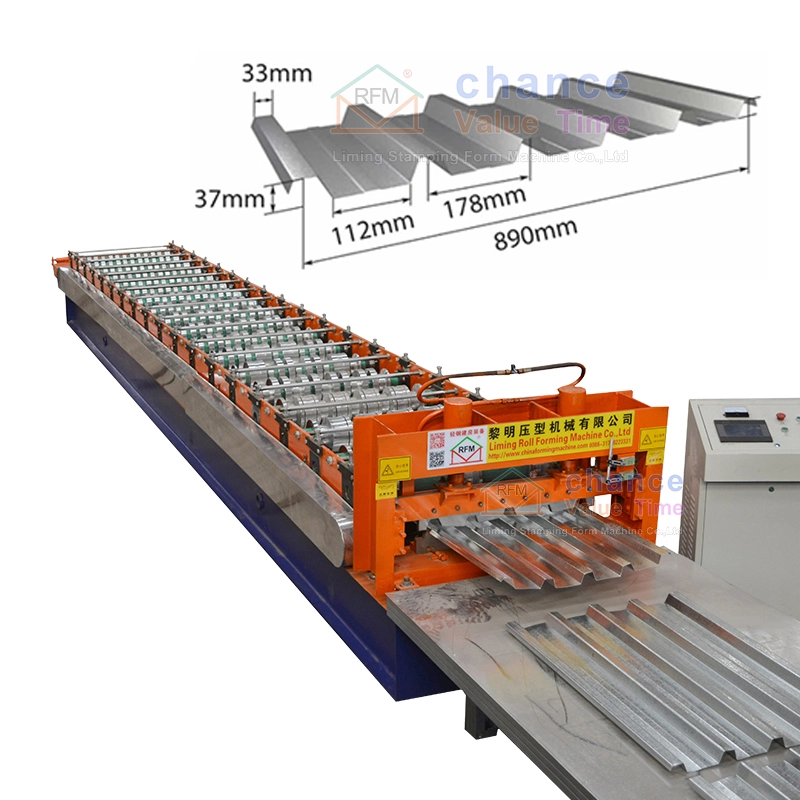
Finding a reliable IBR roof sheet making machine supplier needs careful research. The right partner gives high-quality output, smooth production, and long-term business success. Many buyers look for a reliable IBR roof sheet machine manufacturer or China IBR roof sheet making machine supplier to start or grow their roofing sheet production. This guide helps procurement teams, factory owners, and importers check options well. Global demand for strong metal roofing solutions keeps growing. Choosing the best supplier can improve profitability and product reputation.
Why Choosing the Right IBR Roof Sheet Making Machine Supplier Matters
Selecting the ideal supplier affects every part of the roofing sheet manufacturing business. The supplier’s abilities shape results from the first investment to daily work and customer satisfaction. A good partnership reduces risks and increases returns in a competitive market.
Impact on Product Quality
Quality machines create consistent and durable IBR sheets with exact profiles. These sheets have uniform waves, correct dimensions, and solid strength that resist bad weather. Poor equipment often causes defects such as uneven waves, weak seams, or varying thickness. Such problems make sheets fail in actual use. This leads to leaks, weak structures, and customer issues. Reliable suppliers use hardened rollers (often Cr12 material with chrome plating) and precise forming stations. These keep tight tolerances. As a result, every sheet meets industry standards.
Impact on Production Efficiency
Reliable suppliers provide machines with good production speed, high automation, and strong uptime. Modern IBR roof sheet making machines usually reach forming speeds of 10-25 meters per minute. This depends on setup and material thickness (usually 0.3-0.8mm for GI, PPGI, or similar coils). Advanced automation cuts manual work. It reduces errors and supports steady operation. High uptime means fewer stops. Factories can meet deadlines and increase output easily.
Long-Term Maintenance and Support
Ongoing costs for parts, service, and technical help add up. Good suppliers build strong machines with available components. They also give full support. This method lowers total ownership costs. Durable construction, easy maintenance, and useful guidance extend machine life. Machines often last 10-15 years or more with proper care.
Risks of Choosing an Unreliable Supplier
Unreliable partners can cause big financial losses. These come from frequent breakdowns, low-quality output that gets rejected, and delays that hurt client ties. Reputation drops when sheets do not perform well. Common problems include machines that lose speed, make wrong profiles, or miss proper documents. These issues create installation troubles and regulatory problems.
Key Factors to Evaluate an IBR Roof Sheet Making Machine Supplier
Careful checks with clear standards help find top partners.
Manufacturing Experience
Years in the industry are very important. Experienced roof sheet machine manufacturers know material behavior, roll forming dynamics, and usual challenges. Suppliers with 20+ years, like those started in the mid-1990s, have improved designs from real feedback. This creates more dependable and efficient equipment.
Factory Scale and Production Capacity
Larger facilities with modern CNC machinery and several production lines show better consistency. They also handle custom or large orders. Scale often links to stronger quality control and quicker delivery times.
Engineering and Design Capabilities
Strong engineering teams do well in custom profile design, software simulation, and new roll forming technology. They can adjust machines for specific IBR profiles, material types, and production needs. They add features like hydraulic decoiling and precise cutting.
Quality Control Procedures
Strict testing at each stage from raw material check to final assembly and trial runs ensures machines work as promised. Reputable suppliers keep clear records. They follow international standards.
Export Experience
Suppliers familiar with international shipping, documents, certifications (ISO, CE), and market rules reduce problems. They know container loading, customs, and regional needs for smooth delivery.
How to Verify a Supplier’s Manufacturing Capabilities
Verification steps protect the investment and confirm claims.
Request Factory Videos and Production Photos
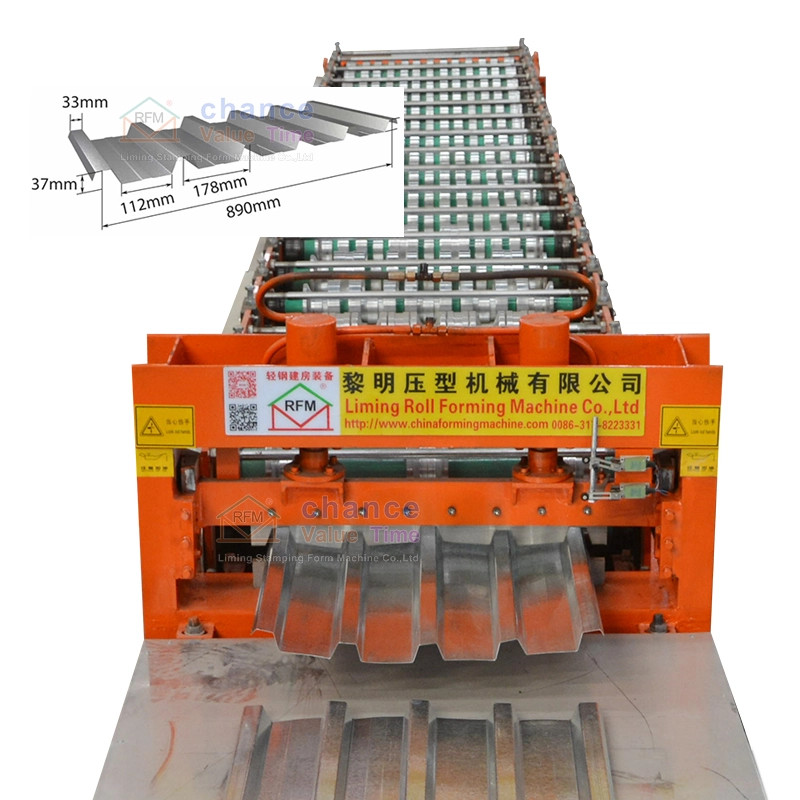
Check visuals for solid machine build, organized workshops, advanced equipment, and signs of active production. Look for details like heavy-duty frames (e.g., 350H steel), precise roller stations, and clean assembly areas.
Check Existing Customer Projects
Ask for references, case studies, and contacts from past clients in similar markets. Positive feedback on performance, support, and long life gives useful information.
Review Certifications and Quality Standards
Key certifications like ISO for quality management and CE for safety and environmental rules show strict standards. These help machines meet export and operation needs.
Arrange a Factory Visit or Virtual Inspection
On-site or remote checks let buyers review key areas: raw material storage, machining centers, assembly lines, testing zones, and packaging. Watch live demonstrations that produce IBR sheets to the needed specifications.
Questions to Ask Before Buying an IBR Roof Sheet Making Machine
Direct questions show true abilities.
What Raw Materials Can the Machine Process?
Confirm compatibility with GI, PPGI, PPGL, and various thicknesses (typically 0.3-0.8mm). Versatile machines handle different coil widths and strengths well.
What Is the Production Speed?
Realistic speeds range from 12-25 m/min based on setup. Discuss factors like material thickness, profile complexity, and automation that affect actual output.
What Warranty Is Offered?
Standard terms often include 12-24 months coverage on major components. They also include lifetime technical support. Clarify what is covered, such as motors, hydraulics, and PLC systems.
Are Spare Parts Readily Available?
Quick access to rollers, blades, and electronic parts either locally or through fast global shipping reduces downtime.
Is Overseas Technical Support Available?
Options include remote guidance via video, detailed manuals, on-site installation by engineers, and training for operators. Suppliers with global experience often provide these services well.
Why Many Buyers Choose Chinese IBR Roof Sheet Making Machine Manufacturers
Mature industry advantages drive preference.
Competitive Pricing
Efficient supply chains and specialized production lower costs without losing core quality.
Mature Supply Chain
Easy access to high-quality components like hardened rollers and reliable hydraulics supports steady manufacturing.
Custom Machine Design Options
Flexibility allows tailoring for specific IBR profiles, widths, and requirements based on customer drawings.
Global Export Experience
Proven handling of international standards, logistics, and documentation simplifies purchasing.
Faster Return on Investment
Reliable, high-output machines enable quicker production ramps and profitability.
Partner with a Proven IBR Roof Sheet Making Machine Supplier
Hebei Liming brings 28+ years (established 1996) of specialized experience in designing and manufacturing high-quality roll forming machines, including solutions for roofing sheet production. The company focuses on precision engineering, reliable performance, and comprehensive customer support. This includes customization, installation, and global service. These help businesses achieve efficient and consistent results. With exports to 200+ countries and a strong emphasis on automation and durability, Hebei Liming stands as a trusted partner for IBR and other roofing solutions. Contact Hebei Liming today.
FAQ
What makes a supplier reliable for IBR roof sheet machines?
Key indicators include extensive industry experience, verifiable customer references, transparent factory operations, proper certifications (ISO, CE), and strong after-sales support with quick technical assistance.
How long does it typically take to receive a machine from China?
Lead times usually range from 25-45 days for production, plus 15-40 days for sea shipping depending on destination. Factors like customization and order volume influence timelines.
Should I visit the factory before purchasing?
Yes, in-person or virtual inspections provide critical insights into quality, capabilities, and operations. They help confirm specifications and build confidence in the partnership.
What certifications should I look for?
Prioritize ISO for quality management, CE for safety and compliance, and any market-specific certifications relevant to the region.