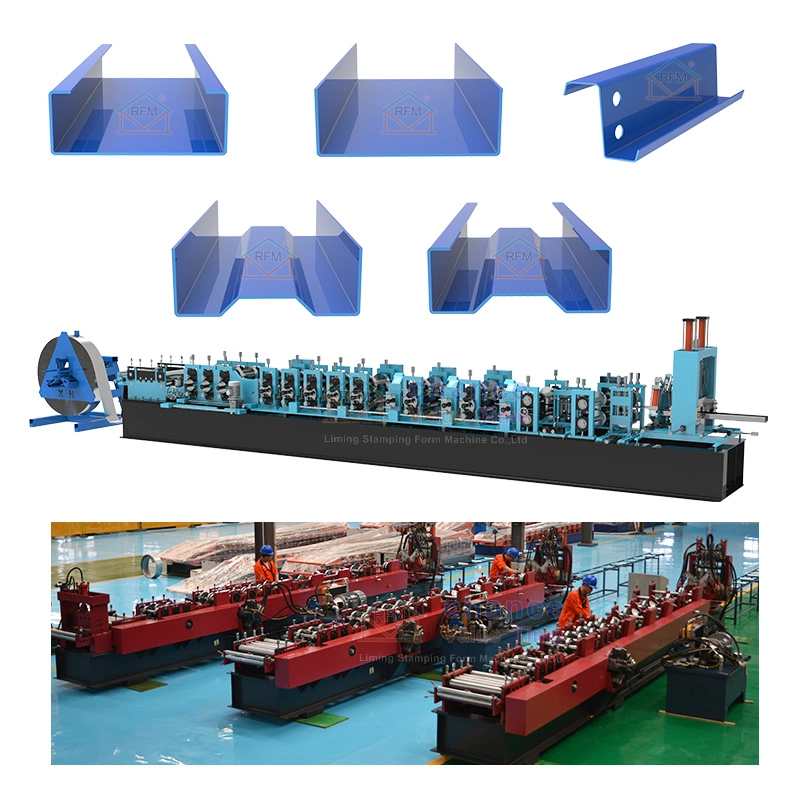
Purlin roll forming works as a main step in making structural steel parts for building projects. Lots of people in the industry come across this term while looking for better ways to produce roof and wall supports. Purlins serve as horizontal pieces that give stability to roofs, walls, and framing setups. Roll forming changes flat metal coils into these exact shapes with steady bending. This guide covers the basics of purlin roll forming, its strong points, machine parts, usual types, real-world tips for making them, and why demand keeps growing in today’s construction.
What is Purlin Roll Forming?
Purlins work as key structural supports inside buildings. They move loads from roofing or cladding over to the main frames. Roll forming builds these pieces by sending metal strips through a line of rollers. These rollers slowly shape the material step by step.
Purlin roll forming uses roll forming methods just for purlin shapes. A steel coil—usually galvanized or cold-rolled—sits on a decoiler. Then it moves into the machine. Rollers press the strip and bend it into forms like C, Z, Sigma, hat, or lip channel. No heat gets added. This cold-forming way keeps the steel’s strength and protective coating in good shape.
The whole process gives steady results and wastes very little material. Newer lines allow fast changes for various sizes. That makes the approach flexible for different project needs. Many shops pick purlin roll forming because it mixes good speed, clear accuracy, and solid cost control in big runs or special orders. The machine keeps bending metal coils into exact purlin shapes. It runs mostly on its own, produces a lot, and holds quality steady.
What is the Purpose of a Purlin Roll Forming Machine?
A purlin roll forming machine makes structural steel purlins. These act as horizontal beams that hold up roof decking and sheeting in metal buildings. The machines create C, Z, U, or Sigma profiles. They shape metal coil stock with a row of rollers and skip heat or welding.
Put simply, the machine grabs flat steel. It turns that into a tough, even, and load-carrying shape in one easy, automatic run. You end up with a purlin that installs right away.
It works for big industrial roofs or cold-formed steel frames. This machine brings a quick, exact, and expandable way to make strong structural parts fast with almost no waste. It stays very important for building steel framing systems in commercial, industrial, and home projects.
Benefits of Purlin Roll Forming Machine
Purlin roll forming machine stands apart from other metal-making methods thanks to clear benefits.
Quality Advantages
Uniform strength runs through every purlin. Connections come engineered with care. Performance stays the same under all kinds of conditions.
Operational Benefits
Continuous running allows production without breaks. Automatic stacking makes handling materials easier. Fast changeovers let you run several profiles in one shift. Fewer workers needed—just 1-2 operators run each machine.
Cost-effectiveness
The steady process cuts scrap when you compare it to press braking or welding. Labor stays low after setup. Material use gets better with careful forming.
Efficiency
Helps create quick output. Machines keep steady speeds. That leads to short lead times, even on large orders. This feature aids tight construction timelines.
Precision
Gives dependable sizes. Rollers hold close tolerances on web, flange, and lip areas. Steady hole spots from built-in punching help exact on-site assembly.
Design Flexibility
Opens room for changes. Profiles shift to match certain load needs or building styles. One line often deals with many shapes using tooling or auto switches.
Quality Consistency
Stays even across pieces. The method makes smooth surfaces free from twists or flaws seen in other ways. Ready purlins show solid structural ability fit for tough settings.
Components of Purlin Roll Forming Machines
Purlin roll forming machines bring together different parts to turn coils into complete profiles.
The decoiler keeps the coil in place and unwinds it. Hydraulic types manage thicker gauges and wider strips with ease.
A leveling unit flattens the strip. This part clears coil curve and makes sure the strip enters the forming area straight.
Punching units make holes or slots. Pre-punching before shaping gives accurate spots. It often uses hydraulic or servo presses that match line speed.
The roll former builds the main shaping zone. Many stations hold hardened rollers. They bend the strip bit by bit into the wanted profile. Adjustments handle size differences.
A cutting system cuts pieces to length. Flying shears or hydraulic cutters work while the line keeps moving. That holds high output.
The control system watches everything. PLC setups handle speed, punching, cutting, and size shifts. Touchscreens let you monitor and save settings.
All these parts work together for steady, automatic purlin production.
Types of Purlin Roll Forming Machines
Different machines aim at certain purlin shapes according to structural demands.
C-purlin machines
Make C-shaped sections. These profiles fit roofing, cladding, and basic framing. One-sided access makes setup simpler.
Z-purlin machines
Shape Z profiles. The form supports good overlapping. It improves load spread and often fits longer spans better.
Sigma-purlin machines
Build sigma or double-U shapes. These give extra stiffness. They appear in jobs that need better strength-to-weight balance.
Hat-purlin machines
Create hat or U profiles. These light options suit secondary framing or special supports.
Lip channel machines
Produce channels with lips turned inward. Industrial jobs use them for conveyor supports and racking systems.
Many newer lines mix features, like automatic C/Z switching. That boosts flexibility without needing several separate machines.
Market Trends: Why Purlin Roll Forming Machines Are in High Demand
Demand for steel purlins keeps climbing fast. Main trends push the market forward.
- Prefab construction boom: Shorter build times need modular, standard steel parts. Purlins match that need well.
- Solar infrastructure: Steel purlins see wide use in solar racking systems. This field grows quickly around the world.
- Cost pressure and labor shortages: Manufacturers turn to automation. They aim to hold profits and output with smaller teams.
- Demand for customization: Projects need quick shifts in purlin size, hole punching, and profile shape. Automated roll forming machines handle those changes smoothly.
As the field shifts to digital factories and live production tracking, roll forming machines with smart links pick up strong interest.
What Is the Difference Between a Beam Roll Former and a Purlin Roll Forming Machine?
They might appear alike at first glance. Still, beam roll forming machines and purlin roll forming machines handle different jobs.
Purlin roll forming machines put focus on speed and flexibility for lighter profiles such as C, Z, U, or Sigma purlins. They usually work with material thicknesses of 1.2mm–3.0mm. These machines have adjustable tooling and fast profile changes. That suits roofing support and cladding frames.
Beam roll formers aim at heavy structural I-beams or H-beams. They take thicker materials (4.0mm and above). They feature stronger builds, more power, less flexibility, and setups fixed for specific profiles. Those suit main load-bearing structures.
The choice depends on the job. Purlin machines stress quickness for secondary supports. Beam formers focus on raw strength for primary structures.
Frequently Asked Questions
What profiles can a purlin roll forming line produce on one machine?
Modern automatic lines switch between C, Z, and other shapes through servo adjustments and stored recipes. Tooling sets determine the range of web depths, flange widths, and lip sizes.
Which materials and thicknesses suit purlin roll forming?
Galvanized steel dominates, along with hot-rolled or cold-rolled coils. Thickness typically ranges from 1.2 mm to 3.0 mm for standard C/Z purlins, with heavier gauges possible for specialized sections.
Is pre-punching or post-punching preferred for holes and slots?
Pre-punching before forming achieves better accuracy and alignment. Servo or rotary presses synchronized with the line prevent distortion during shaping.
How do automatic size-change systems reduce downtime?
Servo-driven adjustments preset gaps, widths, and lips from recipes. Quick tool recognition and automated setups minimize changeover time.
What tolerances are achievable in production?
Length tolerances reach ±0.5–1.0 mm with servo cutting. Hole positioning and section dimensions hold ±0.5–1.0 mm under proper coil quality and machine calibration.
Contact Leading Manufacturer and Supplier for Purlin Roll Forming Solutions
Businesses looking for reliable, high-performance purlin roll forming machines gain from working with an experienced manufacturer and supplier. Hebei Liming specializes in custom roll forming equipment with 28 years of expertise, including advanced C/Z purlin lines with automatic size-change features, precise punching, and servo controls for efficient production. As a dedicated factory, the company delivers durable, high-quality solutions tailored to structural steel needs, with OEM customization, global after-sales support, and installations worldwide. Reach out today for quotations, technical specifications, or project consultations to optimize manufacturing operations. Visit https://www.lmrfm.com/ or contact the team directly.