This guide explains how to choose the right purlin roll forming machine by matching the equipment to the required profiles, steel properties, hole patterns, cutting method, output target, and factory conditions. This purlin roll forming machine buying guide also shows buyers how to compare automation, accuracy, quotation scope, and acceptance testing. A factory that processes frequent mixed orders should also determine whether an automatic C Z purlin roll forming machine can reduce changeover work. The final specification should give every bidder the same technical basis for engineering, testing, and pricing.
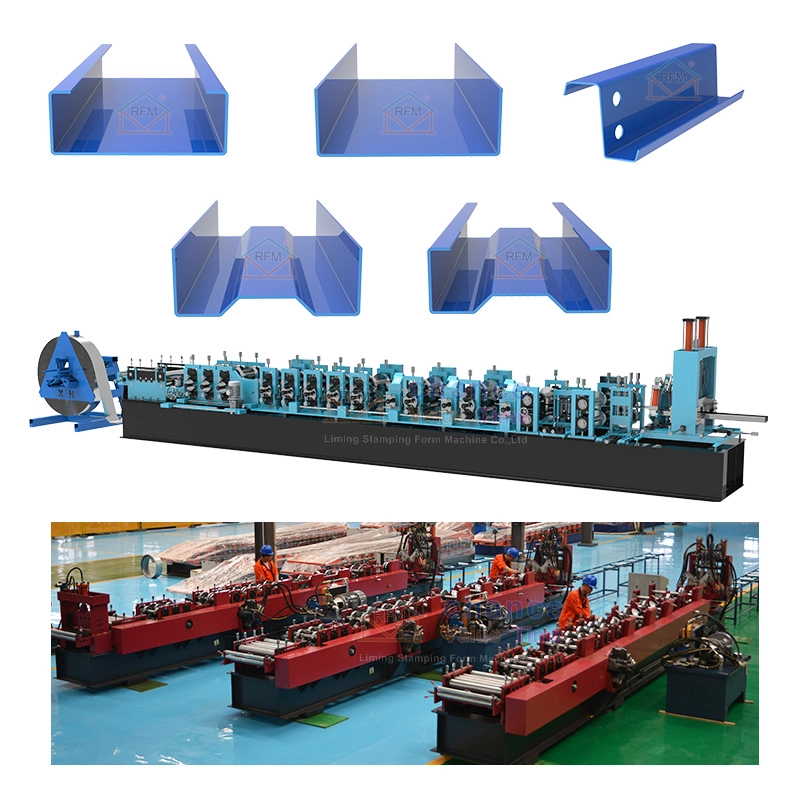
Define the Finished Purlin First
A buyer should begin with the finished product rather than the machine price. A complete technical package should define the cross-section, dimensions, material, holes, finished length, and tolerances.
Confirm the Profiles and Size Range
The buyer should provide drawings for every C, Z, U, or custom profile. Each drawing should show the web height, flange width, lip size, bend angle, radius, hole positions, and finished length. Cold-formed steel design references cover both lipped C-sections and lipped Z-sections, but each project can use different dimensions.
Specify the Steel and Coil Data
The buyer should provide the steel grade, yield strength, tensile strength, thickness range, coating, and thickness tolerance. High-strength steel can create greater springback, so the tooling and machine structure must match the actual mechanical properties.
Choose the Correct Machine Type
The right machine type depends on the product mix, batch size, changeover frequency, available labor, and investment plan.
Compare Dedicated and Adjustable Machines
A dedicated C or Z line suits a factory that produces one profile family in long batches. A manually or semi-automatically adjustable line suits a factory that changes sizes infrequently.
Evaluate an Automatic C Z Purlin Roll Forming Machine
An automatic C Z purlin roll forming machine suits mixed orders, short batches, and frequent profile changes. The buyer should confirm whether the machine adjusts the forming width, converts between C and Z profiles, repositions punching units, stores recipes, and controls the cutter.
The buyer should request an unedited changeover demonstration. The test should begin with the final accepted product from one order and end with the first accepted product from the next order.
Calculate Real Production Capacity
A catalogue speed cannot represent the complete production cycle. Punching, cutting, coil loading, order changes, and finished-product handling all affect actual output.
Separate Forming Speed From Finished Output
The buyer should calculate the required monthly tonnes or linear metres, available shifts, average length, hole quantity, and changeover frequency.
Real shift output = available production time − loading time − changeover time − punching and cutting delays.
Review the Complete Line
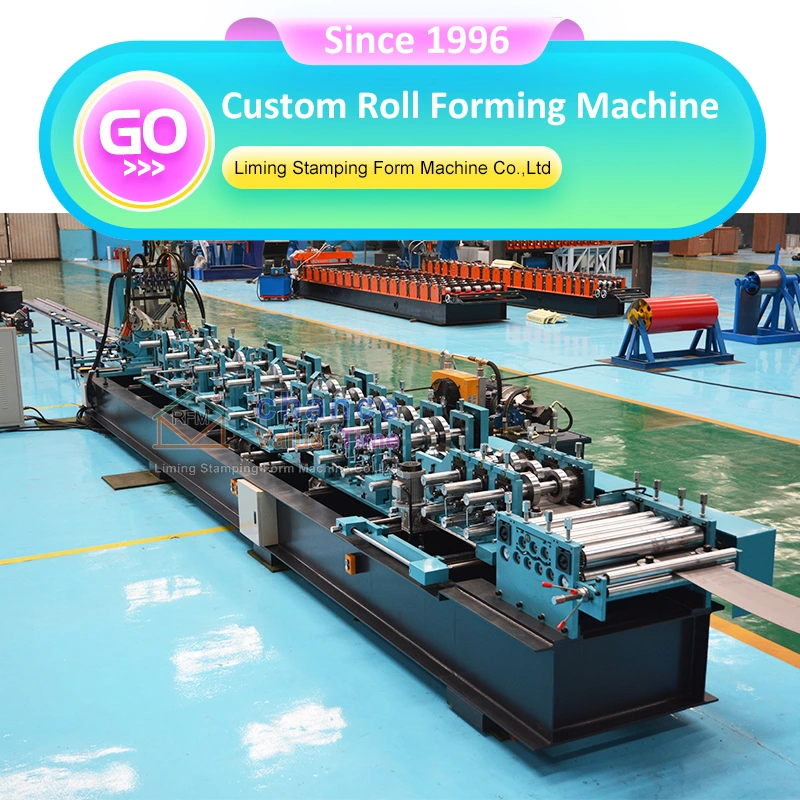
A complete line can include an uncoiler, guide, leveler, servo feeder, punching press, forming mill, cutter, run-out table, and stacker. The discharge system should support the longest and heaviest purlin without bending or mixing orders.
Compare Punching and Cutting Systems
Define Every Hole and Notch
The buyer should provide the hole diameter, slot dimensions, spacing, web or flange location, end distance, pattern sequence, and positional tolerance. The control system should store a hole recipe for each product.
A pre-punching system processes the flat strip before forming, while a post-punching system processes the formed section. The correct layout depends on profile geometry, hole access, deformation risk, output, and accuracy.
Compare the Cutting Options
A pre-cut system cuts the flat strip before forming, while a post-cut system cuts the completed profile. A stop-to-cut system pauses the line, while a synchronized flying cutter follows the moving profile.
The buyer should compare end deformation, burr, length accuracy, tool changes, and real cycle speed. The buyer should also confirm whether every approved profile requires the same cutter or a separate tool.
Evaluate Forming Engineering and Automation
The buyer should evaluate the machine’s engineering rather than compare only motor power, shaft diameter, or station quantity.
Review the Forming Pass Design
A roll forming line creates the section through progressive bends. The forming sequence, pass angles, station spacing, material properties, and springback compensation influence profile quality. Research on C-channel forming shows that springback and longitudinal strain require careful process design.
Check Control Functions
The control system should manage profile dimensions, length, quantity, hole patterns, cutting cycles, alarms, and permissions.
Define Quality, Factory, and Safety Requirements
The contract should replace vague claims such as “high precision” with measurable acceptance criteria.
Establish Product Tolerances
The buyer should define tolerances for web height, flange width, lip size, bend angle, length, hole position, straightness, camber, twist, burr, and coating damage.
The acceptance test should cover the smallest and largest profiles, the thinnest and thickest materials, both C and Z products when applicable, and representative punched products.
Confirm Installation and Safety Conditions
The machine should include documented risk assessment, suitable guards, emergency stops, electrical protection, and unexpected-start prevention. International standards establish principles for machinery risk reduction and industrial machine electrical equipment.
Compare Quotations and Verify the Supplier
Two prices are comparable only when both quotations cover the same profiles, materials, functions, output conditions, tolerances, and delivery responsibilities.
Calculate the Complete Project Cost
The installed project cost should include the machine, tooling, uncoiler, punching dies, cutter, discharge equipment, freight, import expenses, factory preparation, installation, training, and test material.
Estimated payback period = total installed project cost ÷ expected monthly net production benefit.
Require Evidence and a Factory Acceptance Test
A capable supplier should request drawings, material data, coil information, hole layouts, output targets, tolerances, and local electrical conditions before issuing a final proposal.
The factory acceptance test should define the material, profiles, hole patterns, quantities, speed, measurements, tolerances, safety checks, and actions after a failed test. The buyer should not approve shipment until the agreed results are documented. The test should use production material that represents the contracted thickness and strength range.
Final Buying Checklist
- The buyer should approve every product drawing.
- The buyer should define the complete material range.
- The buyer should calculate output with punching and cutting.
- The buyer should confirm every changeover step.
- The buyer should compare identical quotation scopes.
- The buyer should approve a measurable acceptance plan.
FAQ
Can One Machine Produce Both C and Z Purlins?
An interchangeable line can produce both profiles when the forming stands, adjustment system, punching units, and cutter support the approved range. The buyer should verify the complete conversion process.
What Information Is Required for an Accurate Quotation?
The buyer should provide profile drawings, material grade, thickness, coil data, hole patterns, lengths, tolerances, output, voltage, and destination.
Is a Fully Automatic Machine Always the Best Choice?
A fully automatic machine provides the greatest value for frequent size changes and mixed orders. A dedicated or semi-automatic line can provide a more economical solution for long batches of stable profiles.
Request a Custom Purlin Production Solution
Hebei Liming states that the company has 28 years of experience in roll forming machine design, development, and manufacturing, and the company offers customized equipment and international support. The company’s purlin range includes automatic adjustable CZ equipment, automatic size-changing C-profile equipment, and configurations for different profile and material requirements. Buyers can send their drawings, steel specifications, hole layouts, output targets, voltage, and destination to request a tailored proposal and quotation. Contact Hebei Liming today to discuss your production requirements and receive a machine configuration designed for your specific purlin profiles.