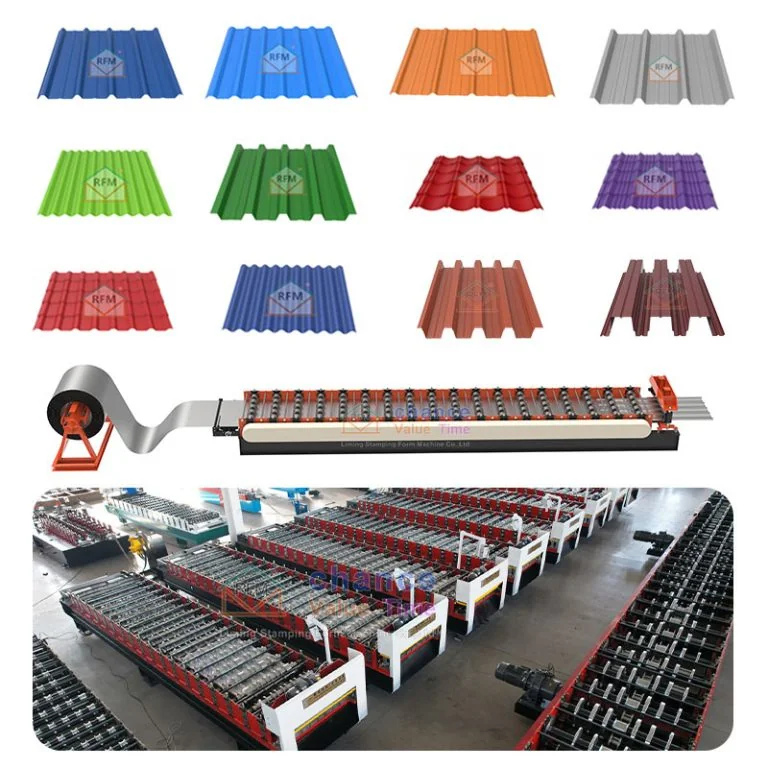
Choosing a roof panel roll forming machine starts with the panel that must come off the line, not with a broad label such as “metal roofing.” Two profiles can look similar in a product photo yet differ in rib geometry, coverage, side lap, or the way the finished sheets meet. Those details affect the tooling discussion and the buyer’s drawing review. A useful first comparison places the finished cross-section, coverage requirement, lap detail, and coil specification on the same page.
This article focuses on matching a defined panel profile to a machine discussion. It complements the existing broad line-scope discussion by staying with cross-section and material decisions rather than repeating a general equipment list. Exact tooling, capacity, and supported material ranges depend on the specific model and order; a category name or sample image cannot confirm them.
Read the cross-section before comparing equipment
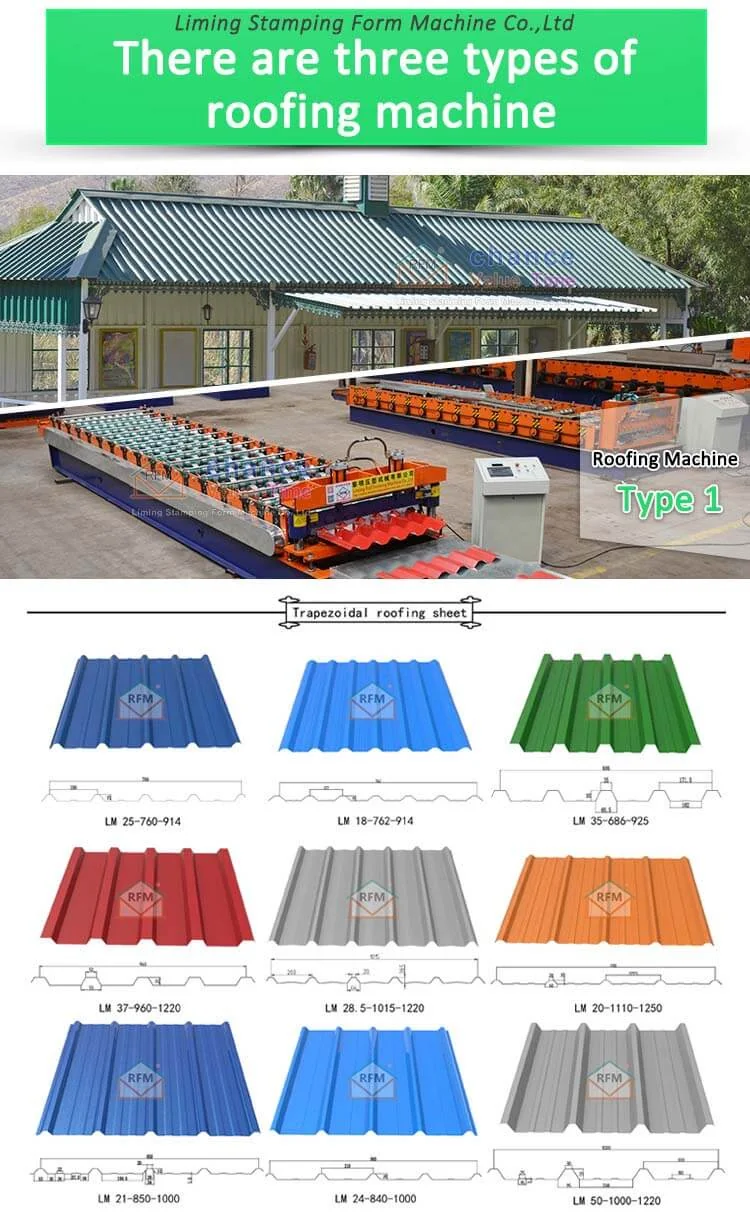
Start with a dimensioned drawing of the finished panel. It should identify the overall profile, rib or corrugation geometry, important bends, and any return or seam detail. Include the drawing revision and note which dimensions are critical for the project. A reference photo can help explain the intended appearance, but it should not replace dimensions when the machine is being evaluated.
The drawing helps separate profile families that are often grouped under broad terms. A trapezoidal sheet, corrugated panel, tile profile, and standing seam panel are not interchangeable machine descriptions. Even within a family, rib spacing and height can change the forming rolls and final sheet shape. If more than one panel is planned, show each profile separately and identify which one matters first.
Hebei Liming’s roofing machine range lists the relevant product family, while the metal roofing machine product information provides a product-specific reference. Neither page should be read as confirmation that one machine forms every profile shown or that a pictured configuration matches a buyer’s drawing. Ask for the applicable model and configuration to be confirmed against the proposed section.
Separate feed width from finished coverage
Feed width describes the material entering the forming process; effective coverage describes the area covered after adjacent panels are joined or lapped. The two values answer different questions. A buyer who provides only the finished roof width may leave the supplier without the coil input dimension needed to assess the proposed profile. A buyer who provides only coil width may leave the project team unsure how much installed coverage each panel provides.
Use the panel drawing and the roof layout to state both values where they are known. Show how the side lap or seam affects the installed coverage, and identify whether the figure is a nominal panel dimension or the net coverage after installation. This prevents a panel’s overall width from being mistaken for the roof area it will cover.
The Metal Construction Association’s metal roofing resources distinguish roof types and panel forms, including vertical seam designs and panels made to resemble other roofing materials. That overview is useful for choosing the right vocabulary, but it is not a machine specification or a substitute for project drawings. The actual panel-to-panel relationship must come from the selected system details.
Show the lap and end detail
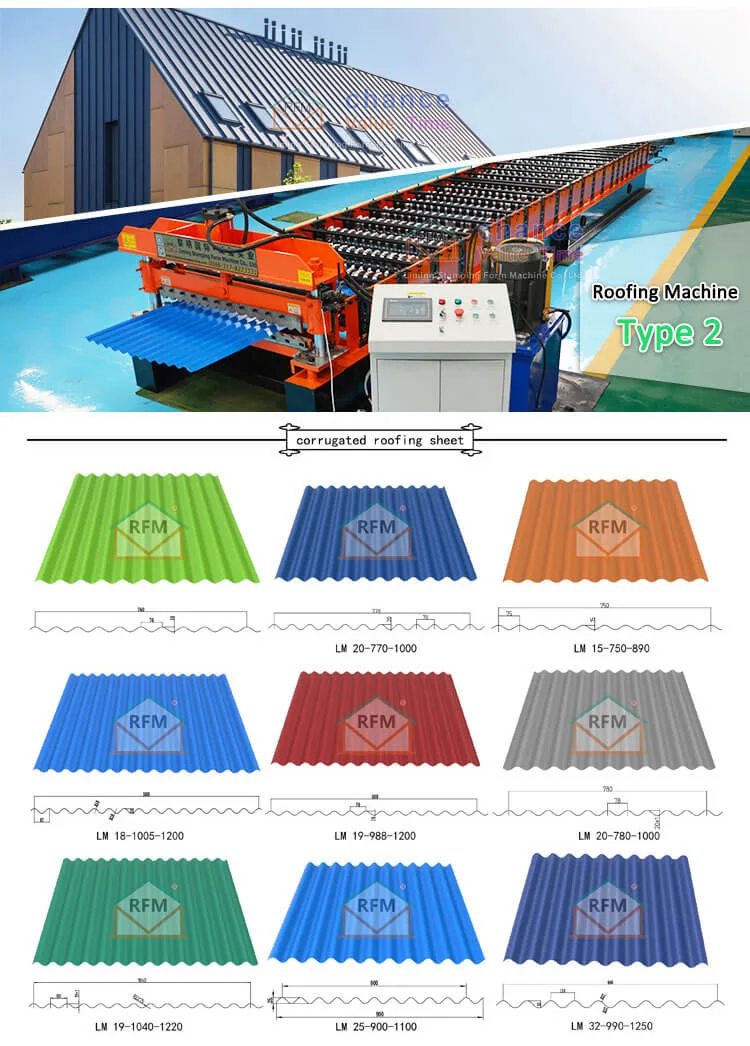
Side laps, seams, and end conditions deserve their own detail in the drawing set. Mark which panel edge overlaps or connects, how the adjacent section is oriented, and the visible dimensions at the joint. If the roof uses a mechanically formed seam or a specific closure, name it and provide the corresponding design detail. Avoid assuming that the word “standing seam” describes one universal geometry.
Where available, include a pair of adjacent panel sections or a small assembly sketch. It can show how the lap affects cover width and where the profile is expected to meet. A single isolated cross-section may not make that relationship clear. For projects involving flashings or transitions, show those as separate components and confirm whether they are part of the forming equipment scope.
The goal is to connect the forming output to the intended panel joint. Roof design, installation, weather performance, and code compliance remain system-level decisions. A roll forming machine produces a profile; it does not by itself approve the roof assembly or establish that a chosen lap meets local project requirements.
Identify the material behind the drawing
A profile drawing should be paired with the coil specification. State the material type or applicable purchasing standard, nominal thickness, coating or finish, and incoming coil width. If the project may use more than one material, list each separately and identify which one is planned for the initial run. The machine discussion can then be tied to a defined input rather than a generic phrase such as “color steel.”
ASTM A924/A924M covers general requirements for metallic-coated steel sheet, while ASTM A792/A792M addresses 55% aluminum-zinc alloy-coated steel sheet. These standards identify different material scopes; mentioning them does not imply that any particular machine complies with them. The buyer should name the applicable material and confirm the actual feed range for the model under review.
Thickness alone does not fully describe a coil. The coating, grade, finish, and project specification can also matter. Provide the relevant certificate or purchasing designation through the established project process if the equipment review requires it. Avoid assuming that a machine’s suitability for one material automatically covers another material family or every thickness within a broad advertised range.
Check a representative panel pair
Before finalizing the selection, use one representative panel drawing and, where practical, a pair of adjacent panels to review the formed profile and joint. Confirm the dimensions that matter, how the lap is measured, and how the effective coverage is derived. Keep those values tied to the same drawing revision and material basis. If the trial or sample is not available, state which points remain subject to confirmation.
For a machine trial, the project should use the intended material when possible and compare the formed sample with the agreed drawing. The customer’s roll forming inspection guidance includes checks for actual material, profile dimensions, and retained agreed samples; it is a general inspection reference, not a roof-panel-specific tolerance or a universal acceptance rule. Agree the applicable criteria for the model and order before describing a sample as accepted.
The review should keep three questions distinct: does the sample match the intended profile, does the panel pair produce the planned lap and coverage, and does the roof assembly meet the project’s design and code requirements? The first two concern the forming output. The third belongs with the roof designer, specifier, and applicable project approvals.
Keep machine selection and roof approval separate
The machine inquiry can be specific without claiming to settle the whole roof design. Send the panel cross-section, drawing revision, target coverage, side-lap detail, and coil specification. Add the expected production profile or profiles and identify which one is the priority. Those inputs give Hebei Liming a concrete basis to discuss the relevant roofing equipment and the model-specific configuration.
Before ordering, record what has been confirmed and what remains open: tooling for the drawing, material range, trial basis, and any accessories or scope items. Buyers can discuss the panel drawing and coil specification with Hebei Liming before settling the order scope. Roof-system approvals, installation instructions, wind or weather performance, and local code requirements should be confirmed with the responsible project professionals and documented separately from the machine order.
Frequently asked questions
Is panel width the same as effective coverage?
No. Overall or feed width and installed coverage can differ because of the panel’s shape and side lap. Provide the input coil width and the net coverage requirement separately, then show how the joint is defined on the drawing.
Can one roofing machine form every panel profile?
That cannot be assumed from a general category or a product image. Profile geometry and tooling are model-specific. Confirm the selected configuration against each drawing, and treat additional profiles as separate requirements until verified.
Does a formed sample approve the roof system?
No. A sample can help review the machine’s output against the agreed profile and lap detail. Structural design, installation, code compliance, and roof-system performance require their own project review and approvals.