A welded pipe mill RFQ is easier to answer when it describes the finished tube before asking for an equipment price. “Round and square tube” can open the conversation, but it leaves the material, product sizes, inspection requirements and supply boundary up in the air.
The first enquiry does not need to read like a finished engineering specification. Hebei Liming needs to see what the factory expects to make first, what material will arrive at the line and which work the quotation should cover. A few decisions may still be open; that is fine, as long as they are visible.
Describe the finished tube before listing equipment
Start with a product schedule. For each tube, give the section shape, outside dimensions, wall thickness and finished length, with a drawing reference where available. Keep units consistent. A size range adds context, while separate rows for regular products show what the line is actually expected to make.
The end use belongs beside those dimensions. A buyer ordering a component for a later fabrication process may have different questions from a buyer making tube to a specified finished-product standard. Name that requirement rather than leaving the equipment discussion to infer it from the word “pipe.”
For example, ASTM A513 addresses electric-resistance-welded carbon and alloy steel mechanical tubing. It is not a blanket specification for every welded tube application. The applicable standard, edition and any additional customer requirements should be identified for the actual product. Referring to a standard in an RFQ does not establish that a proposed machine or finished tube meets it.
When a detail is not settled, show the current working requirement and label it open. That gives the supplier something concrete to discuss without letting a provisional value slip into the quotation unnoticed.
Identify the material and incoming strip
“Steel” is too broad to serve as the material schedule. Add the available grade, thickness range, finish or coating and strip details. If the factory plans to run several grades or thicknesses, show which finished tubes go with each one.
Say what the factory expects to buy as feedstock and where any preparation will happen. If coil handling or strip preparation is part of the discussion, include the coil dimensions and weight available. If that work sits outside the proposed supply, state what condition the strip will be in when it reaches the line.
Separate confirmed values from estimates here. The finished-tube drawing may be settled even while the source of slit strip remains undecided. Keeping those two states visible makes the open question easier to resolve and avoids overstating how complete the RFQ is.
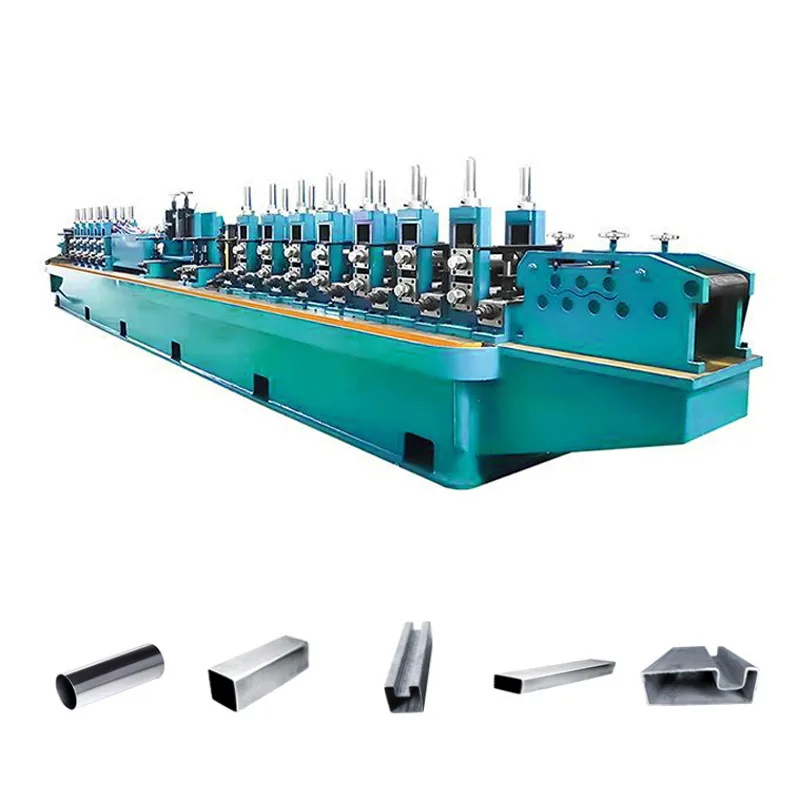
The listed Hebei Liming welded pipe mill includes a feeding device supplying material to the forming unit and a device for cutting the formed welded pipe to a set length. For a specific project, the quotation should connect those functions to the buyer’s material and finished-product schedule.
Separate dimensional checks from weld requirements
“Good quality” is difficult to use as an acceptance entry. Split the discussion into what will be measured on the tube and what is required of the weld.
For dimensions, identify the section measurements, wall thickness, length and other drawing-controlled features that matter. Give each one a permitted variation and a measurement reference. A tolerance copied from another profile or a generic brochure may not fit the product being quoted.
Weld requirements need their own discussion. Name the product specification and any inspection or testing required by the order. If a method is already selected, include its reference and the records the buyer expects. If not, say who will decide and when the equipment proposal needs that answer.
Ask which inspection activities, instruments or testing equipment are included, optional or outside the supply. A finished-tube requirement does not automatically mean that the related machine or test equipment is included. This is one of the items the quotation should answer plainly.
Set out the line boundary and downstream work
The word “complete” needs an equipment list beside it. What enters the proposed line, and what leaves it? A useful RFQ names those two points before describing the operations between them.
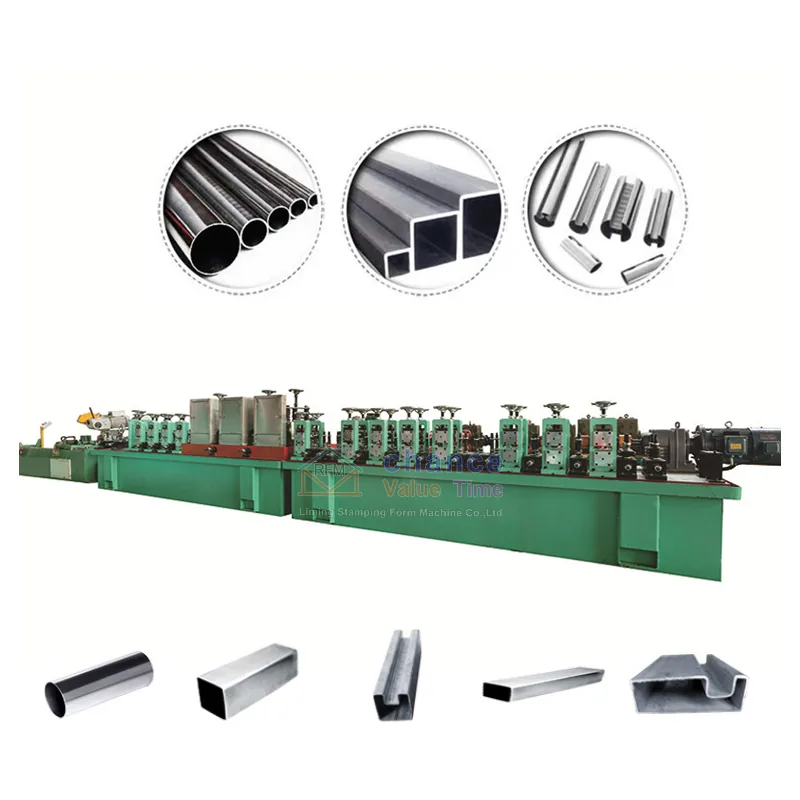
When discussing the pipe-mill product range, list the functions required for the project and ask which are part of the proposed configuration. Keep forming, joining, cutting and any inspection requirements visible in the scope discussion. Additional work after the tube is cut should be identified separately, with responsibility assigned.
Add the factory layout information available so far: space, material flow and known utility conditions. Unconfirmed site figures can remain open, but listing them helps separate the equipment price from site work or supporting services that may need separate arrangements.
A simple scope table helps when several people are reviewing the same quotation:
| RFQ item | Buyer information | Response needed in the quotation |
| Incoming material | Material reference and incoming condition | Agreed entry point and supply boundary |
| Finished tube | Drawing, sizes and intended use | Products addressed by the proposed configuration |
| Inspection | Dimensional and weld requirements | Included activities, equipment and exclusions |
| Cut product | Length and end requirements | Proposed cut-to-length scope |
| Downstream work | Required operations after cutting | Included, optional or arranged separately |
Make the product mix part of the quotation
The largest and smallest sizes rarely tell the whole story. Include the regular products, expected batch sizes and likely order sequence. Estimated volumes should be labelled as planning figures, not firm output commitments.
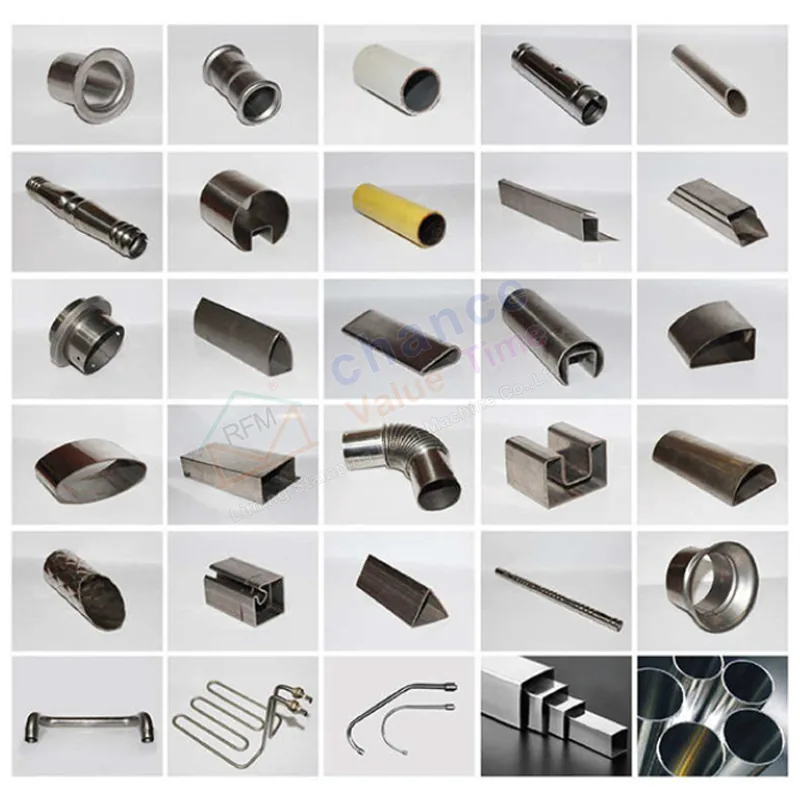
If product changes are expected, compare two representative orders. What changes between them: material preparation, settings, tooling or the checks before the next batch? The answer needs to match the configuration being quoted. A gallery of different tube shapes cannot show that one setup will cover them all.
Future products can be mentioned, with a separate note that they are not part of the confirmed starting range. That leaves room to discuss later expansion without widening the current quotation by implication. For production targets, state the target and ask how it applies to the specific product, material and operating conditions.
Send a concise RFQ to Hebei Liming
The first enquiry can remain short while carrying the information needed for a technical discussion:
- Finished-tube schedule and current drawing revisions.
- Intended use and applicable finished-product requirements.
- Material grades, thicknesses and incoming strip details.
- Expected product mix, batches and production targets.
- Dimensional checks, weld requirements and required records.
- Proposed line boundary, downstream work and site conditions.
Keep open items in one place. When an answer changes, update the drawing or schedule it affects; otherwise the quotation and product definition can drift apart.
To send Hebei Liming the finished-tube details for an RFQ discussion, lead with the products planned for the first orders and the decisions still under review. That gives the quotation a practical starting point, with the remaining technical questions visible to both sides.