
A roller shutter door machine enquiry often starts with a slat drawing and a required production length. For a door manufacturer, there is another question to settle early: how will the trial slats fit together as a curtain? An individual profile can look close to the reference while leaving an assembly detail unresolved.
The useful starting point is the product the factory plans to sell. Bring the slat section, its mating detail and the intended material into the same discussion. Then agree what the machine trial should demonstrate, from the first formed piece to the assembled sample.
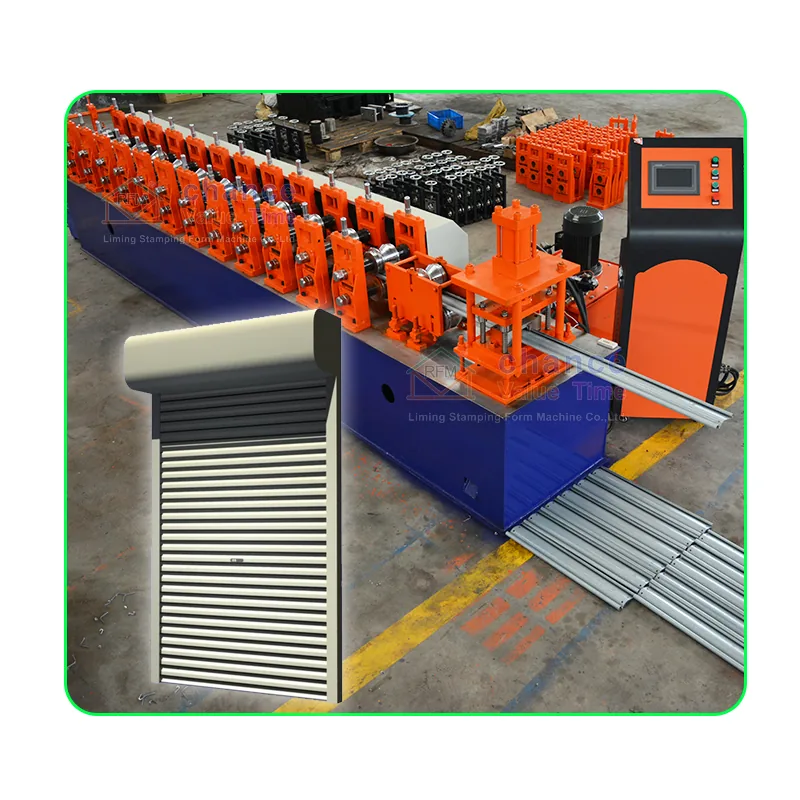
Start with the slat drawing and its matching parts
The overall width and depth are only part of a slat reference. The edges that connect one slat to the next deserve a clear detail on the drawing, including the dimensions and tolerances the buyer intends to use. Keep the drawing revision visible. If a physical sample accompanies it, say whether it is approved, for reference only or taken from an existing door.
Any matching components used in the proposed assembly should have their own references. Where the design calls for end pieces, a bottom section or other parts, show which ones belong in the trial. This is more useful than asking for a profile that is simply “the same as the photo.”
For a new enquiry about Hebei Liming’s roller shutter roll forming machine, keep that product definition beside the equipment discussion. The listed forming section uses multiple forming wheels to cold-form the sheet into the required shutter profile. Which drawing and material the proposed configuration will address still needs to be agreed for the order.
Check the interlock as an assembled curtain
A rolling-door curtain consists of interlocked slats. That makes assembly a sensible part of the trial discussion, alongside measurements on individual pieces.
Before the pieces are run, agree how they will be joined and what counts as a good fit. A note that identifies the edge or length in question is easier to act on than “too tight.”
Once several slats are joined, movement and alignment questions become easier to see. That sample still says nothing by itself about a complete door, its guides or its operating arrangement. Those checks belong in a separate plan with the responsible door specialist.
The sample count depends on what the trial is meant to show. A few pieces may be enough to compare the section and joint; a representative finished length may be needed for a different check. The trial plan can name those aims without turning one sample count into a rule for every order.
The trial should use the specified coil throughout
Keep the material reference with the drawing: grade, nominal thickness and surface finish, where those details are known. If the order includes more than one material, list the slat associated with each one. A single broad description can blur which combination the trial actually covered.
Using the intended production strip gives the trial a result the factory can relate to the planned order. If a substitute is necessary, name it before the run. The result then stays tied to the material actually tested instead of being treated as approval for a different combination.
Surface appearance deserves its own check on the finished slat. When a mark appears, note whether it was present before handling or showed up afterwards. A photo can help when the location or shape is awkward to describe.
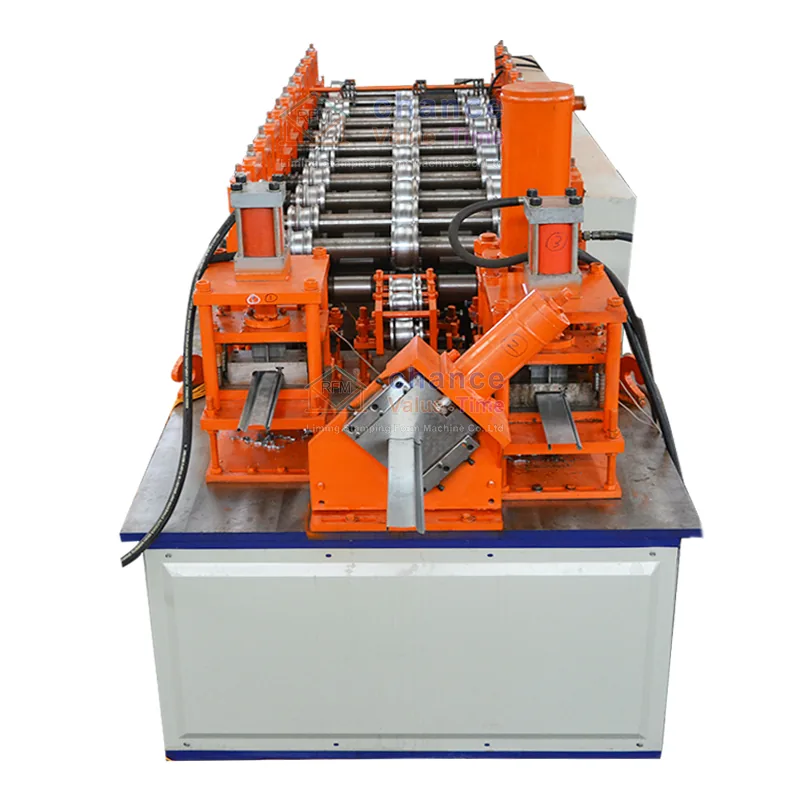
Review the cut ends and finished slat length
“Cut to length” leaves a few practical questions open. The RFQ should give the nominal length, its permitted variation and where that length is measured from.
The cut end deserves a separate look. Its shape, visible burrs and any local deformation can be compared with the agreed order criteria. If another operation comes before assembly, the quotation also needs to say who handles it.
Compare the interlock near the cut with a section farther along the slat. If they differ, record where it happens and what the difference looks like. The cause can be discussed with the machine team once the observation is clear.
Long slats can behave differently once they are supported and moved. Include those handling conditions in the receiving check. A short piece remains useful for comparing the profile, but it cannot show everything about a full production length.
Define what the machine quotation covers
Keep the slat itself distinct from the later door assembly. The quotation can name the section, material and cut-length requirement, then show which other operations need a separate discussion.
When reviewing shutter slat forming equipment and profile examples, use the pictures to explain the requested part. A gallery containing several shapes does not, by itself, define what one proposed machine will make. Each required cross-section needs a configuration-specific answer. Buyers still framing the broader equipment choice can also refer to the roller shutter machine selection guide; the checks here focus on the slat trial and its fit before production.
Changing the cut length does not mean changing the slat profile. A second section belongs in the same enquiry only when its drawing is available. The proposal can then say what tooling, adjustments and trial checks it covers. Later products are better kept on a separate list so an early budget figure is not read as a wider capability promise.
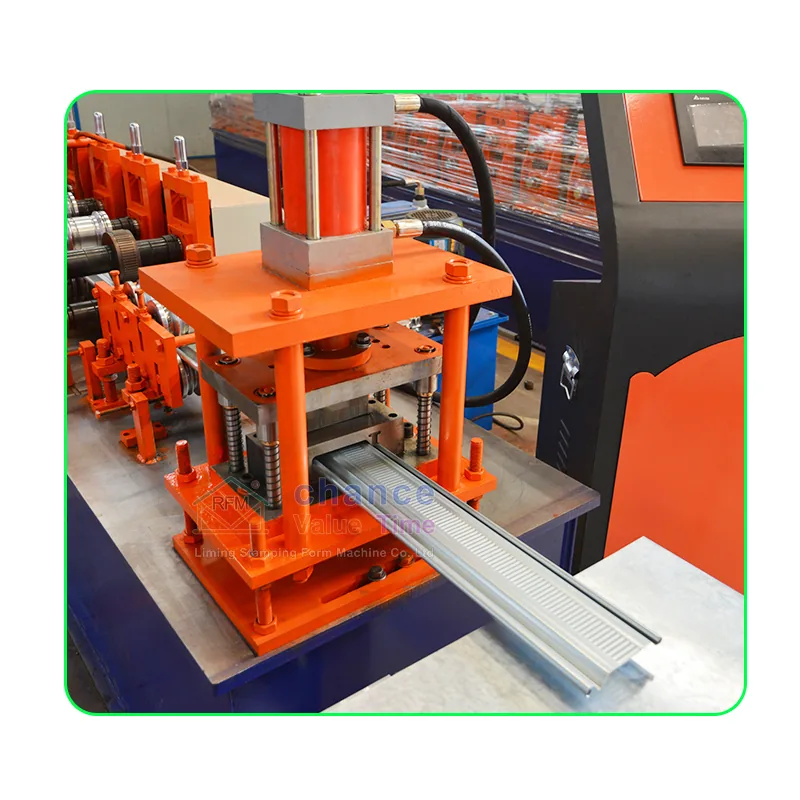
Prepare a practical trial review record
A short trial note is enough if it captures what was actually checked. Keep the drawing revision, section measurements and mating edges together. Add the material used, any substitution, the joined-slat fit and the cut condition of the finished piece. The quotation can carry the remaining questions about included products and operations.
Keep the retained sample with the unresolved points from the review. A measured result, a proposed adjustment and an accepted result are different things; separating them prevents a suggestion from being mistaken for approval.
To share the slat drawing and trial requirements with Hebei Liming, send the current section reference, material, matching parts and required lengths. With those details on hand, the machine discussion can focus on the proposed configuration and what the trial still needs to prove.