A metal roof tile making machine is a production line that turns metal coils into roofing tiles, corrugated roof sheets, glazed tile panels, and custom roof profiles. New factory owners often compare metal roof tile production cost in 2026 with labor cost, raw material usage, output capacity, and long-term return. Buyers also need to understand how to choose a metal roof tile making machine before they invest in a new roofing sheet production business.
This guide explains the machine structure, working process, commercial benefits, cost factors, factory setup points, and buying criteria for beginners.
What Is a Metal Roof Tile Making Machine?
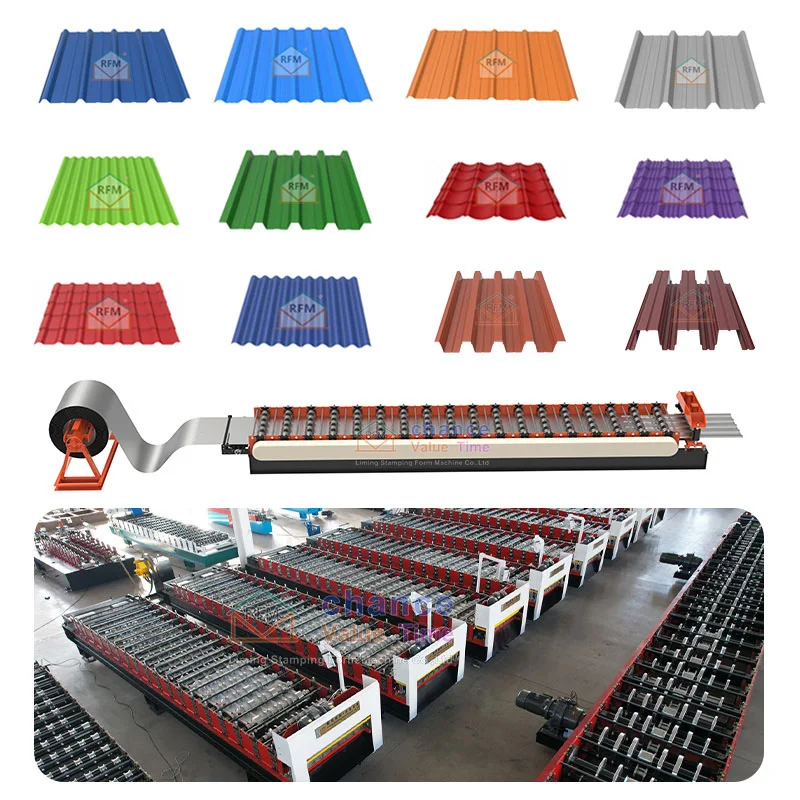
A metal roof tile making machine is roll forming equipment that shapes flat metal coil into finished roof panels. The machine uses continuous forming stations, a cutting system, and a control system to produce panels with stable length, width, and profile shape.
Simple Definition for First-Time Buyers
The machine receives metal coil from a decoiler and feeds the strip into a roll forming section. Each roller station bends the material step by step until the final roof profile appears.
The machine then cuts the formed panel to the required length. The finished panel can be used for industrial plants, warehouses, commercial buildings, farm structures, residential roofs, and steel structure projects.
What Products Can the Machine Produce?
A metal roof tile making machine can produce several common roofing products:
- Corrugated roof sheets
- Glazed metal roof tiles
- Trapezoidal roof sheets
- Ribbed roofing panels
- Custom roof profiles
- Color-coated metal roofing sheets
The final product depends on the roller design, coil width, material thickness, pressing system, and cutting system. A buyer should confirm the target roof profile before the machine design begins.
Who Usually Uses This Machine?
Building material factories use this machine to produce roofing sheets in bulk. Roofing sheet suppliers use this machine to serve local contractors and construction projects. Steel structure companies use this machine to control project delivery time and panel quality.
New factory owners also choose this machine because roof sheets usually have stable demand in industrial construction, agricultural construction, commercial roofing, and infrastructure projects.
How Does a Metal Roof Tile Making Machine Work?
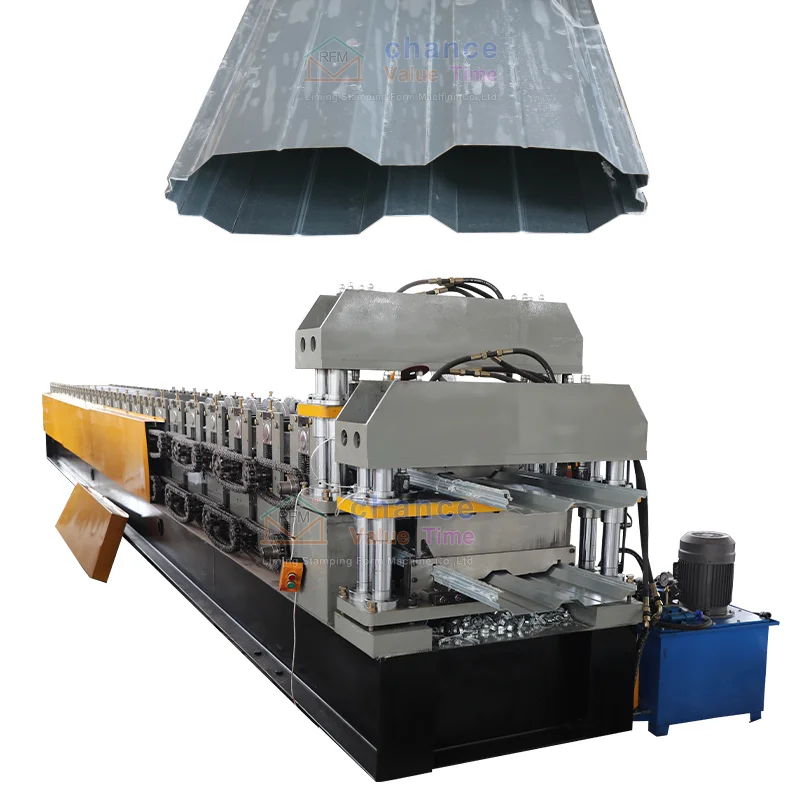
A metal roof tile making machine follows a continuous production process. The full line usually includes decoiling, feeding, roll forming, pressing, cutting, output, and stacking.
Step 1: Coil Loading and Decoiling
The production process starts with metal coil loading. The decoiler supports the coil and releases the strip into the machine.
Stable decoiling helps the material enter the forming line smoothly. Good coil feeding also helps reduce surface scratches, side deviation, and production interruption.
Step 2: Feeding and Guiding
The feeding device guides the metal strip into the forming section. The guide system keeps the material in the correct position before forming begins.
Accurate feeding is important because small alignment errors can affect panel width, edge shape, and final installation quality.
Step 3: Roll Forming Through Multiple Stations
The roll forming system is the core part of the machine. The metal strip passes through many roller stations, and each station makes a small forming change.
This gradual forming process helps the machine produce consistent rib height, wave shape, panel width, and surface appearance. The process is suitable for long-length roof panels because it can form the material continuously.
Step 4: Pressing and Cutting
A glazed tile machine usually includes a pressing device. The pressing device creates the step-tile pattern that gives the roof panel a decorative tile appearance.
The cutting system cuts the finished panel according to the required length. Accurate cutting reduces material waste and helps panels fit better during installation.
Step 5: Output and Stacking
The finished panels leave the cutting section and move to the run-out table or automatic stacker. Manual stacking is suitable for small output. Automatic stacking is more suitable for high-volume production.
Clean stacking helps protect the coating surface and improves loading efficiency.
Benefits of Using a Metal Roof Tile Making Machine
A metal roof tile making machine helps factories improve production speed, product consistency, order flexibility, and cost control. The machine also allows roofing sheet suppliers to respond faster to local market demand.
Cost Savings and ROI of Metal Roof Tile Production in 2026
The cost savings of metal roof tile production come from stable output, reduced manual forming work, better material control, and faster order delivery. A factory can produce panels according to exact project lengths, so the factory can reduce unnecessary cutting and inventory waste.
The return on investment depends on several factors:
- Machine purchase cost
- Coil material cost
- Local roof sheet selling price
- Monthly order volume
- Labor cost
- Electricity cost
- Packaging and logistics cost
- Scrap rate
- Factory rent and overhead
A simple ROI calculation can use this formula:
Monthly gross profit = monthly sales revenue – coil cost – labor cost – electricity cost – packaging cost – factory overhead.
A buyer should not only compare the machine price. A buyer should also compare long-term production stability, forming accuracy, cutting quality, output capacity, and supplier support.
High-Quality Output and Customization Capabilities
A metal roof tile making machine can produce uniform panels when the roller design, frame structure, shaft strength, and control system are properly configured. Stable forming helps every panel keep consistent width, rib height, tile step, and surface quality.
Customization is another major benefit. A factory can produce roof profiles that match local building styles, installation habits, and customer preferences. Custom rollers can be designed according to drawings, sample panels, or project requirements.
This flexibility helps a factory serve different market segments. One factory may produce practical corrugated sheets for warehouses and decorative glazed tiles for commercial buildings.
Environmental Advantages of Metal Roof Tile Manufacturing
Metal roof tile manufacturing can support better material efficiency because the roll forming process shapes continuous coil material with controlled cutting. Accurate production can reduce scrap and unnecessary rework.
Metal roofing products also support sustainable building choices. Reflective roof surfaces can reduce heat absorption and help lower indoor cooling demand in suitable climates. Metal roofing materials can also be recycled after their service life, which helps reduce construction waste.
A factory that produces accurate panel lengths can also reduce jobsite offcuts. This benefit matters for contractors that need cleaner installation and better material planning.
Labor Efficiency and Production Stability
A metal roof tile making machine reduces dependence on heavy manual forming. Operators can set length, quantity, and batch data through the control system.
This automated process improves production stability. The factory can complete repeated orders with consistent specifications. This advantage is important when a project needs hundreds or thousands of panels with the same profile and length.
What Materials Can a Metal Roof Tile Making Machine Process?
A metal roof tile making machine can process suitable metal coils according to the machine design. Common raw materials include galvanized steel coil, color-coated steel coil, pre-painted steel coil, zinc-coated sheet, and aluminum coil.
The buyer should confirm the coil width, thickness range, material strength, and coating type before ordering the machine. A harder or thicker material usually needs stronger frames, suitable rollers, proper motor power, and accurate forming design.
Material mismatch can cause profile deformation, surface scratches, unstable forming, or higher scrap. Accurate material data helps the supplier design the right production line.
How Much Does a Metal Roof Tile Production Line Cost in 2026?
The total cost of a metal roof tile production line in 2026 includes more than the machine price. The buyer should calculate the full investment before starting production.
Main Cost Factors
The machine cost depends on profile complexity, forming stations, frame strength, roller material, cutting system, decoiler type, stacker type, PLC control system, and automation level.
A simple roofing sheet machine usually costs less than a customized glazed tile production line. A high-volume production line with automatic stacking and stronger configuration usually requires a higher investment.
Factory Setup Costs
A new factory owner should also prepare the workshop, power supply, coil storage area, finished panel area, packaging zone, lifting equipment, and operator training plan.
The buyer should also calculate shipping cost, import duty, local installation cost, and spare parts budget. These items affect the real metal roof tile production cost in 2026.
FAQ
What is a metal roof tile making machine used for?
A metal roof tile making machine is used to produce metal roof tiles, corrugated roof sheets, glazed tile panels, and other roofing profiles from metal coils.
What materials can the machine process?
The machine can process suitable galvanized steel coil, color-coated steel coil, pre-painted steel coil, zinc-coated sheet, and aluminum coil according to the machine design.
Hebei Liming has 28 years of experience in the design, development, and manufacturing of roll forming machines, and the company provides roofing machine, roof tile forming machine, cut to length line, slitting line, and other metal forming equipment with customized solutions for different production needs. A buyer can contact Hebei Liming to discuss roof profile drawings, coil specifications, factory layout, production speed, automation level, and quotation details before starting a metal roof tile production project.