
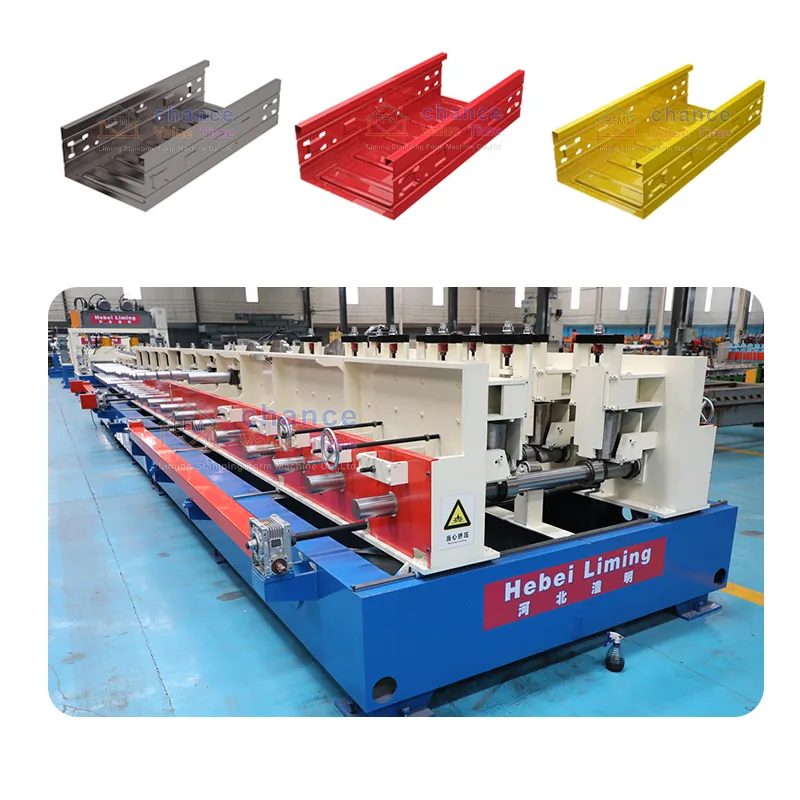
For a factory buying a cable tray roll forming machine, the difficult part of a product list is often the word “and.” One tray width and another. A regular hole pattern and an occasional variation. Short lengths and longer ones, sometimes using different steel. A quotation may list all of them without explaining the work between orders.
Two drawings can make that conversation much more useful. One represents a regular job; the other shows the product likely to follow it. With those drawings on the table, the discussion can move from a broad range of sizes to the adjustments, trial pieces and checks that the proposed line would require.
Define the part leaving the line
“Cable tray” needs a little explanation in an equipment enquiry. The buyer may mean a tray body, its cover, a ladder side rail or a component for a later assembly operation. The proposed scope should name the part that comes off the line.
A cross-section and a view of the holes along the length give that part a usable definition. Photographs are helpful for unfamiliar shapes and edge details, especially alongside a drawing revision. For a ladder project, separate drawings for the rails and rungs also leave room to discuss how they will be assembled and which operations belong in the quotation.
Hebei Liming’s cable tray making equipment provides a starting point for the enquiry. The next conversation should be about the buyer’s particular component. Does the proposed supply end at a formed rail, for example, or include other operations? That distinction deserves an answer before the equipment list is settled.
Separate width, hole pattern and cut length
Suppose the next order has a wider base but the same side height. On the drawing, that sounds like a small change. The buyer still needs an explanation of what changes in the proposed machine setup. Which adjustments are involved? Is any tooling replaced? What stock preparation is needed? These are questions for the actual configuration, rather than conclusions that can be drawn from a size range in a catalogue.
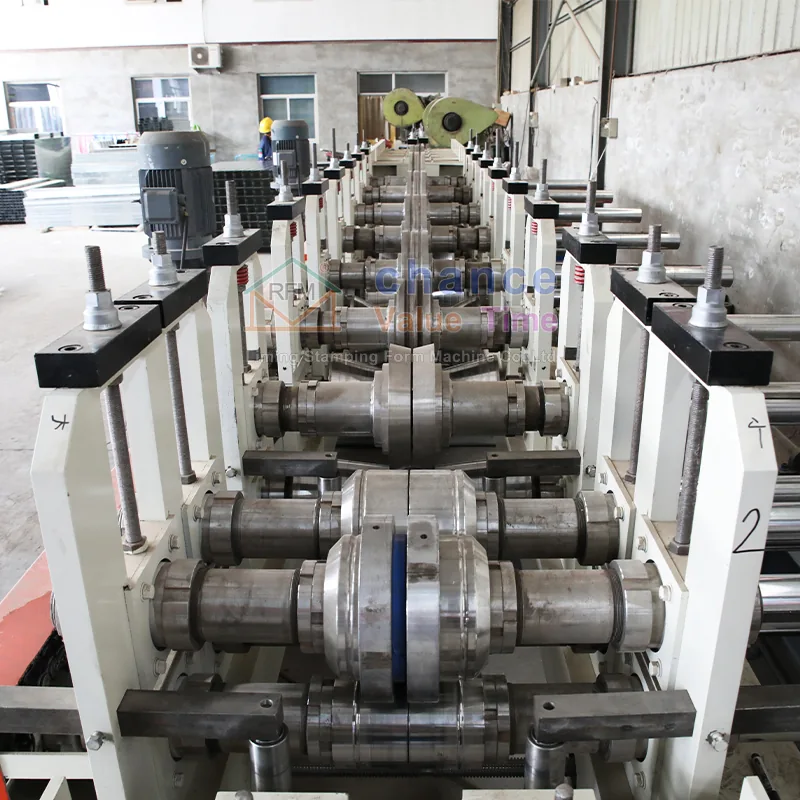
The hole drawing needs the same care. Hole size and shape are only part of it. Pitch, position across the strip, distance from the end and any unpunched areas also belong on the specification. A note saying “same holes” leaves too much open if their position changes relative to a bend or connection.
Cut length brings another question: what should the pattern look like at the finished ends? A connection detail can make this easier to explain than a length value alone. Where an end hole matters to assembly, its location should be visible in the drawing.
Material changes can otherwise get lost in this discussion. Alongside each product reference, list the steel grade, thickness and coating. A wider product made from different stock is a different trial proposition from a width change using the original material.
Walk through one changeover using two orders
Which two orders are worth comparing first? For a factory expecting repeated short batches, a routine product change may tell the buyer more than a demonstration covering the extremes of the size range. Both can be discussed, but the regular sequence deserves attention early.
The comparison can stay short:
| Item | Order A | Order B | Point to settle |
| Finished section | Drawing A | Drawing B | Dimensions and bends that change |
| Punching | Pattern A | Pattern B | Settings and tooling involved |
| Cut end | End detail A | End detail B | Position of the final hole |
| Stock | Material A | Material B | Material preparation |
| Release check | Sample A | Sample B | Checks before starting the batch |
The completed comparison is a prompt for a walk-through. Order A has finished; Order B is next. What happens to the remaining stock? What gets adjusted or exchanged? At what point is a trial piece ready to inspect? Following the proposed sequence in that order makes the jobs between production runs easier to see.
A time quoted for changing the setup needs a definition. Ask whether it ends with the adjustment or with an accepted B part. Material handling and inspection may still be outstanding when the mechanical work is finished.
There is room for future products in the enquiry as well. Giving them a separate label lets the supplier discuss the longer-term requirement while keeping the immediate production list clear.
Check the first piece against its drawing and connection
At first-piece inspection, the drawing becomes the working reference again. Width alone will not answer a question about side height or a bend detail. Mark the relevant measuring points beforehand, with a method and tolerance agreed for each. A recorded measurement then has a defined meaning when someone else reviews it.
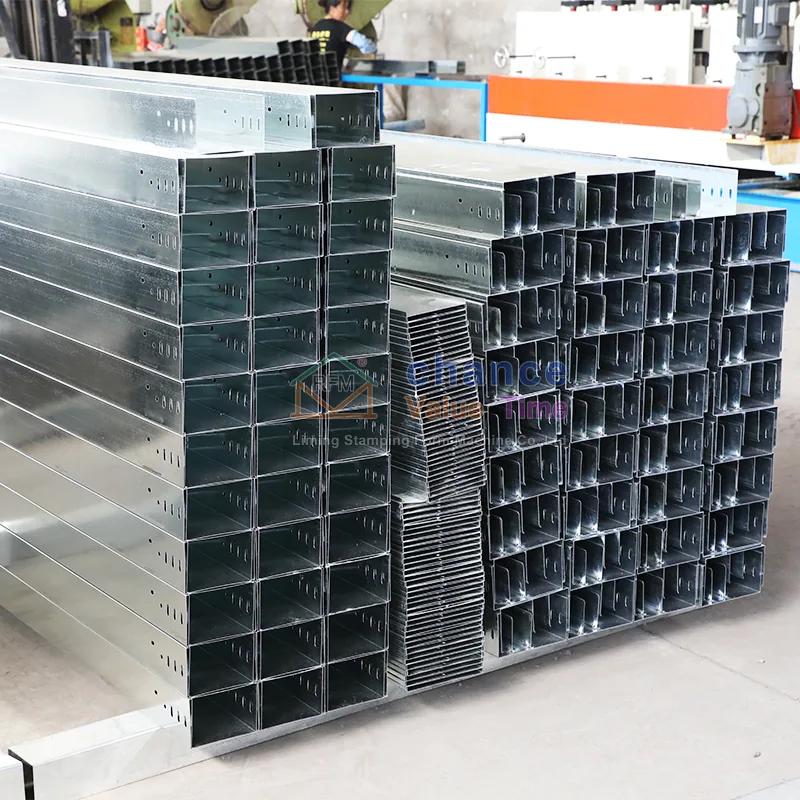
The sample also needs a straightness check. Discuss the reference surface and the way bow or twist will be assessed before the trial. The inspection concerns the finished length, so its appearance while passing through the rolls is only part of the observation.
Hole positions are easier to discuss when the drawing and the sample are side by side. Start with the features that matter to the connection, including the distance from the end and any holes near a bend. Trying the intended connector and fasteners is a useful addition. Should the part need rework before it fits, keep a note of what was done; the altered sample alone would leave that part of the trial undocumented.
The trial material should represent the planned production. For steel products, agree the grade and thickness and use the same production strip where practical. Any substitute should remain identified in the trial record; it should not quietly stand in for a different order material.
Cut ends need attention for burrs, tearing and flattening. There is also a handling check: how does the part reach the receiving support, and what condition is it in after being moved? The retained sample should represent the product after those operations.
Keep that sample with its drawing revision and inspection record. The reference is then available when a later batch, adjustment or disputed dimension needs to be discussed.
Put operating details beside the machine proposal
The broader cable tray machine selection considerations can now be reviewed against a defined product pair. Questions about manual adjustments, recalled settings and replacement parts have a specific job attached to them.
At handover, discuss the record that will accompany each setup. The factory may want product and material references alongside the tooling, settings and first-piece checks. There is no need for an elaborate form: the useful entries are those an operator or inspector will actually consult, including the current drawing revision.
For tool changes and access to the machine, the supplied operating and isolation instructions govern the work. Those instructions belong alongside the production information, rather than being inferred from a changeover description.
Bring a product pair to the equipment discussion
Two drawings, their material details and the intended connection parts make a useful first enquiry. Expected order quantities give the supplier context for the sequence of work. Any undecided dimensions can be marked as provisional, with accepted and future products kept distinct.
To discuss cable tray drawings and production requirements with Hebei Liming, begin with the differences between those two jobs. A clear proposal should make it possible to discuss what happens between them and how the next acceptable part will be recognised.