
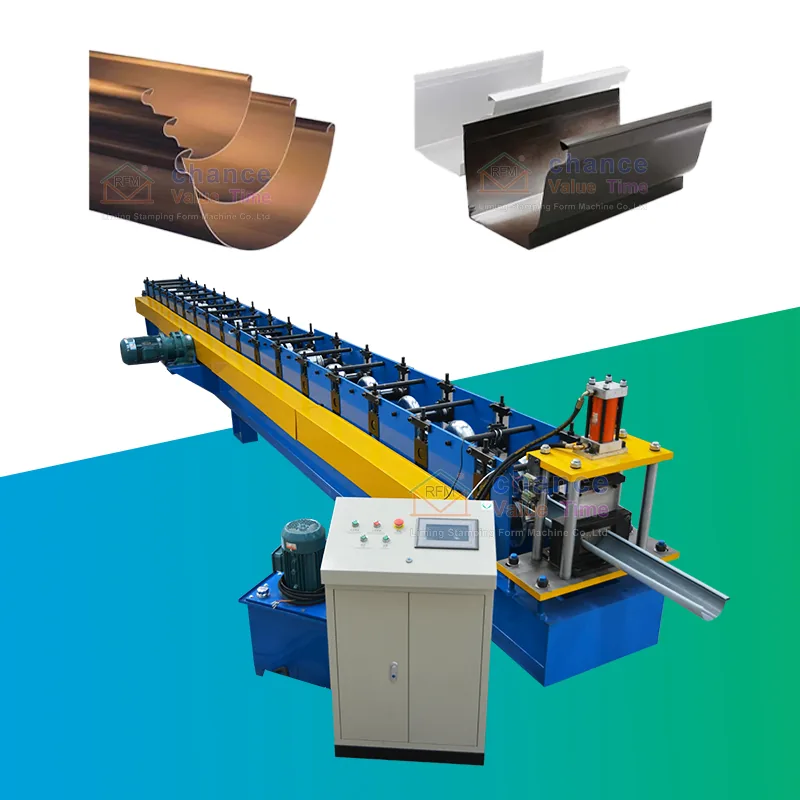
A factory may have a gutter sample, a drawing and a set of end caps ready when it starts discussing a gutter roll forming machine. It is worth bringing all three into the conversation. A familiar outline does not answer every question about the edge detail or the way the cap will sit on the finished section.
The machine trial is a chance to work through those details on an actual part. With the approved section and matching accessories available, the buyer can examine the result of forming, cutting and handling, then compare it with the product intended for sale.
Agree the section before discussing the setup
A section drawing gives the equipment supplier more to work with than an opening width and depth. Front and rear edges, bends and any returns or hems can be shown on it, with inside and outside dimensions clearly distinguished. The accessory supplier should have the same revision. Otherwise, the two discussions may be proceeding from different references.
A physical sample can help explain an awkward edge detail. Before it is used, label what it represents. An approved sample and an old piece taken from a roof serve different purposes. Any damage or later alteration to the old piece should be identified before it guides a new setup.
When reviewing Hebei Liming’s gutter forming equipment for different product requirements, bring that section reference into the enquiry. The equipment discussion can then address the actual shape required, including the details that may be difficult to see in a general product photograph.
Where several sections are planned, each needs its own reference. A list of different lengths for one section can sit under that section, rather than being mixed with a list of different profiles.
Look closely at the opening and edge details
The points where an accessory contacts the gutter deserve a closer look. Depending on the product, these may include an edge return, lip, seating surface or fastening position. The approved drawing is the place to identify their dimensions and tolerances.
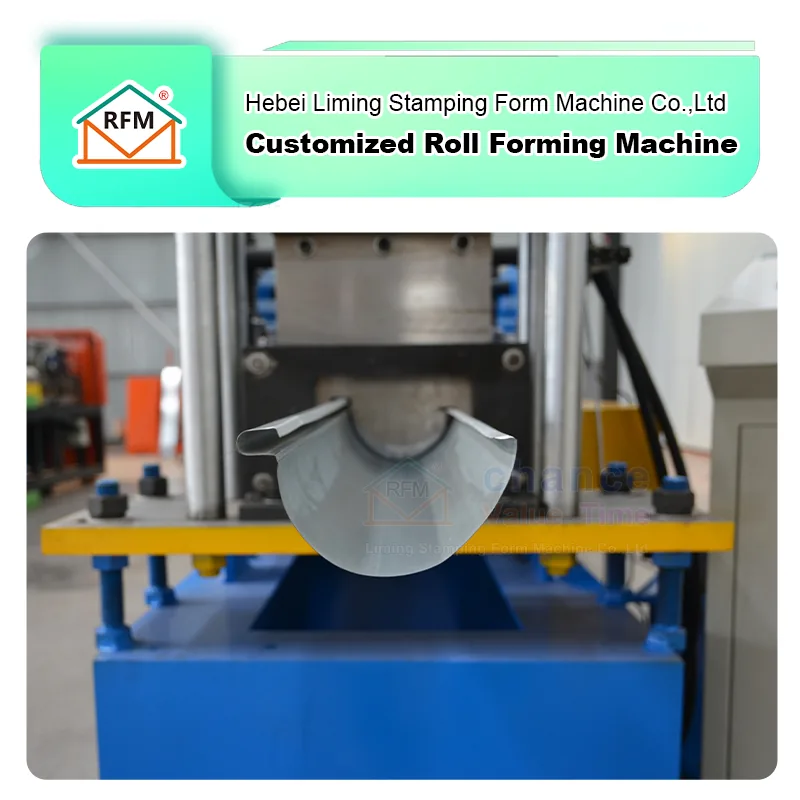
During the trial, measurements at those points can be considered alongside the overall shape. Looking along the sample adds a different observation: whether it remains straight over the inspected length. Neither check needs to stand in for the other.
A coated sample is worth examining twice: once as it comes off the line, and again after it has been moved. Scratches, roll marks or edge damage can then be recorded at the stage where they are observed. The acceptance criteria belong in the trial plan; photographs taken later may be useful, but should not have to carry the whole discussion.
The material reference travels with the sample: metal, grade, thickness and finish. For steel gutters, the preferred trial stock is the strip intended for production. If that stock is unavailable, agree the substitute and identify it in the record. The buyer can then discuss what the trial demonstrates about the planned order without losing sight of the material difference.
Try the accessories on the trial section
The accessory set gives the trial a practical focus. It may include an end cap, connector and support component, each identified by its part reference or approved sample. The intended fixing arrangement should be available too.
With an end cap in hand, the inspection can move beyond matching the outline. Try its intended seating and fixing arrangement. Does it contact the section where expected, or does someone have to reshape part of the sample first? If an adjustment is needed, a brief description of it will say more than a tick beside “end cap checked.”
For a joint or connector, compare the cut end with a portion farther along the piece. Any difference in fit belongs in the record, even if one position fits readily. It gives the buyer and supplier something specific to examine together.
Supports bring their own contact and fixing details. Any movement allowance, seal, fastener or spacing belongs to the applicable system design and instructions. The machine trial can use those references; it should not become a source of invented installation values.
This record leaves room for measured results and observations:
| Reference | Trial check | Record |
| Gutter drawing | Section and edge dimensions | Measurements and drawing revision |
| End cap | Seating and fixing detail | Part reference and adjustment needed |
| Joint or connector | Intended connection | Location and observed fit |
| Support | Contact and fixing arrangement | Matching component reference |
| Finished sample | Straightness and surface | Condition after handling |
Dry assembly answers a fit question. Watertightness still needs its own agreed test where one is required, with the method and acceptance criteria supplied by the responsible system supplier or designer.
Follow the sample through cutting and receiving
At the cut-off end, look for burrs, tearing, flattening or other deformation and compare the condition with the agreed criteria. Some proposed work may include another preparation operation before assembly. If so, define that operation and who will do it while discussing the supply scope.
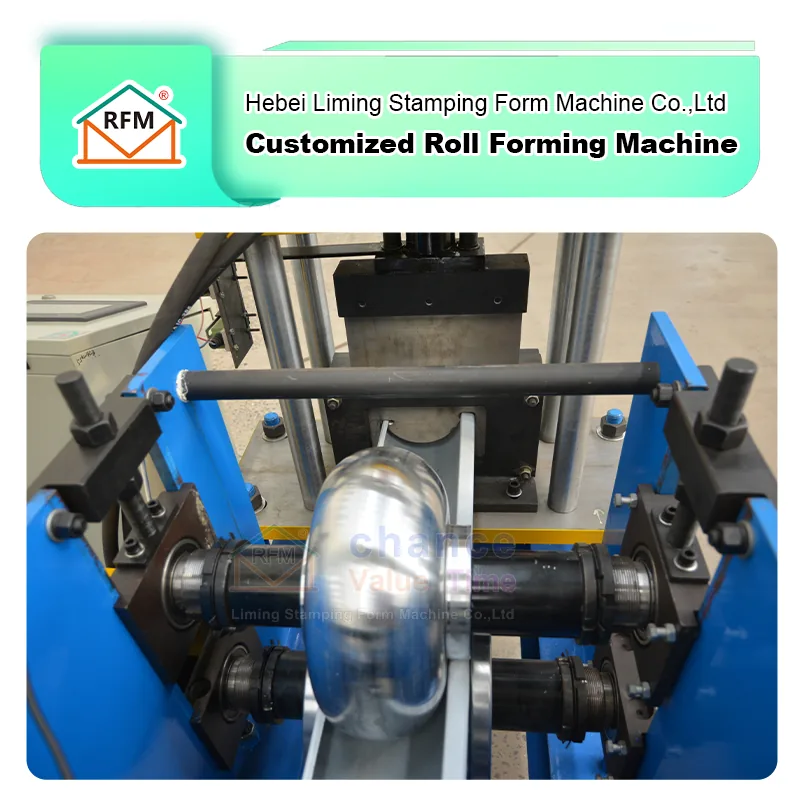
Give the finished-length measurement its own entry in the inspection record. It answers a different question from the section measurements, and keeping the entries separate makes later comments easier to follow.
The receiving arrangement is worth watching during the trial. How is the planned length supported as it leaves the machine? How will it be lifted onto an inspection surface? The sample should be examined after handling as well, for bending or marks that were not present at the cut-off point.
A small section is convenient for an end-cap comparison. A representative production length gives the buyer a chance to discuss support, handling and straightness on the product the factory expects to make. The sample selection can be agreed around those purposes, without applying one fixed quantity to every machine.
Keep length settings and profile changes separate
With gutter equipment specified around drawings or samples, it is worth separating two requests that can sound similar: another length of the same section, and another section altogether.
For a length variation, the discussion concerns the setting, measurement and receiving arrangement. A new cross-section needs both drawings in front of the supplier and an explanation of the tooling and adjustments proposed. A control shown for one function does not settle that second question.
A material change belongs on its own line in the requirements too. The buyer and supplier can then agree how that combination will be tried, without hiding it under a broad description such as “adjustable.”
Decide what the factory sample will establish
The trial record can cover the agreed profile, material, dimensions, finish, cut condition and accessory fit. Building drainage design remains a separate task, taking account of the roof, rainfall, outlets and installation conditions. A factory sample cannot settle those project decisions by itself.
Before everyone leaves the trial, identify the accepted piece and arrange to retain it. Its drawing revision, material and inspection results should be kept together. Close photographs of an edge or fitted accessory can be useful additions, especially when that detail has taken time to agree.
To discuss a gutter profile and trial requirements with Hebei Liming, start with the section drawing or reference sample, intended material and available accessory details. Decisions still open can be marked as such. From there, the conversation can establish what the proposed gutter roll forming machine needs to demonstrate on the finished product.