Choosing a cut-to-length line starts with the sheet your factory needs to use. The right length matters, but so do flatness, surface condition and the way each blank fits into the next operation. Set out those requirements alongside the coil specification before selecting a machine. That gives the equipment discussion a clear production target.
Hebei Liming offers cut-to-length equipment for converting coil into finished blanks. For purchasing and production teams, this guide explains how to connect flatness requirements with material selection, line configuration and a useful trial. It also sets out the details to send with an enquiry, whether the project involves a new production line or replacing an existing sheet supply process.
What flatness means for a cut-to-length line
A flatness requirement describes how far a sheet may depart from a plane under stated inspection conditions. It is separate from cut length and squareness. A sheet can meet its length requirement and still have a raised edge or a curve that makes handling difficult.
The requirement should reflect its intended use. A blank going straight into fabrication may need different checks from a sheet sold as finished stock. If the next operation uses a particular support surface or fixture, include that detail in the specification discussion. It helps explain why a visible condition matters to production.
Surface appearance deserves its own place in the brief. On coated or exposed sheet, a handling mark may matter even when the dimensions are acceptable. Keeping these requirements separate makes it easier to discuss the leveling, cutting and handling stages without asking one accuracy figure to describe the whole result.
Start with the production problem
Describe where the present sheet causes difficulty. Does it sit unevenly, interfere with positioning, or need extra handling before the next job? A short explanation is useful even before a numerical limit has been chosen.
If photographs are available, show the whole sheet as well as the affected area. Add the material and finished dimensions. These details help Hebei Liming relate the enquiry to the actual blank rather than a general request for higher precision.
Match the material to the equipment range
Thickness and width provide the first screening step. Hebei Liming’s sheet metal cut-to-length machines come in several configurations. For example, the published specifications give LM-2-650 a sheet thickness range of 0.2–2.0 mm and coil width of 150–650 mm. LM-3-1300 is listed for 0.3–3.0 mm sheet and 400–1300 mm coil width.
These published ranges help identify a starting point for a project. Final selection also needs the material grade, relevant strength data, coil weight and required output. Confirm the intended combination with Hebei Liming; a thickness and width match alone does not establish the agreed flatness result.
The usual workload matters more than a list of extremes. Identify the materials used most often, then highlight any occasional grade or size that must also be included. This keeps the discussion focused on daily production while making room for the less frequent jobs that affect equipment choice.
Include the condition of the incoming coil
Record the coating, surface requirements and any known variation in the incoming material. Where the enquiry concerns an existing quality problem, connect the example sheet to its coil specification if possible.
This is particularly useful when several material grades share the same nominal thickness. Keep them as separate entries rather than assuming they present the same processing conditions. Available material data can then be considered alongside the proposed line arrangement.
Define a trial around the sheets you actually order
A useful trial starts with representative material and finished sizes. Include a common production blank and a size or material that deserves closer attention. The selection should follow the planned workload, with the final trial scope agreed for the project.
Finished length belongs in this discussion too. Repeatedly cutting one length and changing between several lengths are different production patterns. If short orders are common, describe the usual sequence and batch sizes so the trial can address the work between orders as well as steady running.
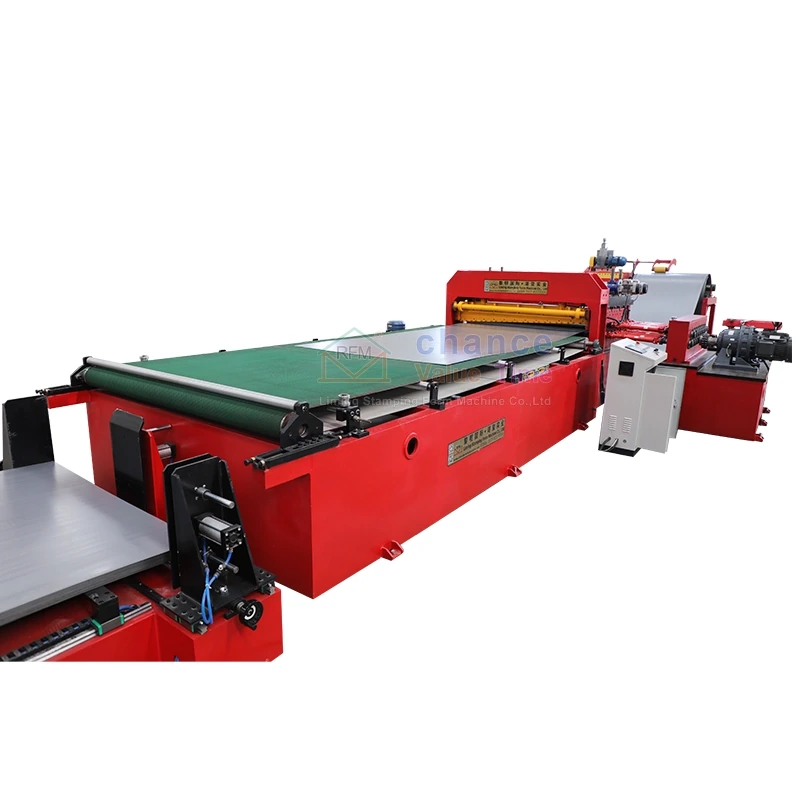
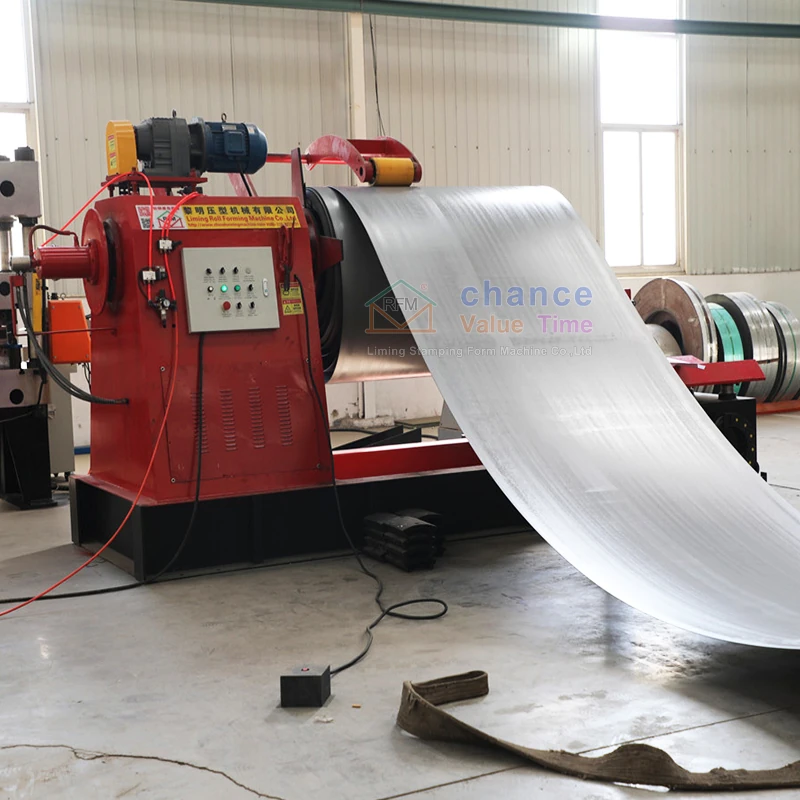
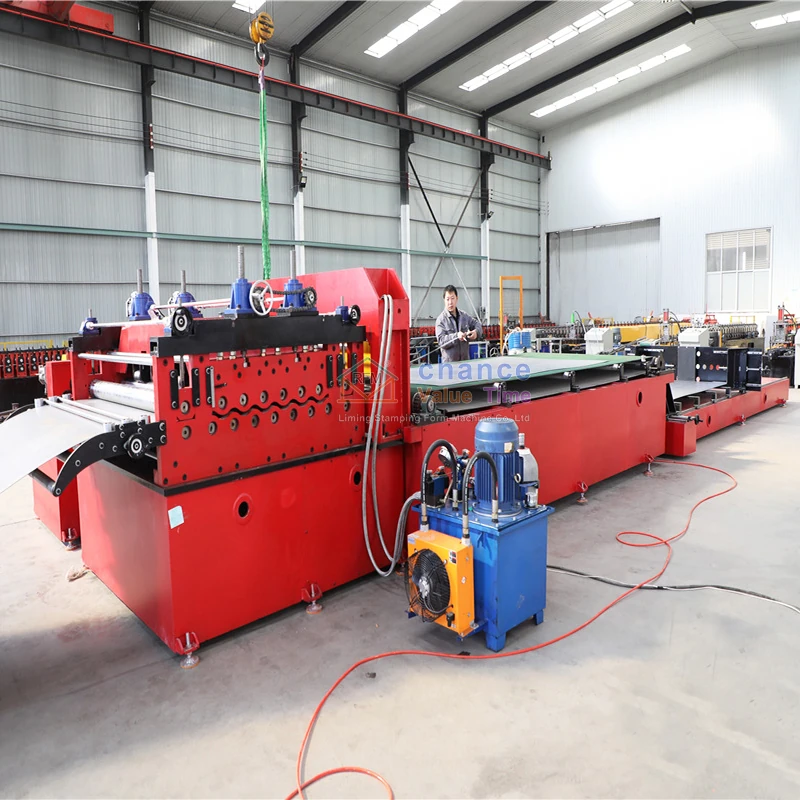
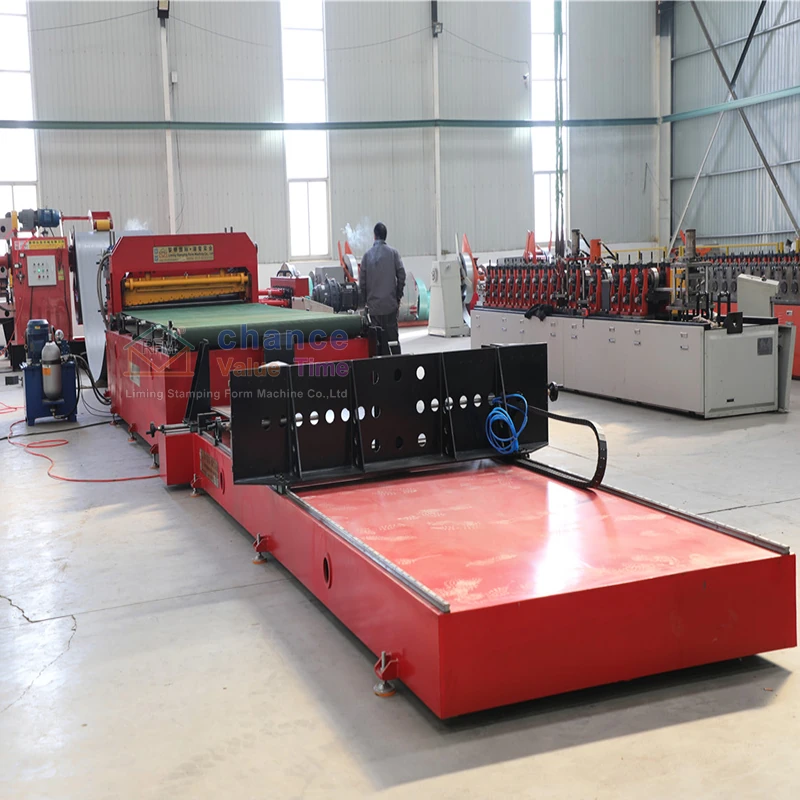
The cut-to-length process runs from feeding and leveling through gauging, shearing and stacking. A trial brief can follow that same route, ending with the sheet in the condition needed by the next department.
Make the flatness measurement repeatable
Agree how the sheet will be supported and where it will be measured. State the inspection surface and measuring equipment, and distinguish a freely resting sheet from one held in a fixture. A reading is easier to interpret when those conditions are recorded beside it.
Use the same method for samples being compared. Pressing a raised area down or changing the support arrangement changes the condition under examination. Photos are helpful for locating the measured area, but the readings and method should remain the basis of the record.
Where a customer specification applies, include its reference and the relevant requirement in the enquiry. The applicable measurement procedure and acceptance limit can then be discussed together. Avoid selecting a tolerance simply because it appears in an unrelated product description.
Keep each result connected to its sample
Give the inspected sheets clear identifiers. Note the coil, finished size and stage of the trial for each sample. If a setting is adjusted, identify the sheets produced before and after that change.
The record need not be complicated. A labelled photograph and a short set of readings are easier to review later than several similar-looking blanks with no way to tell them apart.
Include repeatability and normal handling
Plan checks at agreed points during the run. A single selected sheet is useful as a sample, while a sequence of checks gives a clearer view of the output over the chosen trial. Set the sampling frequency and quantity for that project rather than applying an arbitrary number to every line.
Record relevant adjustments or interruptions. This makes it possible to distinguish initial setup from the period being assessed for repeatability. Where a reading needs further attention, identify the affected sample and the next check so the discussion stays specific.
After the agreed handling and stacking steps, inspect the sheets again for the conditions that matter to the order. Edge damage, corner condition and surface marks should be recorded separately from flatness. The aim is a usable blank at the end of the line, ready for its intended next step.
Connect acceptance with the next operation
For some factories, the main concern appears only when the sheet reaches another machine or an assembly fixture. Describe that operation early. If positioning or fit is the issue, an agreed follow-on check may give more useful information than another photograph of the sheet on the line.
Keep the scope manageable. Identify the operation, the condition to be checked and who will carry out the check. Any downstream trial should be agreed as part of the project, with its result kept separate from the initial sheet measurements.
This approach links equipment selection to the reason for the investment. It also helps avoid specifying a demanding inspection requirement that has little connection with the finished product.
Keep a clear acceptance record
The following fields provide a practical starting point for a project record:
- Material grade, thickness, coil width and coil identification.
- Finished sheet dimensions and sample identifiers.
- Inspection method, support conditions and measurement locations.
- Flatness readings, with length and squareness recorded separately.
- Surface and handling observations, including useful photographs.
- Any adjustment, follow-up check and agreed outcome.
Keep the requirement beside the result. A remaining item should have a clear description and next action. Once the relevant checks are complete, the record gives both parties a common reference for the agreed material and production conditions.
FAQ
Does correct cut length also confirm flatness?
No. They are separate characteristics. Length measures the distance between the cut ends, while flatness concerns the sheet’s departure from a plane. Include both requirements in the project brief, together with the inspection method and any surface conditions that affect the finished blank.
Which material details are useful for an enquiry?
Start with grade, thickness, coil width and coil weight. Add the finished sheet sizes and available strength data. If several materials are planned, identify the most common combination and any demanding exceptions so the equipment discussion reflects the intended production mix.
Can a project begin without a defined flatness limit?
Yes. Explain the next operation and the problem to be addressed, with labelled photographs if available. These are useful starting points for a discussion with Hebei Liming. The measurement method and acceptance requirement should be settled before they become part of the purchase agreement.
Discuss your sheet requirements with Hebei Liming
To enquire about a cut-to-length line, send the coil specification, finished sizes and intended application. Include the normal batch size, planned output and any existing inspection requirement. A short production list is enough to begin; details can be developed around the proposed configuration.
For a project driven by a current sheet-quality problem, add a photo and explain where it affects the workflow. This gives the discussion a concrete focus and helps connect the equipment choice with the blanks your factory needs to produce.