A beam name and a target speed leave a lot of room for two quotations to describe different equipment. One may include punching and finished-beam handling. Another may stop at the forming and cutting sections.
For a highway guardrail roll forming machine, start with the beam that needs to leave the factory. Its drawing, hole pattern and material give Hebei Liming a useful basis for discussing the line. The production target matters too, but only when the process behind that number is clear.
Start with the beam drawing
W-beam and thrie-beam describe profile families, not a complete production specification. Send the cross-section, finished length, steel grade, thickness and drawing revision. Mark any dimensions that are still provisional.
Where a project specifies a particular standard, include its name and edition with the drawing. Resolve conflicting dimensions before the quotation is settled. A photograph can help identify a profile; it cannot replace the dimensions and tolerances needed to make it.
Keep posts, spacer blocks and other roadside components on separate drawings. Being part of the same barrier assembly does not mean they belong on the same forming line. Likewise, an enquiry covering both W-beam and thrie-beam should ask how each would be produced and what would need to change between them.
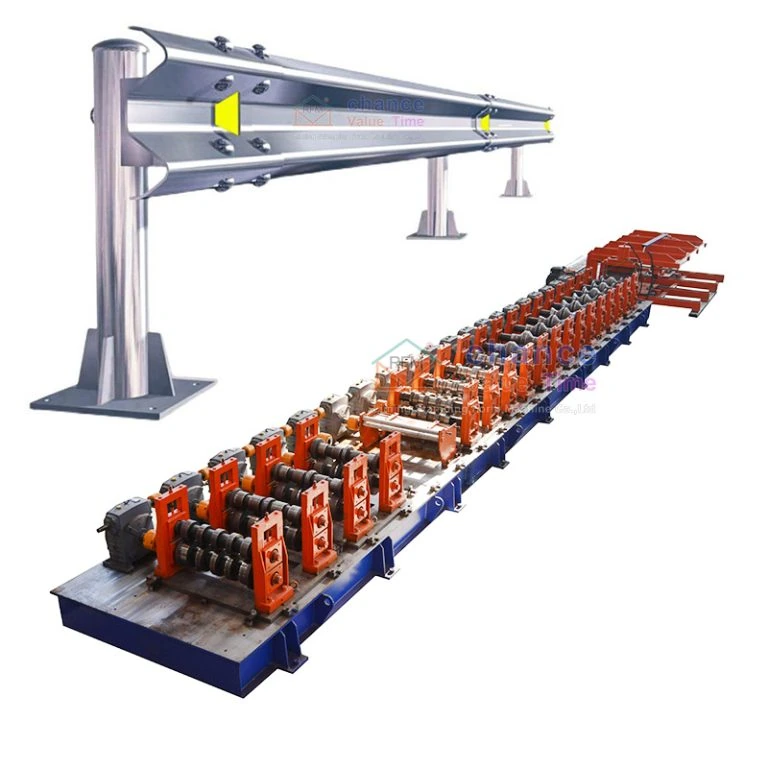
Hebei Liming’s guardrail forming equipment provides a starting point for that discussion. Attach the drawing to the enquiry rather than relying on a similar-looking product image. If there are several versions, label the one required for the first order and identify the differences in the others. That gives the quotation a defined scope without treating every future profile as part of the base machine.
Where are the holes measured from?
A hole spacing without a reference point can be read more than one way. Show whether positions are measured from the cut end, a centreline or another feature. Include the hole shape, dimensions and any differences between beam lengths.
Pay particular attention to the ends. Does a longer beam repeat the same pattern, or do the end holes move? Make that visible on the drawing rather than leaving it for the trial run.
For overlapping beams, an agreed fit check can help confirm that the intended parts line up. It does not replace dimensional inspection or establish the crash performance of a complete barrier system.
A separate hole schedule is worth including when one cross-section has several length options. Keep the drawing number, revision and finished length on each entry. An email saying “same holes as before” is easy to separate from its attachment later. Put the requirement where the person preparing the tooling and the person checking the sample can both find it.
Compare the whole process, not just metres per minute
Ask where cutting takes place: before the strip enters the forming section or after the beam has been formed. Then compare output for the same beam length and hole pattern, including any pauses for punching, cutting and removal. A quoted line speed on its own leaves too much out.
The steps in guardrail production give useful background, but the quotation should show the sequence proposed for this order. Make clear which operations are included in the output figure and which take place separately.
The incoming material also needs to be clear. State the steel grade, thickness, coil width and surface condition, and explain whether coating is planned after forming. Separate the normal production material from occasional orders so the quotation is not built around an exception.
At the other end, explain how the long beams will be supported, removed and collected. Machine footprint alone does not tell the whole story. The proposed layout needs room for the actual handling method, not just the equipment standing still.
Ask what the quoted output figure includes. Is it measured during a steady run, or does it allow for coil changes and the planned collection method? Neither figure is useful without its basis. For a production target expressed in beams per shift, state the beam length, hole pattern and working time used in the calculation. Keep those conditions the same when comparing offers.
What is included in the quoted line?
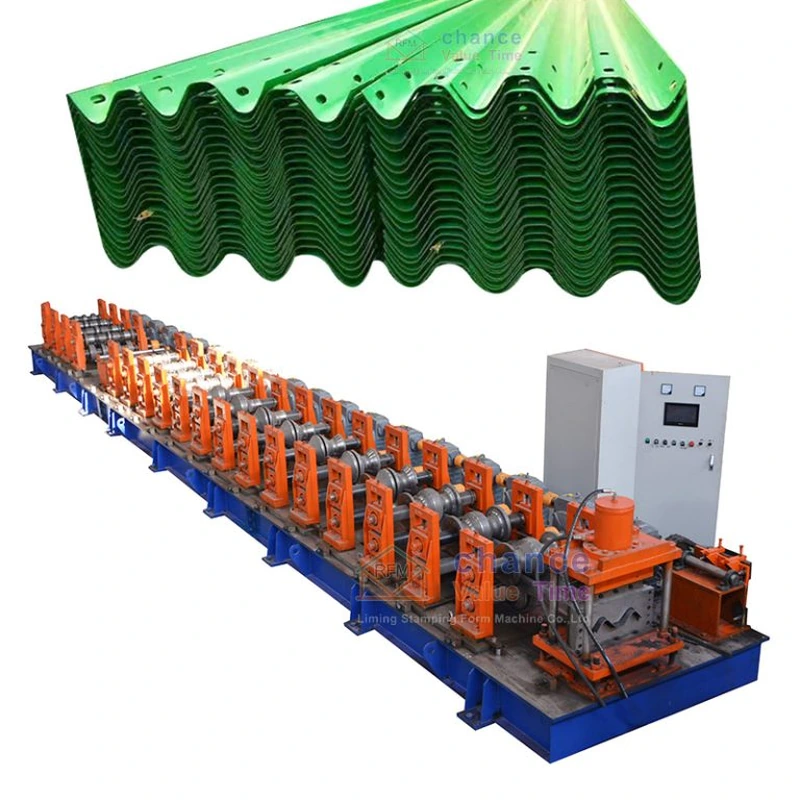
A lower total can reflect a smaller scope. Before comparing prices, mark which items are included, which are options and which will be provided at the factory. Follow the material from coil loading through feeding, punching, forming and cutting to collection, using the actual sequence proposed for the line.
Give existing equipment a name and a specification, not just a mention. If the factory plans to keep its decoiler or handling equipment, include the relevant capacity and interface information for review. Compatibility should be checked, not assumed because both machines handle steel coils.
The quotation discussion should also cover the available electrical supply, installation responsibilities, operator training and the initial spare-parts scope. These are points to agree with Hebei Liming for the order, not services to presume are included. Keeping optional items separate makes later price changes easier to trace.
When an offer is revised, keep the updated equipment list beside the price. A change in collection equipment or tooling should remain visible, so the final comparison still concerns the same production requirement.
Inspect a sequence of beams
Agree the trial material and drawing revision before production starts. Check the profile, length, hole positions, straightness, surface and cut ends against the agreed requirements. Tolerances belong in that agreement; they should not be borrowed from an unrelated machine specification.
One good display sample is not the same as a repeatable run. Agree when samples will be taken, and keep parts made before and after a setting adjustment clearly identified. That makes it easier to see what changed and which conditions produced the accepted pieces.
Keep the measurement record with the sample identification, material details and drawing revision. If a trial reveals a problem, note the adjustment and the result of the next check. An unlabelled photograph of a finished beam may look reassuring, but it gives the buyer little to refer to when reviewing acceptance or discussing a later production issue.
Send one real order first
A useful enquiry contains a beam drawing, hole schedule, normal coil specification, batch lengths and a practical output target. Add the available space and the intended loading and collection arrangements.
Those details give a concrete starting point for discussing the guardrail line with Hebei Liming. Future profiles can stay in the conversation, but separate them from what the line must produce at launch. Otherwise, a possible later order can quietly change the scope of today’s quotation.