
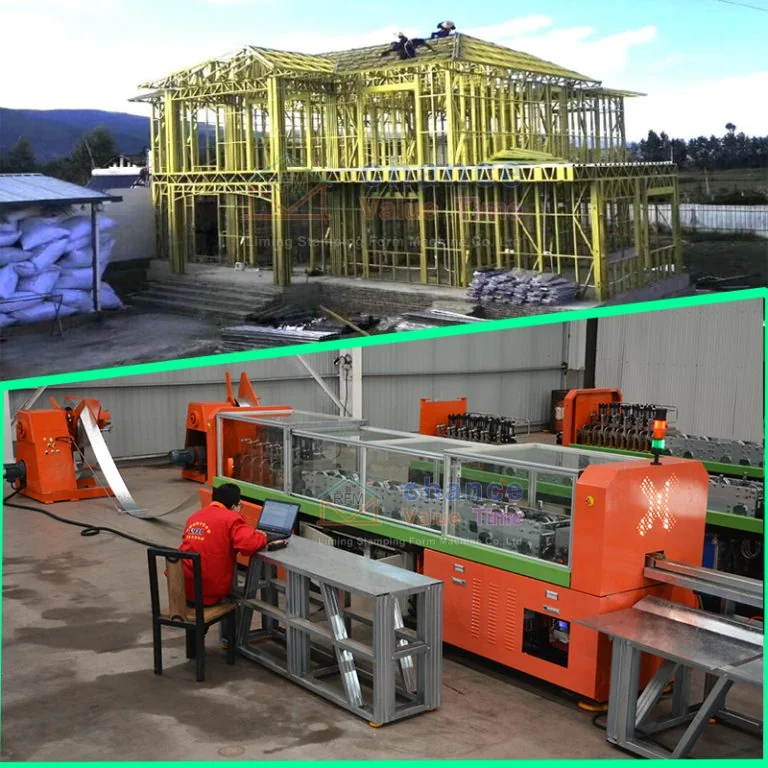
A light gauge steel framing machine has to match the members a workshop plans to make. A request for a “C89 machine” gives a starting point, but leaves the material, holes, cut lengths and production workflow open. Two quotations can use the same profile label and cover different work. The useful question is what each proposed line will produce from the buyer’s drawings.
Hebei Liming’s light gauge steel framing equipment range includes different model types. A short, well-prepared brief helps narrow that range before the discussion moves to price. It need not contain every engineering answer. It should make the known requirements clear and leave the remaining decisions visible.
Start with the members needed for the first orders
A brief that says only “wall and roof framing” still needs unpacking. Does the first order involve studs, tracks, joists or truss members? Those are the names to put beside the drawings. Each cross-section needs its web, flange and lip dimensions, thickness, holes and notches. The cut-length range can sit alongside it. That way, the person reviewing the inquiry can work from a defined member rather than guess what the general description covers.
Mark the profiles needed when production starts. Put possible future products on another list. This lets the quotation distinguish the immediate configuration from options that may be discussed later. An option mentioned in an inquiry is not automatically part of the offered machine.
A C-shaped section can also lead the discussion in the wrong direction. If the planned work includes purlins, compare that requirement with the separate C/Z purlin roll forming equipment range. The shared letter does not make the equipment interchangeable. The section drawing and the operations needed to make it are what matter.
North American projects also bring a separate set of building requirements into the conversation. AISI S240 concerns structural cold-formed steel framing; purchasing a machine against a profile brief does not establish compliance for a building system. The project documents and responsible design professional still govern the member design and its acceptance. The equipment inquiry needs to acknowledge that boundary without trying to settle the structural design.
Put material details beside each profile
Material details are often scattered between drawings and email messages. Bringing them beside the relevant profile makes the brief easier to check: grade or product specification, coating, actual thickness and coil width. Where the project specifies yield strength, that belongs here too. Coil weight and inside and outside diameters belong in the handling discussion, so the proposed arrangement is based on the coil that will arrive at the workshop.
There is a small but important trap in a gauge label. Its meaning can change with the material or market. Giving the numeric thickness alongside the gauge convention avoids an apparent agreement in which both sides have different material in mind.
For several materials, a short matrix is better than one wide range above the whole inquiry. Put each profile against the material and thickness intended for it. Hebei Liming can then be contacted about the proposed model and tooling for those combinations. A range printed at the top of a brief cannot answer whether a particular section is covered.
Draw the holes and explain the file workflow
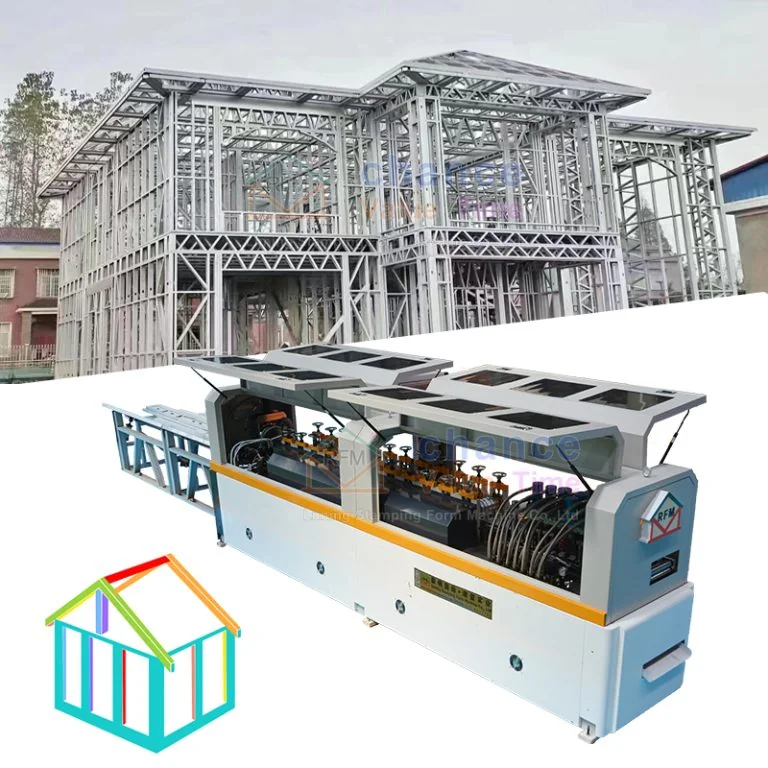
The hole pattern is worth its own marked-up drawing. Service openings, slots, web notches, lip cuts and end features need dimensions from a stated reference point. A description of the finished frame rarely gives enough information to position those features. A simple sketch can clear up what several paragraphs leave uncertain.
The next question is how those member details reach the controls. Some orders may use fixed lengths; others may contain a member-by-member production list. State what comes from the design or detailing process and which file format is available. Then discuss what preparation is needed before that information can be used by the proposed machine.
A software name is only part of that answer. The expected input file, any post-processor and the work needed before import should be described with it. Responsibility matters here: the buyer needs to know where detailing ends and machine preparation begins. Otherwise, a file can be available without either side having agreed who makes it ready for production.
A sample-file review can make that discussion more concrete, if agreed for the project. The purpose is to check the proposed workflow against a representative order, not to assume compatibility from a software label. Any point still undecided should remain an open quotation item.
Describe the production mix before comparing rates
The workshop’s order pattern helps explain what the line needs to do between individual members. A long batch of one section differs from frequent changes between wall, floor and truss parts. Share the approximate mix, batch pattern and planned shifts. Output targets are useful planning inputs, provided the quotation states the assumptions behind its proposed rate.
A speed number needs context. Does it cover forming only, or the other operations involved in the proposed job? Punching, cutting, handling and moving to the next order may all need discussion. The quote is more useful when its rate names the profile, material and operations behind it, rather than leaving the buyer to compare unlike figures.
Future work can make this conversation surprisingly broad. Keep returning to the first orders: which operations must be there on day one, and which can remain options? A separately described future option is easier to assess than a promise scattered through a discussion of the launch configuration.
Agree what the run-off will check
The drawings used for quoting are also a starting point for acceptance discussions. At a first-piece review, the formed section, hole positions, cut length and member identification can be checked against the approved revision. The record needs to identify that revision and the checks actually made. Without it, “sample approved” says very little about what both sides accepted.
Run-off quantity and measurement method are project decisions, not universal values to copy from an unrelated machine. Any buyer requirement belongs in the discussion before the order, while there is time to agree how to demonstrate it. A tolerance that suits one section cannot simply be carried over to every other profile.
Keep this separate from building-system approval. A satisfactory machine run-off addresses the agreed equipment and sample checks. It does not replace structural design, project-specific member acceptance or installation review.
Make the supply boundary visible
Now follow the proposed supply from coil handling through feeding, forming, punching and cutting to discharge. Controls, guarding, labeling and software need a place in the scope as well. Installation and training are separate entries to agree. A general description of an LGS line does not say which of these are in a particular price.
The workshop side of the order should sit next to that list: utilities, available space, foundation needs and buyer-supplied items. Marking each item included, optional, buyer-supplied or excluded makes the handover easier to discuss. It also helps show where an apparently smaller quotation leaves more work outside the order.
Before sending the inquiry, check that it contains:
- Intended member types and launch profiles
- Dimensioned drawings with a revision reference
- Material and coil details for each profile
- Hole, notch, cut-length and identification requirements
- Design-file workflow and responsibilities
- Order mix and the basis for output targets
- Proposed run-off checks and acceptance requirements
- Included equipment, options and site preparation boundaries
With these inputs together, discuss the framing drawings and production requirements with Hebei Liming. The next step is to match the proposed configuration to the work described in the brief and resolve the remaining scope questions before comparing prices.