Roof Panel Roll Forming Line RFQ: Define What Is Included
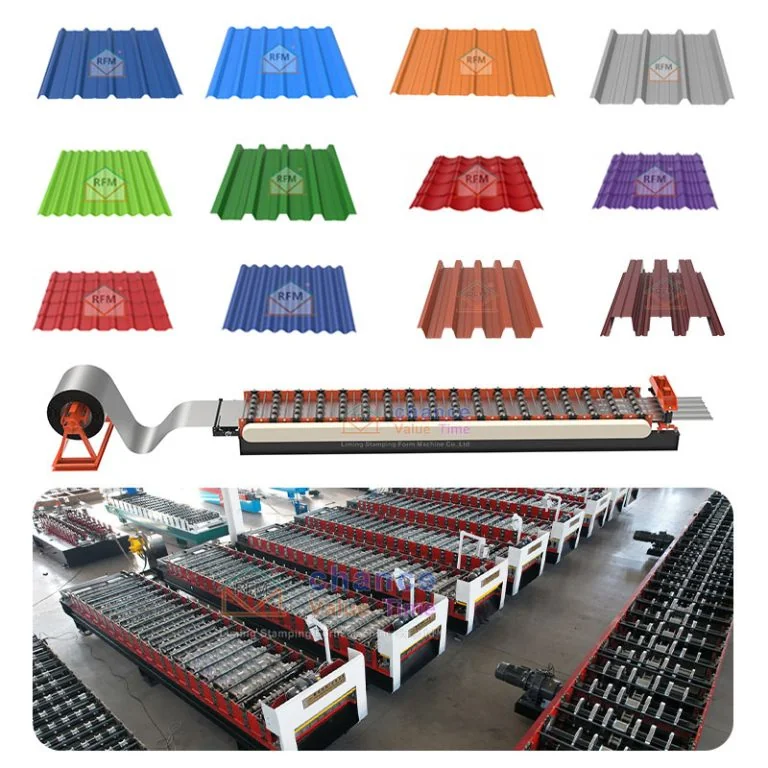
A roof panel roll forming machine quotation may describe the forming unit clearly while leaving coil loading, cutting and panel collection open. Those boundaries matter when the buyer compares prices or plans the workshop. A line with a manual receiving table is a different scope from one quoted with automatic stacking, even when both are offered for the same panel profile.
Hebei Liming’s roof panel roll forming equipment range covers different equipment types. The RFQ should identify the finished panel and the work expected around it. A longer equipment list is not automatically better. The aim is a configuration that fits the orders, with each inclusion and exclusion visible.
Attach the finished panel drawing
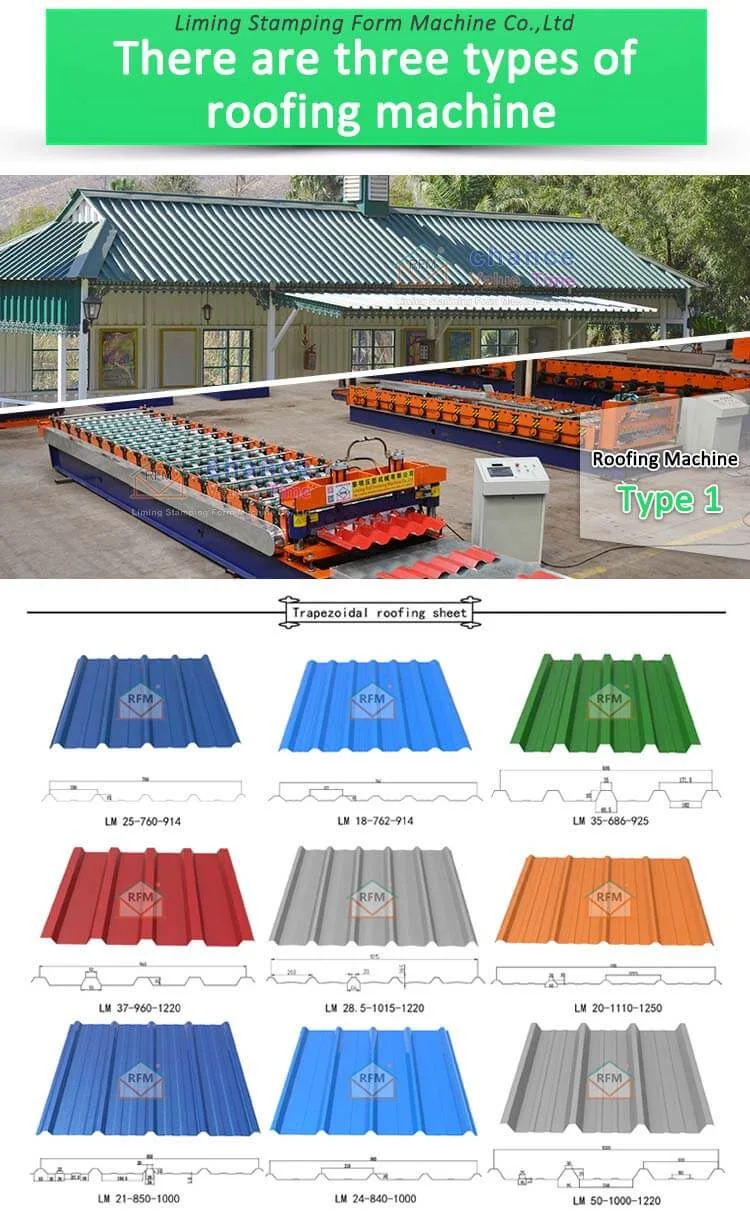
Start with a dimensioned cross-section showing overall width, rib pitch, rib height and the seam or lap details. Include any unusual edge geometry and the drawing revision. Product names such as “IBR,” “corrugated” or “standing seam” help describe the general panel, but they cannot settle those dimensions.
If more than one profile is planned, attach a separate drawing for each and mark the first product to be made. A later profile should remain a separate discussion until its tooling and machine arrangement are confirmed. One general product name can conceal differences that matter at the forming section.
The same applies when considering a double-layer roofing sheet machine. Identify both intended profiles and discuss the offered configuration against those drawings. The category name alone does not confirm the production method or the scope included in a particular quotation.
Describe the lengths and order mix
Cross-section drawings explain the shape; the order list explains how the line will be used. Give common panel lengths, any short or long pieces that matter to the job, and an approximate batch size. State whether lengths remain fixed for a batch or change within the same order.
For mixed lengths, the sequence and collection method need to be discussed together. How will the operator enter that order, and where will the different pieces go after cutting? Repeated lengths may allow another arrangement. Either way, the RFQ needs to follow the panel beyond the cutter instead of ending the description at the forming unit.
The information can stay simple. A representative order list is useful if available, with commercially sensitive customer details removed. It gives the discussion a clearer basis than an output target alone and helps expose where the proposed line hands work back to the operator.
Specify the coil and loading arrangement
Name the material standard or grade, metallic coating or paint system, numeric thickness and incoming coil width. Add the specified strength range where relevant, and identify any second material family. ASTM A653/A653M and A792/A792M describe different metallic-coated steel sheet products. The purchasing specification should name the applicable material rather than leaving “coated coil” as the only description.
The coil’s route into the workshop matters as well. State who provides it and the planned handling method. Coil weight and dimensions affect the decoiler and loading-space discussion. Where a loading trolley or decoiler is expected from the equipment supplier, it should appear as a priced scope item.
Avoid leaving loading responsibility between two parties. The quotation should distinguish equipment supply from buyer-side handling arrangements. It should also identify any interface that needs to be agreed before the workshop layout is fixed.
Follow the panel through the line
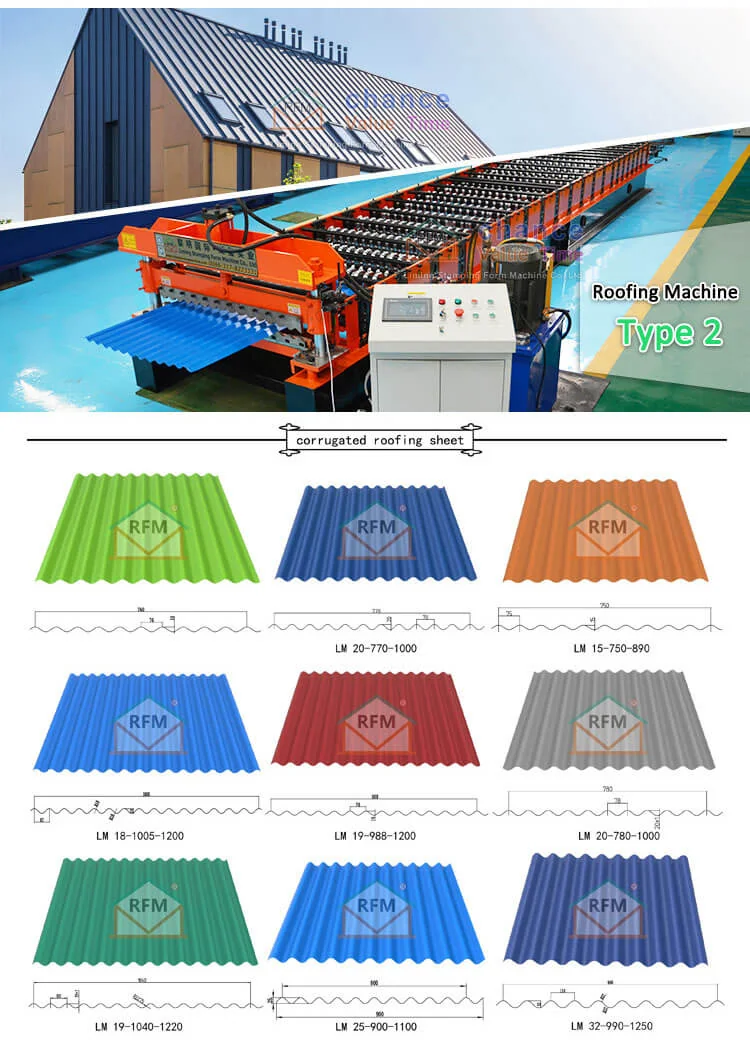
“Complete line” is a phrase to unpack, station by station. Follow the coil through decoiling and entry guiding, then forming and cut-off, and finally discharge or stacking if required. Which of those stations are in this offer? The answer belongs in the priced scope, because a general list of possible equipment cannot tell the buyer what has actually been quoted.
At the cutting section, clarify how order data will be entered and what a quoted speed measures. Forming speed and a complete cycle with cutting and finished-panel handling describe different things. A meaningful rate should name the profile, material, length and operating assumptions.
After cut-off, the panel still has to be received. Is a manual table suitable for the intended orders? Is automatic stacking part of the requirement? Bundle separation, protective film, packaging and transfer conveyors should be discussed only where the project calls for them, then marked as included, optional or outside supply.
Long panels make the handoff especially worth spelling out. The RFQ should identify the expected panel lengths and collection method together, so the proposed supports and receiving space can be reviewed as part of the layout. Do not infer a handling capability from forming-unit dimensions alone.
Check site inputs and delivery responsibilities
The layout discussion starts with the site voltage, frequency, preferred control language and any space or access limits. It also needs the proposed guards and interlocks on the drawing. A footprint on its own leaves out coil storage and the room needed to load or maintain the line, so those areas deserve a check before the layout is settled.
Put the expected paperwork on the RFQ as well. Electrical drawings, operating instructions, maintenance information and spare-parts information can then be addressed in the quotation. Installation and training should be separate entries. That is clearer than expecting a short equipment description to carry all of these responsibilities.
For buyer-supplied equipment, identify who provides the interface information. A transfer conveyor outside the machine order still needs an agreed connection to the line. Recording that responsibility early can prevent a gap between two otherwise detailed purchase scopes.
Agree the run-off basis before ordering
For the demonstration, both sides need the same approved profile revision and a buyer-confirmed material. From there, decide which panels will be checked, which dimensions matter and how the cut-length results will be recorded. The quantity and inspection method need to fit this order. A checklist from an unrelated line is not a substitute for that agreement.
Panel appearance and dimensions need agreed product requirements. The machine run-off does not replace roof-system design or installation review. Profile selection, drainage, fastening and weather performance involve the finished panel system and its application; they cannot be established by a forming-machine demonstration alone.
Any acceptance point still awaiting an answer should stay on the open-items list. It is far easier to discuss at quotation stage than to discover later that each side assumed a different requirement.
Compare the scope before the headline price
Put quoted items into four columns: included, optional, buyer-supplied and excluded. Where two offers differ, identify the practical difference first. One may leave panel collection to the buyer while another includes it. The price comparison needs to account for that boundary.
The RFQ should bring together:
- Approved cross-section drawings and revisions
- Material, coating, thickness and coil width
- Panel lengths and order mix
- Coil loading, guiding, forming and cut-off scope
- Receiving, stacking and packaging boundaries
- Controls, utilities, guarding and layout inputs
- Documents, installation and training scope
- Run-off samples and the inspection record
Once that description is ready, discuss the panel drawings and line requirements with Hebei Liming. Review the proposed configuration against the drawings and scope list, then compare prices with the remaining differences clearly identified.