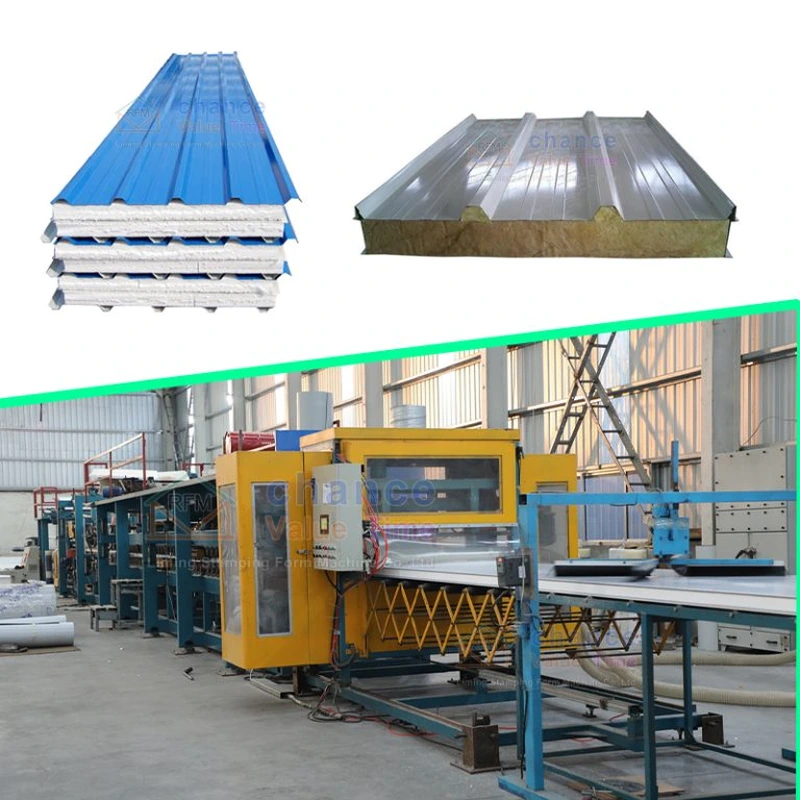
A sandwich panel machine enquiry needs the panel type before the line can be discussed. Roof panels, wall panels and EPS foam panel lines can involve different sheet profiles, core handling and downstream requirements. The early discussion should not jump straight to price. It should show what the finished product must look like, how the material will arrive, and what the buyer expects from normal production.
For Hebei Liming, a clear RFQ gives the technical team a better basis for discussing decoiling, forming, punching, cutting, control and layout. It also helps the buyer compare proposals by line scope instead of comparing short machine names that may hide different equipment boundaries.
Name the panel before discussing the machine
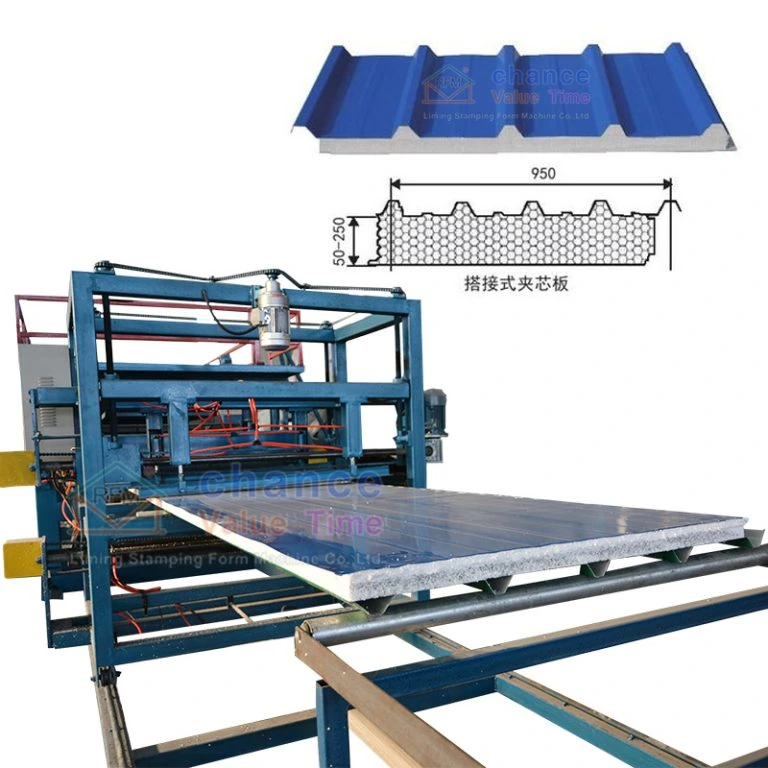
The finished product is the best starting point for a sandwich panel machine discussion. List the actual product to be made, not only the general category name. Useful first fields include panel use, top and bottom sheet profile, core material, finished width, panel thickness, cut length, adhesive route, stacking and packing method. If more than one product is planned, separate the current order from future options.
Panel type and core material should be written down before comparing line names. Roof and wall panels may share some equipment logic, but the complete scope still needs checking.
Send the detail that changes the quotation
A broad phrase can hide several production choices. A drawing shows the profile shape, reference dimensions, holes, edge details and finished length. It also shows which features are part of the product and which are only installation or packaging preferences.
When the drawing is not ready, send a clear sample photo and mark the dimensions that matter. The goal is not to produce a complete engineering file in the first email. It is to give Hebei Liming enough information to judge whether the proposed line should focus on one profile, several related profiles or a more customised arrangement.
Separate sheet forming from core and bonding work
For an EPS project, the EPS sandwich panel machine gives the discussion a concrete starting point. The wider sandwich panel equipment range is useful when roof and wall panel requirements are being considered together.
Material data belongs in the first RFQ. State the grade where known, the coating or surface condition, thickness range, coil width, inner diameter, outer diameter and maximum coil weight. A single thickness range is not enough when daily production uses one material and occasional orders use another.
Ask for the line to be reviewed against routine material first. Occasional future material can still be listed, but it should not quietly drive the whole configuration unless it is commercially important. This keeps the discussion close to real orders and avoids paying attention to a rare case while normal production remains vague.
Incoming coil condition also matters. Damaged edges, poor winding or surface marks can affect the finished product and the trial record. These points should be recorded as material observations, not treated as machine performance by default.
Follow the product through the line
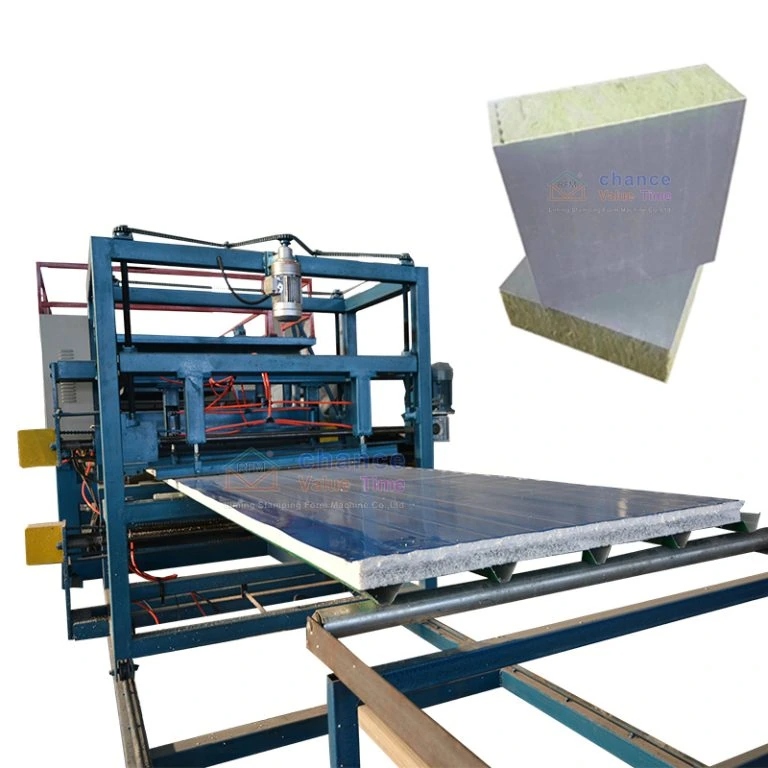
Many buyers describe only the forming section. In practice, the useful discussion covers the sequence from coil loading to finished part collection. Decoiling, guiding, leveling where required, roll forming, punching, cutting, counting and discharge should be named where they belong in the proposed line.
Punching needs special attention when holes affect assembly. The RFQ should show the hole shape, spacing, position from the cut end and whether patterns change between product lengths. If left-hand and right-hand pieces are required, list them separately. A small schedule is easier to review than a long paragraph.
Cutting should also be tied to the product. Buyers should state finished length, length tolerance if already specified by the project, and how the first pieces after a change will be checked. Do not assume every length change is equal. A line that runs one length all day creates a different operating question from a line that changes many times during a shift.
Make changeover expectations visible
Changeover is often where a quotation becomes unclear. Some dimensions may be adjusted through settings or an electric control system on a specific configuration. Other changes may need tooling work, manual adjustment or replacement of cutting blades. The RFQ should say which dimensions change, how often they change and what method the buyer prefers.
This does not mean every machine must make every size. It means the quotation can be built around the products that matter. If several profiles are expected on one line, mark the fixed dimensions, changing dimensions and the sequence of normal orders. Hebei Liming can then review the request against the proposed model and tooling plan.
Connect the machine to the factory layout
A production line has to fit the plant, not just the product drawing. Provide a simple layout with available floor dimensions, columns, doors, coil loading access, finished product removal and normal service space. The preferred material-flow direction should also be shown.
Coil handling needs the same practical detail. State whether coils arrive by crane, forklift, coil car or another method. Note the maximum coil weight and any site limit that affects the decoiler or entry section. A quote that ignores loading and discharge may look complete while leaving a real installation issue open.
Power supply and operator experience also belong in the early conversation. They do not need long explanations. A short note on voltage, phase and whether the team has used similar equipment before is enough for the first review.
If the line will be added beside existing equipment, include one photo of the intended installation area and a rough loading route. This helps the discussion stay practical. The line may need space for coil storage, finished bundles, tooling, scrap collection and maintenance access. These are not decorative layout details. They affect how smoothly operators can feed material, remove finished products and deal with normal adjustments during production, especially when a shift includes more than one product size.
Plan a trial around normal production
The trial should answer the buyer’s production question, not only prove that the line can run. Agree on the material, drawing revision, product length, sample quantity and inspection method before the trial. Useful checks may include panel dimensions, sheet alignment, bonding condition, cut end quality, surface marks, panel flatness and stacking condition.
Trial records should identify the material, product drawing and machine settings used for each checked sample. If the line is adjusted during the trial, record what changed before the next samples are judged. This makes the result easier to understand later, especially when the first order includes several product sizes.
The customer’s roll-forming inspection material supports the same practical principle: keep samples, test conditions and acceptance records traceable. It does not create one universal tolerance for every machine or product. Acceptance values should still come from the confirmed product drawing and project scope.
For long or surface-sensitive products, also decide how samples will be moved after cutting. A good sample can be scratched, bent or mixed with another batch after it leaves the line. Marking the sample and recording the handling step keeps the trial record closer to factory reality.
What belongs in the first RFQ
A useful RFQ does not need to be long. It should make the commercial and technical baseline clear enough for Hebei Liming to respond with the right scope. Include these points:
material grade, coating and thickness range;
coil width, coil weight and coil handling method;
finished product drawing or sample photo;
profile dimensions and drawing revision;
punching pattern, hole reference points and length schedule;
which products are required now and which are later options;
expected order size and changeover frequency;
factory layout, power supply and preferred material flow;
trial material, sample quantity and inspection method.
Questions buyers usually ask before comparing quotes
Can one machine cover every product in this category?
Not by assumption. Related products may still need different tooling, punching or cutting arrangements. Send the drawings and ask Hebei Liming to confirm which products belong on the proposed line and which should be discussed separately.
Is a maximum speed enough for comparing quotations?
No. Speed only matters when it is connected to the product length, material, setup method and acceptable output. A practical comparison should include normal order size and changeover frequency.
Should drawings be sent before the first quotation?
Yes, where possible. A drawing or sample photo gives the technical discussion a real basis. If the drawing is not final, mark it as a reference and explain which dimensions are still open.
What should be checked during a machine trial?
Use the agreed drawing and order scope. Typical checks may cover dimensions, hole position, cut length, surface condition and whether the finished part works with the next operation. The exact method should be confirmed for the order.
Give the quotation a real starting point
The best first enquiry connects the product, material, line scope and trial plan. A short RFQ with drawings, coil data and layout information gives Hebei Liming’s team enough context to discuss the sandwich panel machine, the required configuration and the next technical step.
Send the product drawing, material range and order context to Hebei Liming for a configuration discussion. The useful next step is to define the panel type and line scope, so the proposed line can be discussed around the job it has to do.