A steel coil slitting machine quotation can look detailed and still leave the main production questions unanswered. Coil width and thickness are only the opening numbers. The line also has to match the material, slit pattern, finished coil condition, handling method and way orders change during a shift.
Before Hebei Liming prepares a configuration, the RFQ should define the incoming coil, finished strips, line scope and trial conditions. Clear inputs reduce assumptions, make quotations easier to compare and give the later trial a practical purpose.
Define the finished narrow coils first
Start with what customers or downstream machines need to receive. List the finished strip widths, number of strips, edge trim arrangement and target recoiled outside diameter. Add the maximum finished coil weight and the packaging or transfer method used after recoiling.
Do not send only the narrowest strip as a headline figure. The same finished width can come from different incoming coil widths and slit patterns. Common raw coil width examples discussed for this type of enquiry include 1200 mm, 1250 mm and 1600 mm, but the actual incoming width should be stated for each order. A useful schedule shows several routine patterns, along with the pattern that places the greatest demand on the proposed setup.
The Hebei Liming slitting line range provides a starting point for the equipment discussion. Model selection still needs the actual coil and output schedule; a category label cannot settle the configuration by itself.
Record the whole slit pattern
For each representative order, show the incoming coil width, finished strip widths, quantity of each strip and planned edge trim. If mixed widths are produced in one run, write them in their actual sequence across the coil. The number of finished strips is a basic field, not a detail to leave for the quotation stage.
This makes the requirement visible to both technical and purchasing teams. It also prevents a quote based on equal-width strips from being treated as equivalent to a more varied production schedule.
Describe the incoming coil beyond width and thickness
Material grade, mechanical properties and surface condition affect the processing discussion. Record whether the normal workload is carbon steel, aluminum, stainless steel, copper or another confirmed material. Include thickness by material family rather than combining every product into one minimum-to-maximum statement.
Add the raw coil width, inner diameter, outer diameter and maximum weight. Note whether several coil standards arrive at the plant and how they are loaded. If a crane, coil car or other handling method is already fixed, include that in the layout brief.
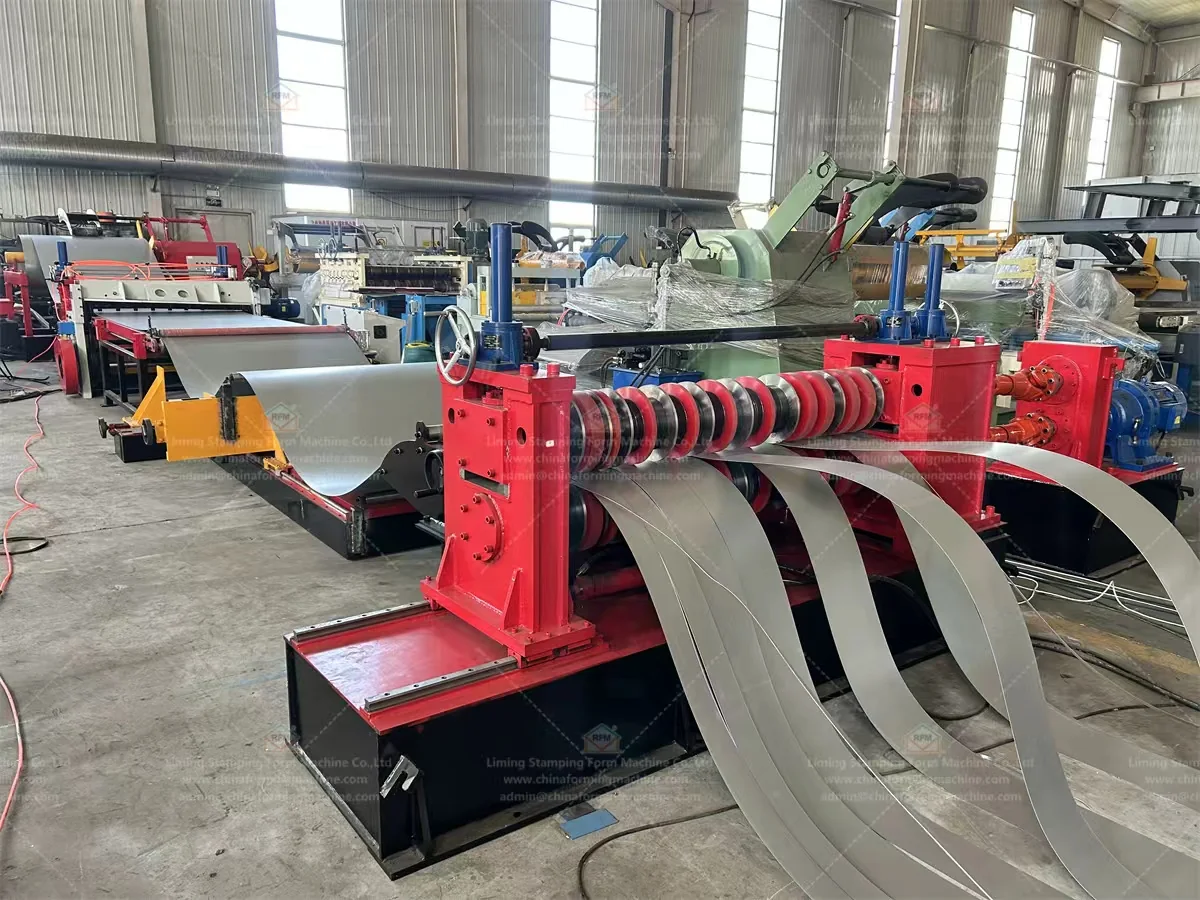
Some projects may need an opening or leveling section before longitudinal slitting. If both operations are required in one material flow, include that in the RFQ so the proposed arrangement can be discussed for the actual coil and output schedule.
A normal reference speed for the line is 0–30 m/min. If speed is important to the project, state the required speed in the RFQ rather than leaving it implicit. The final value still depends on the material, line configuration and proposed model.
Incoming coil condition should not be ignored. Known camber, damaged edges, telescoping or inconsistent winding can affect a production trial and the appearance of the finished coils. These observations should be recorded separately from machine performance.
Keep material certificates and purchase descriptions connected to the trial coil where they are available. The aim is to avoid discussing a result as though it represents a material family when the tested coil’s grade or condition cannot be identified later.
Separate routine material from occasional material
The line should be discussed around the real order mix. Mark the grades and thicknesses that run every week, then identify occasional jobs. An unusual future requirement should not quietly determine the whole project unless it has clear commercial value.
Ask Hebei Liming to review the combinations against the proposed machine, tooling and drive arrangement. This is more precise than assuming every material inside a nominal range will behave the same way.
Put edge quality into words that can be checked
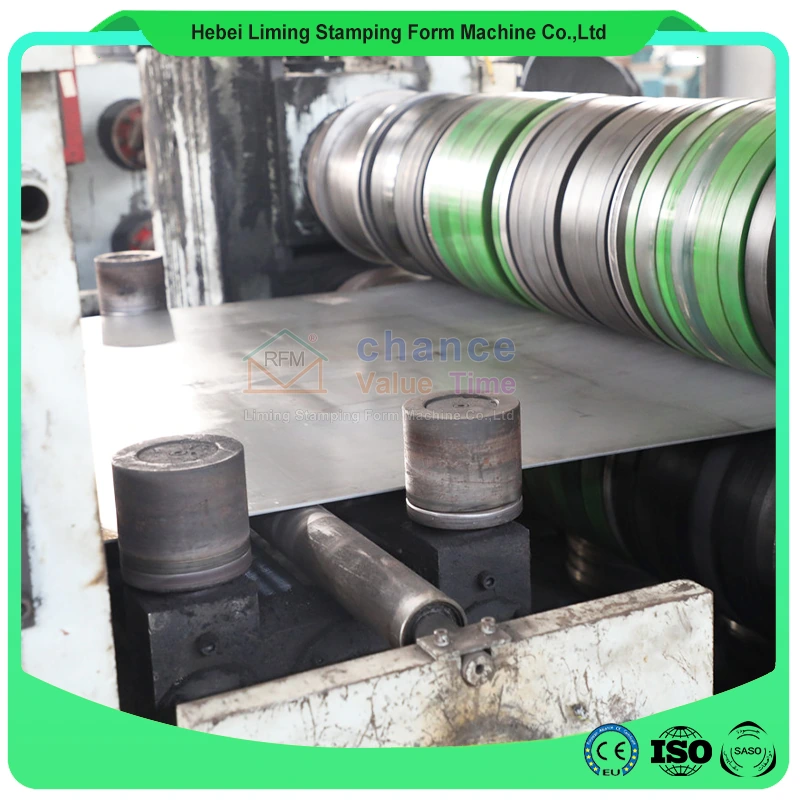
Good edge quality is not an inspection method. Describe the issue the factory must control, such as burr direction, visible edge damage, strip deformation or a downstream feeding problem. If an internal or customer specification applies, provide the document reference and the agreed measurement method.
Knife setup is part of the discussion, but the RFQ should stay focused on the required output. State which slit patterns and materials will be used during the trial. The tooling and setup can then be reviewed for those conditions instead of being discussed as a generic feature.
Explain how the finished coils will be used
The next operation helps define what matters. Narrow coils feeding a roll forming line may need stable tracking and practical coil handling. Material sold as slit coil may place more attention on winding appearance, identification and packaging. A strip used for visible components can bring additional surface concerns.
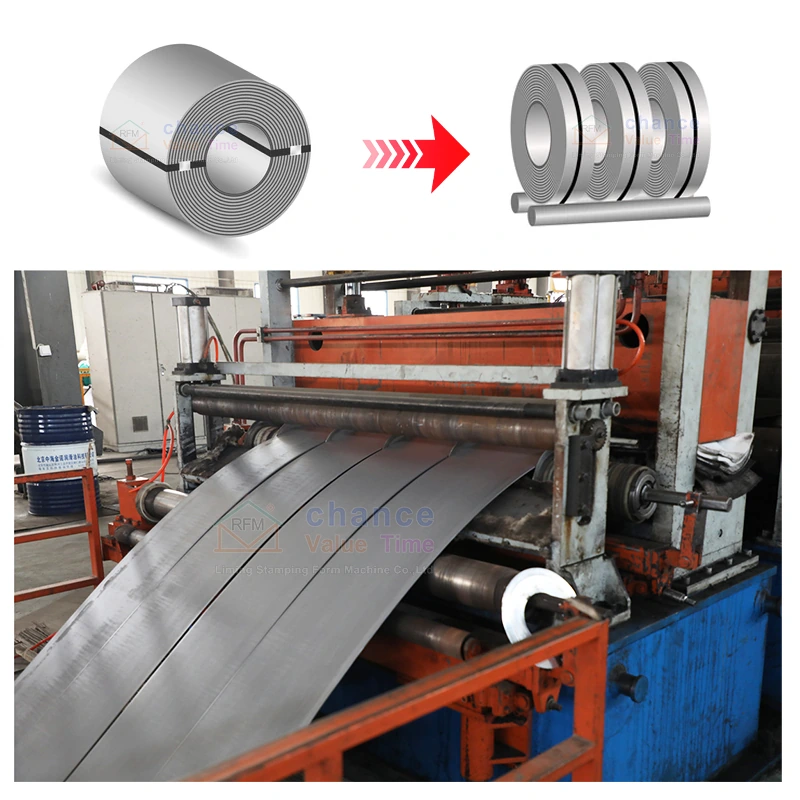
The steel slitting process outlines the main stages. Use this sequence to connect coil specifications and finished-strip requirements to the proposed line scope.
Discuss recoiling and separation as production requirements
Finished strips need to be separated and rewound into stable coils. State the target outside diameter, maximum weight, winding direction if relevant and how the coils will be removed. Note any requirement for separator discs, sleeves, banding or later packaging, but do not assume every item is included in the base configuration.
If the plant expects frequent pattern changes, explain how often they occur and how many orders typically run between setups. Changeover expectations can influence tooling preparation, storage and operating procedures. A theoretical top speed does not show how much acceptable product a mixed-order shift will deliver.
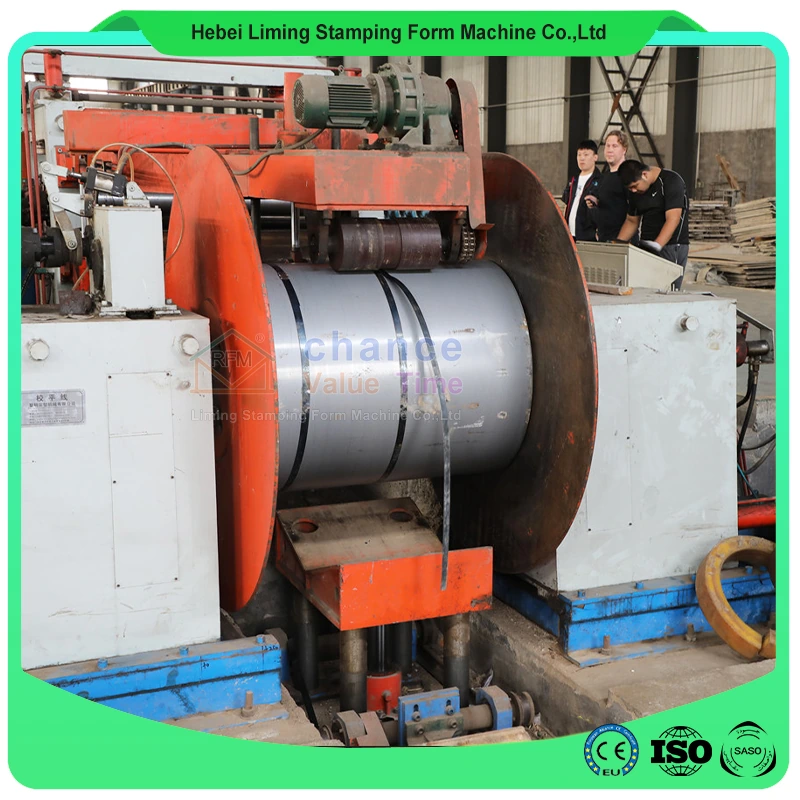
Ask for the proposed line scope in sequence. Decoiling, guiding, opening or leveling where required, slitting, scrap handling, tension control, recoiling and discharge should be named where included. Optional equipment should be separated so purchasing can compare equivalent boundaries.
Fit the line to the plant before the order
Provide a simple factory layout with columns, doors, crane coverage and available floor dimensions. Show the preferred material direction. Leave room for coil loading, finished coil removal, tooling storage, operator access and normal maintenance.
Confirm the local electrical supply and any utilities needed for the proposed system. Also describe who will operate the line and whether the team has prior slitting experience. These facts help frame commissioning and training discussions without assuming one service scope for every project.
Turn the RFQ into a trial plan
The same representative orders used for configuration should appear in the trial plan. Agree which coils and slit patterns will be run, what samples will be checked and how results will be recorded. Useful observations may include finished strip width, edge condition, winding condition, surface marks and the identity of samples taken at agreed points.
Keep any adjustments visible in the trial record. A selected coil produced after repeated tuning should not be documented as though it came from unchanged conditions. Agree on the inspection method and acceptance values for the slit products before the trial, then record the material, slit pattern and setup used for each checked sample.
Steel coil slitting machine RFQ checklist
Include the following items in the first technical enquiry:
- material families and grades, such as carbon steel, aluminum, stainless steel or copper where applicable;
- thickness by material family;
- incoming raw coil width, such as 1200 mm, 1250 mm or 1600 mm where applicable, plus inner diameter, outer diameter and weight;
- representative slit patterns and number of finished strips;
- finished strip widths and edge trim expectations;
- required finished coil diameter and maximum weight;
- normal reference speed of 0–30 m/min and any special speed requirement;
- edge, surface and winding requirements;
- whether opening or leveling is needed before longitudinal slitting;
- order mix and expected changeover frequency;
- factory layout, power supply, downstream use and proposed trial material.
Where a value is unknown, label it as open instead of filling the space with a guess. Hebei Liming can then identify which missing points affect configuration and which can be settled later.
FAQ
Is maximum coil width enough to request a quotation?
No. The quotation also needs material, thickness, raw coil width, coil weight, inner and outer diameter, slit patterns, finished coil requirements and handling conditions. These inputs describe the job more accurately than maximum width alone.
Should the RFQ include the number and width of finished strips?
Yes. The number of strips, each finished width and the edge trim arrangement define the slit pattern. Include several normal patterns and a demanding pattern so the proposed tooling and line scope can be reviewed against actual orders.
Can a general inspection plan be reused for every slitting line?
No. The project should define its own trial material, sample plan, measurements and acceptance values. Do not transfer tolerances or sample counts from unrelated machinery or products.
Send the coil schedule with the enquiry
A short, complete schedule is more valuable than a long request built around one maximum figure. Select several normal orders, add the demanding pattern and explain how the finished coils move into the next process.
Send the coil and slit-pattern schedule to Hebei Liming’s enquiry team so the steel coil slitting machine, line scope and trial conditions can be discussed against the actual workload.